Leymah Gbowee, the head of Monrovia’s Women in Peacebuilding Network, stands in front of a sign calling for peaceful elections in Liberia in 2017. Zoomdosso/AFP via GettyImages
COVID-19 is likely to disrupt ongoing peace processes, worsen existing conflicts and generate new conflicts. But it may also offer opportunities for ceasefires and peace agreements.
The measures taken to contain the spread of the virus are, unfortunately, also affecting the mobility of peacemakers, peacekeepers and peacebuilders.
At least 22 African countries are experiencing political violence. Countries like Nigeria, Cameroon, Somalia, Libya, South Sudan, and DR Congo are experiencing high intensity armed conflicts between armed opposition groups and national governments.
There are peacebuilding efforts in most of the countries that are currently experiencing armed conflict and that have recorded cases of COVID-19. These efforts variously involve the support of international donors, nongovernmental organisations and national governments.
The secretary-general of the United Nations recently called for a unilateral ceasefire in ongoing conflicts.
But achieving a multilateral ceasefire might be difficult. Some warring factions will seize the opportunity to gain an advantage. The challenges are immense. The pandemic could worsen the conflict situation and undermine ongoing peacebuilding efforts.
On the other hand disasters can transform conflict dynamics. Research shows that disasters such as COVID-19 can create opportunities for peace in conflict countries. For one, they can undermine the ability of conflict entrepreneurs to access conflict areas. This reduces incidents of violence.
They can also create the conditions necessary for advancing peacebuilding processes in local communities. To achieve this outcome peacebuilders need to engage with local actors.
The global response to COVID-19 in the African countries affected by conflict is hampering the movement of international and national peacebuilders. These professionals have been unable to travel to conflict zones. International organisations have placed movement restrictions on their staff. Many of them have returned to their home countries.
At the national level, restrictions have prevented people from congregating and limited their ability to travel.
Peacebuilding requires sustained efforts towards reconciliation and reintegration. Actors must address the impact of conflict and the causes of conflicts. This process often requires physical meetings and events that are designed to bring conflict actors together towards sustainable peace.
Retreating peacebuilding activities during this period portends a great danger for societies affected by violent conflicts. One likely consequence is that non-state armed groups will use the opportunity to expand their frontiers, thus undermining ongoing peace processes.
It also opens up the possibility of increased mortality in the context of violent conflicts. Hence, it is important that stakeholders adopt mechanisms that will sustain peacebuilding efforts in communities affected by violent conflicts during this pandemic.
Local actors that are embedded in communities can continue to work on sustaining peace processes even when professional peacebuilders are unable to gain access. For any peace process, what is important is that people keep communication open and sustained even during the pandemic.
And international peacebuilders can continue providing support to their local counterparts. This can be through funding to facilitate activities in local communities.
International peacebuilders can also provide remote mentoring and capacity building. There is technological capacity for peacebuilders to receive coaching in the most remote areas affected by conflict in Africa. International peacebuilders should also remain available to brainstorm with nationals when challenges are encountered.
Local peacebuilders can be enlisted to stop the spread of the pandemic through their existing networks and knowledge of community relations to coordinate preventive responses. These resources can also be used to reinforce the expertise of public health workers in local communities.
Local actors involved in peacebuilding already have experience translating complex messages into local languages. This skill is very relevant in the fight against the pandemic in communities.
Desired outcome
With the right information, local conflict actors can be persuaded to accept the UN’s call for a ceasefire. But this won’t happen unless local actors are involved in crafting the right messages.
Empowering local actors will not only sustain peace processes, but also contribute to the fight against the spread of COVID-19.
To sustain peace, we would need to find new ways of working, by meaningfully including national and local capacities for peace.
The virtual choir of Grace Baptist Church performs ‘I Am Thine,’ which was included in the April 19, 2020, online service from the Mount Vernon, New York, church. Video screengrab
Top officials of seven black Christian denominations have joined civil rights leaders in calling for people to stay home until it is safe in states whose governors are lifting shelter-in-place orders.
“We regard this pandemic as a grave threat to the health and life of our people, and as a threat to the integrity and vitality of the communities we are privileged to serve,” they wrote in a statement released Friday (April 24). “For these reasons, we encourage all Black churches and businesses to remain closed during this critical period.”
The signatories include leaders of the African Methodist Episcopal Church; African Methodist Episcopal Zion Church; Christian Methodist Episcopal Church; Church of God in Christ; National Baptist Convention of America, International, Inc.; National Baptist Convention, U.S.A. Inc.; and Progressive National Baptist Convention Inc.
Some of those denominations have tallied or been the subject of reports of COVID-19 deaths among their clergy and members.
“The denominations and independent churches represented in this statement, which comprise a combined membership of more than 25 million people and more than 30,000 congregations, intend to remain closed and to continue to worship virtually, with the same dedication and love that we brought to the church,” they added.
The denominational officials and faith leaders, including the Rev. W. Franklyn Richardson of the Conference of National Black Churches and the Rev. Al Sharpton of the National Action Network, joined presidents of the NAACP, the National Urban League and other groups as signatories.
They noted that an April 21 report by the federal Centers for Disease Control and Prevention stated that 20% of the COVID-19 deaths in the United States were of African Americans. In comparison, blacks constitute 13% of the U.S. population.
“Across the country, we see the same disproportionate impact,” they said. “Our families need us. Our communities need us. We must continue to telework wherever possible, and to tele-worship for however long it is necessary to do so.”
The letter comes in the same week the conservative law firm Liberty Counsel has organized a “ReOpen Church Sunday” initiative, encouraging clergy to begin in-person worship again on the weekend of May 3. That Sunday falls in the same week as the annual observance of the National Day of Prayer.
According to The Hill, some governors have never issued stay-at-home orders, others’ mandates are expiring within days, and still, others stated no end date.
Likewise, states have varied widely in their decision to have or not have religious exemptions in their orders about staying at home.
The black church officials and civil rights advocates said they understand some people may believe they need to be involved in public life. The leaders urged those who do to follow precautions about physical distancing and wearing masks.
“We do not take it lightly to encourage members of our communities to defy the orders of state governors,” they added. “But we are compelled by our faith, by our obligation as servants of God, and by our commitment as civil rights leaders, to speak life into our communities. Our sacred duty is to support and advance the life and health of Black people, families, and communities in our country.”
Staying busy, positive, and hopeful while you’re at home due to the COVID-19 coronavirus pandemic can help you maintain good mental and physical health.
Much of America is homebound in response to calls for limited travel and social distancing to help prevent the spread of the COVID-19 coronavirus. Even if you can’t get together with friends or enjoy a night at the movies, it’s important to stay physically and mentally active.
“We’re living in unusual times, and it can definitely be a challenge to adjust,” says Dr. Gerald Harmon, vice president of medical affairs at Tidelands Health. “But it’s important to take a step back and look for ways to adapt your lifestyle so that you can stay both physically and mentally well.”
Attitude is everything
Dr. Harmon says a good attitude is essential. Rather than focusing only on the negatives of the situation, try to look at it as an opportunity to refocus, reflect, and revisit old habits. Consider these ideas to keep your mind and body active:
Start a virtual book club. Exercise your mind’s eye by losing yourself in an e-book or audiobook, which can easily be downloaded to your tablet or smartphone. Better yet, create a virtual book club and video chat with friends to discuss what you’ve read.
Learn a foreign language. With travel restrictions forbidding international travel, embark instead on a journey around the world by studying and learning important phrases in a foreign language.
Try backyard birdwatching. Download a bird-watching app and find relaxation in your own backyard by seeing how many birds you can spot. Stay on the lookout while you go for your daily walk through the neighborhood.
Get (or stay) in shape. Exercising outdoors is great therapy. You can enjoy the fresh air and allow the sounds of nature, from singing birds to the wrestling of leaves, to soothe your soul. There’s also plenty of free exercise videos available for tablets and smartphones that require no equipment to achieve a satisfying workout.
Test your cooking skills. Now is a great time to revisit old family recipes and get to know your kitchen better by cooking your own meals. Family members and roommates can take turns making meals for each other.
Video chat with family. If you live alone, you can connect with children and grandchildren with ease thanks to video chatting. Keep your cell phone or tablet charged and check in often with family and friends. Consider making your own videos to share with loved ones so they can see your face and hear your voice when they’re feeling lonely.
Have a puzzle party. For a great way to help families stay occupied, pull out a massive puzzle, and work on it together at the dining room table.
Get crafty. To help you focus on something other than the coronavirus, pick up an old pastime like crocheting, pottery making, or painting. Even coloring books and paint-by-number canvases can help temper your anxieties and result in beautiful works of art that can lift your spirits.
Hike or bike local trails. Go for a hike or a bike ride on local trails (check to make sure they’re open and available for use before you leave home). Make sure to maintain a distance of at least six feet from others if you venture out.
Take on DIY projects. Tackle a home project you’ve been putting off such as cleaning out your closet or the junk drawer, pruning bushes and repotting plants, or redecorating a room in your home using stuff you’ve stored away in your garage or attic.
“Eventually, we will get through this,” Dr. Harmon says. “Try to take this time to focus on yourself and your family, and remember that the sacrifices you are making by following social distancing recommendations are helping to protect yourself, your family members, and our community.”
A leading figure of the Harlem Renaissance, the inspiration behind Lorraine Hansberry’s play “A Raisin in the Sun” and an uncompromising voice for social justice, Langston Hughes is heralded as one of America’s greatest poets.
It wasn’t always this way. During his career, Hughes was routinely harassed by his own government. And the nation’s literati, balking at his subversive politics, tended to overlook his work.
But the opposite was true abroad, in places like France, Nigeria and Cuba, where Hughes had legions of devoted readers who were some of the first to recognize the promise and power of the poet’s words. In my new book, “Langston Hughes: Critical Lives,” I trace Hughes’ budding international stardom, and how it clashed with the hostility he faced back home.
Building a fan base
Growing up in America, Hughes had experienced racism firsthand. As he matured as poet and writer, he started looking beyond America’s borders, curious to learn more about how racism impacted different cultures.
Between 1924 and his death in 1967, Hughes made trips to places as varied as Italy, Russia, England, Nigeria and Ghana.
During a visit to Cuba in 1930, Hughes met a young Cuban poet named Nicolás Guillén. Hughes had already successfully written dozens of poems inspired by the 12-bar structures, cadences, rhymes and subject matter of blues music. Over the course of several late-night dinners at Lolita’s restaurant in Havana, Hughes encouraged Guillén to do the same with his home country’s music.
Within days of Hughes’ departure, Guillén started writing poems making use of Cuba’s “son tradition,” a form of popular dance music. This was a key moment in the development of an artist who would go on to become Cuba’s national poet.
Hughes was also the only figure of the Harlem Renaissance who traveled to Africa. After several trips to the continent, he became determined to promote the work of his African peers – writers like Bloke Modisane and eventual Nobel Prize-winner Wole Soyinka. So in 1960, he edited his anthology “African Treasury,” which introduced many in the West to some of Africa’s greatest writers.
In countries like Nigeria, Hughes needed no introduction. In the 1940s, 1950s and 1960s, dozens of Hughes’ poems had appeared in the country’s newspapers and journals. After Nigeria elected Nnamdi Azikiwe, its first native governor-general, in 1960, Azikiwe concluded his inaugural by reciting Hughes’ poem “Youth.”
When Hughes returned to Ghana and Senegal later in the decade, he was greeted like a superstar. Scores of his admirers trailed him in the streets of Dakar, much in the way sports heroes are hounded by children for autographs.
By the 1960s, Hughes’ works were being translated into Russian, Italian, Swedish and Spanish. But the first scholarly study of his poetry appeared in France. Literary critic Jean Wagner’s 1963 book “Black Poets of the United States” highlighted the talents of Hughes as both a poet and activist. Devoting over 100 pages to Hughes, Wagner noted that African Americans would never “produce a more fiery bard” who was simultaneously “one of the community refusing to stand apart as an individual.”
As the first black writer in the United States to make his living solely by writing, Hughes ultimately galvanized scores of emerging writers and poets in Europe, Africa and South America. To them, Hughes represented a critical Western link to other people of color around the world. He was also an exemplar of the jazz and blues music they so revered. As a testament to Hughes’ popularity abroad, it was Venezuela – not the United States – that sought to nominate him for the Nobel Prize in Literature in 1960.
Making enemies at home
Back in America, Hughes certainly had his admirers, especially among the African American community. But most establishment figures – in politics, in the media and in law enforcement – viewed him as a menace.
As Hughes’ international fame grew, he was being denigrated as a subversive and a communist by his own government. Hughes had been under FBI surveillance since at least 1933, after he had traveled to Russia. Meanwhile his adamant calls for justice in the Scottsboro case of 1931 – when eight young black men were falsely accused of raping two white prostitutes – earned him the ire of FBI director J. Edgar Hoover. Hughes’ piercing critiques of capitalism didn’t help his cause, either. Hoover would go on to wage a personal vendetta against Hughes, building a 550-page file on him that highlighted poems like “Goodbye, Christ” as evidence of his communist sympathies.
Then, in 1953, Hughes was called to testify before Sen. Joseph McCarthy, who wanted to use Hughes’ previous support of communist causes and his supposedly subversive allegiances to target suspected “reds” in the State Department.
The man who was exalted by political leaders overseas, who found himself elbowing his way through throngs of adoring crowds abroad, was attacked as “un-American” by McCarthy’s Senate Subcommittee.
Poet and author Langston Hughes speaks before the McCarthy Committee in Washington, D.C. on March 26, 1953. AP Photo
Hughes was understandably conflicted about his native country, and he explored this ambivalence in poems such as “Let America Be America Again”:
    Let America be America again.
    Let it be the dream it used to be.
    Let it be the pioneer on the plain
    Seeking a home where he himself is free.

    (America never was America to me.)
That last line still resonates for many Americans – for those who have never known a golden age, nor tasted the nation’s promise of dreams, justice and equality for all.
How long, Hughes wondered in “Harlem,” would we have to wait? And what was the cost of kicking the can down the road?
  What happens to a dream deferred?

  Does it dry up
  like a raisin in the sun?
  Or fester like a sore—
  And then run?
  Does it stink like rotten meat?
  Or crust and sugar over—
  like a syrupy sweet?

  Maybe it just sags
  like a heavy load.

  Or does it explode?
Interestingly, Hughes had ended the first draft of this famous poem with the lines, “or does it atom-like explode / and leave deaths in its wake? Does it disappear / as might smoke somewhere?”
Writing on Aug. 7, 1948, the poet was keenly aware of what had happened only three years prior when nuclear bombs were dropped on Nagasaki and Hiroshima.
To me, this perfectly encapsulates Hughes’ international appeal. The poet sympathized with those who had felt the harshest wrath of American power and politics. His intended audience was never just his fellow Americans who were grappling with fear and anxiety; it was anyone who had suffered great and devastating loss – an anguish that knows no language or borders.
When I see celebrities interviewed, I often marvel at how they seem to have it so together. Their confidence radiates when they are “on.” It’s almost as if they are on another plane than us regular folk. But after watching a few episodes of the new docuseries “Behind Her Faith,” I found myself forgetting that the women sharing their intimate stories of disappointment, triumph, and faith with honesty and raw emotion are famous people.
“Behind Her Faith,” created by writer/director Paula Bryant-Ellis, features Essence Atkins(“Marlon,” “Ambitions”), Aisha Hinds (“Underground,” The Hate U Give), Niecy Nash(“Claws,” “When They See Us”) and Angelica Nwandu, founder of The Shade Room. The docuseries launched its first season with each woman in one of four installments airing on the Urban Movie Channel, a subscription streaming service dedicated to Black film and television from AMC Networks’ privately-owned subsidiary, RLJ Entertainment.
“You see the glamour, you see the red carpet, you see the television shows, and then you say, even if they have problems, oh, they’re rich. Oh, they’re successful. They can get through. No, they’re just like us. They feel pain, just like we do,” said Bryant-Ellis.
The Urban Movie Channel, which launched in 2018, is in growth mode as it works to expand its viewership. As support grows for Bryant-Ellis’ vision, she’ll expand her circle of stories in future seasons to include accomplished women of faith in entertainment, sports, music, business, politics, and ministry. Behind Her Faith is the first major foray into filmmaking for Bryant-Ellis, as she has held multiple leadership roles in banking and finance. She’s a graduate of the Massachusetts Institute of Technology (MIT) Sloan School of Management, has an MBA from the University of Phoenix, and also a BA in Accounting from Concordia University. It was her son, Jay Ellis, who encouraged her to make the move. He’s the executive producer of the show and you may recognize his name from the actor’s lead roles on HBO’s “Insecure” (Lawrence) and the horror film Escape Room (Jason).
“He [Jay] was the one that said, ‘Mom, I think you should get into entertainment.’ After I left corporate America, he said, ‘I think you should start checking into producing so that we can do projects together.’ And so that’s pretty much what I did. And then, from there, I went back to school and took classes, and the creativity started to kind of bubble up, and I had a chance to create this show,” said Bryant-Ellis, who studied filmmaking and producing at the New York Film Academy in New York and Los Angeles.
It was her love and passion for Christ that inspired Bryant-Ellis to do the series. She had been praying for guidance on what to do next and feeling a strong desire to create positive content that inspires, especially since she believes that women of color are not typically represented well on television.
“God had my heart at the time. He put this show in my spirit to do. I wanted to use women that we knew their faces, but we didn’t know their backstory. We get sound bites a lot of times through interviews, but there wasn’t a form where they could just sit and tell you about what their journey looked like and the challenges that they faced and how they have endured and then the importance of a relationship with God in their life. All the women were women that I prayed about. God made it possible for each one of them to bring their stories,” said Bryant-Ellis.
She has a strong relationship with God now, but Bryant-Ellis says it took a while for her to mature in her faith. She grew up in a Baptist church and accepted God into her life as a teen, desperate for a lifeline from the pain she experienced when her parents divorced.
“I was just in this broken place. My parents had divorced, and I was trying to figure this thing out. I was 13 at the time. By the time I’m 16, I’m still sitting in all this pain, and I don’t know what to do with it. Back then, they called it, ‘join the church.’ You had to join the church, well technically, that meant you were giving your life to Christ.'” shared Bryant-Ellis.
And she did. But the experience left her heartbroken because she thought her life would immediately be better, and it wasn’t. For her, life got worse before it got better.
“In that moment that we accept Christ, our life does change. But nobody tells you about walking out that journey and the importance of a relationship. It was a long time before I picked up the Bible. I was very angry, very broken. It was a long time before I prayed. And in my twenties, I got on my knees, and I told God, I said, ‘You know what? If I’m going to be saved, you’re going to have to do better, because I can’t do church. I want a relationship,'” explained Bryant-Ellis, who said from that moment on, she was on an “amazing” journey to find that intimacy with God. “If I call you father, I want to have the same conversations with you that I would with my father. I want to laugh with you. I want to cry with you. I want to come to you for advice,” she continued.
Over the years, she has gone back to attending church off and on and credits one former pastor for giving her a love of studying the Bible.
“I go to church to get my Word, and then I’m out of there. I go to church to get fed. But then I know the responsibility of growing in the Word — that onus is on me. I have to be active and learning the Word and sitting with God, spending that quiet time with him in my praise, in my worship. That’s my responsibility,” said Bryant-Ellis.
And that intimacy is at the core of her message to viewers. When you listen to each woman in the episodes, openly claiming her faith and stories, it’s clear that they all have an authentic relationship with God, and it’s a genuine part of how they live their lives.
“I feel so honored that God trusted me with these stories and honored that these women trusted me with their voice. I feel like a shepherd of their stories right now,” said Bryant-Ellis.
The Edna Martin Christian Center in Indianapolis is holding Zoom sessions for preschoolers in its child care ministry. PHOTO CREDIT: Provided by Alexandra Hall
It had been two weeks since Terri Anderson, a teacher at The Oaks Academy in Indianapolis, had seen her 19 prekindergarten students in person. But on a recent Friday, they met virtually for the first time on Google Hangouts. The result: a cacophony of 4- and 5-year-olds on unmuted microphones.
“It was the best sound I had heard since all this had happened,” she said.
As the COVID-19 pandemic has upended the educational system nationwide, even preschool has gone online. But school closures threaten to undo some of the progress that Indiana has made toward improving pre-K access for low-income families to help bridge critical early learning gaps.
Many pre-K classrooms have temporarily closed alongside K-12 schools to curb the spread of the coronavirus. Meanwhile, demand has waned at some Indiana child care centers as more families are keeping their children home. The loss of pre-K classrooms has consequences: First, education advocates fear that school closures will worsen the disparities for students across all grades who don’t have access to technology and whose families have fewer resources to support learning at home. Second, families could find themselves without child care as they continue to work during the pandemic in roles such as health care workers, grocery store clerks, delivery drivers, and custodians.
“One of the most important things children learn in a pre-K classroom is how to do school, how to behave with other children, how to self-regulate and be ready to learn,” said Maureen Weber, president and CEO of Early Learning Indiana, a nonprofit that provides and advocates for early education. “That’s one of the things that’s going to be harder for families to achieve independently.”
Because Indiana families have a lot of choices for where to go for preschool — districts, private schools, centers, homes, child care ministries — providers are tackling the challenge in different ways, both online and off-line.
At The Oaks, Anderson wanted the recent video meeting to be a joyful reunion for her pre-K class. She incorporated pieces of their daily routine, such as taking attendance with popsicle sticks that each had a student’s name. When she drew a student’s popsicle stick, she asked them to show the class a toy or something they had made at home, giving each a turn to speak “on the big screen.”
Anderson had them all hug their computers and give themselves hugs, too, wrapping their arms around their own shoulders.
“They need to be nurtured,” Anderson said. “They need a touch. They need a hug.”
Moving pre-K classrooms into the home also means teachers are supporting parents so they don’t feel stressed about their children “losing ground,” Anderson said. Teachers and instructional assistants regularly check in with individual students and families. The Oaks gives preschoolers 1-2 hours of learning each day, and more important than completing the work is instilling a sense of normalcy, she added. A lot of the key lessons are simple: Listen, follow directions, pay attention.
At first, parent Kelly McGary was worried when her son Sam’s preschool, Cooperative Play Academy on the city’s southside, closed its doors in early March. Sam had just learned to hold a pencil properly.
But now she’s less concerned after watching him video conference with his preschool class twice a week, and do engaging homework assignments, such as nature walks.
“I just have to put it in perspective. He’s 3½, he’ll be fine,” said McGary, a public health nurse. “Even if it lasts a few more months, we’re still interacting with him and providing for him. He has a safe place to play. I think he just misses his friends.”
At the Edna Martin Christian Center in Martindale-Brightwood, the approach to at-home learning has evolved over the last few weeks since the child care ministry temporarily closed its doors, said Alexandra Hall, director of early childhood education.
Teachers started by sending food home with students on the first day. Then, they started sharing learning resources. They gave students kits filled with art supplies, reusable writing worksheets, stories, and bubbles. Later, they decided they wanted to find a way to stay in touch with students in a dynamic, interactive way.
That’s how they started a series of 30-minute Zoom sessions throughout the day, mimicking a regular school routine.
“We figured if it works for adults, why wouldn’t it work with kids?” Hall said.
They hold virtual circle time and snack time. Families all gather for the video call with a healthy snack to show and share.
“That is what has just truly been a godsend during this time — to be able to look at people, even though you can’t touch them,” Hall said.
The online setting still allows teachers to be responsive to students. Just like in the classroom, “sometimes you have to throw your plan out the window,” Hall said — like when a student joined the video call in a superhero costume, prompting a show-and-tell that overshadowed the scheduled science lesson.
Even when e-learning isn’t as accessible, pre-K classrooms are finding ways to keep learning. For the five Indianapolis sites of St. Mary’s Child Center, where 93% of children come from low-income families, administrators are mostly focused on basic needs, such as directing families toward food resources.
Teachers are posting videos where they read stories, sing songs, or go on scavenger hunts. They’re encouraging families to find “teachable moments” but aren’t stressing academics.
“Children are such natural learners,” said Diane Pike, director of outreach and professional development. “If they are allowed to explore and communicate and ask questions and have that support at home, they’re going to be OK for kindergarten.”
Pregnant women in Tennessee, Arkansas and Mississippi have been calling nonstop to CHOICES Midwifery Practice in Memphis, but the center is booked.
The callers are terrified that they or their babies will contract the novel coronavirus if they deliver in hospitals. Some women live in rural areas far from hospitals and obstetrics units. The center’s clients are primarily black and other women of color.
“They’ve told us they’re going to risk it all and have an unassisted home birth,” said Nikia Grayson, a certified nurse midwife and director of perinatal services. “That’s very scary, and that’s what people are researching and seeing as a viable option.”
Many pregnant women are seeking out midwives to deliver their babies in homes or birthing centers rather than in hospitals, where they fear being exposed to the virus. But midwives and other maternal health experts say desperate women also are delivering without any medical assistance.
“It can go left real fast,” Grayson said.
Midwives across the country say they are stretched to accommodate additional deliveries because of the pandemic, while taking precautions to protect themselves and their clients. Midwives from Mississippi and Tennessee who deliver in homes are traveling to the rural areas around Memphis to help, Grayson said. But it’s dangerous to cross state lines without knowing where to go in an emergency.
The stakes are especially high for rural black women soon to give birth in Southern states. They have less access to health care providers and travel longer distances to care, while systemic racism and health care inequities put their lives at risk.
The coronavirus pandemic exposes a fragile health care system that already marginalized and traumatized pregnant black women, said Dr. Joia Crear-Perry, president of the National Birth Equity Collaborative.
“The intersectionality of being a black woman and that the rural South chose not to provide insurance coverage is a deadly combination for many,” Crear-Perry said.
In Mississippi, the state Department of Health should address the concerns of pregnant women and families and discourage unassisted home births, said Wengora Thompson, who manages the Jackson Safer Childbirth Experience, a project funded by Merck and the Kellogg Foundation.
Thompson said a local doctor told her that a family had attempted a recent home birth to avoid local hospitals. The baby needed resuscitation and is in intensive care.
“It’s important that they hear from some official body or some trusted source that this isn’t the best option,” Thompson said.
But even before this pandemic, some black women were reluctant to deliver their babies in hospitals, Grayson said. Experts point to systemic health care inequities and institutional racism.
Black women often delay prenatal care to avoid racist experiences with the health care system, and are more likely to experience racial discrimination, according to studies republished by the National Institutes of Health.
And when they express their concerns to medical professionals, they’re often not heard. Even tennis star Serena Williams had to demand a CT scan and blood thinner when she experienced shortness of breath following a cesarean section and feared she may have had a blood clot.
During the pandemic, hospitals such as the Kaiser Permanente Medical Group of Northern California are offering inductions to women near the end of their third trimester. The goal is to get healthy people out the door before hospitals are overwhelmed by a peak in coronavirus infections.
Advocates say it’s important for women to have choices, but also question whether women may feel pressured to induce pregnancy. They’re also concerned that an increase in inductions will lead to riskier births and premature infants.
Inductions don’t benefit all pregnant and birthing women, said Jamarah Amani, founder of the National Black Midwives Alliance. In a pandemic, some physicians take less time to explain a patient’s options, she said. Studies and first-person narratives underscore communication gaps, such as physicians spending less time with pregnant black women, dumbing down explanations and failing to fully answer questions.
“Once again,” Amani said, “we’re seeing a situation where the needs and rights of birthing people are being pushed to the side.”
Barriers to care
Among the Deep South states, only Louisiana expanded Medicaid under the Affordable Care Act to insure more low-income people. Many poor women have access to health insurance only when they are pregnant.
The U.S. maternal and infant mortality rates are higher than in most developed countries and are hitting black women the hardest.
Black women are two-to-three times more likely to die from causes related to pregnancy than white women, regardless of income or education. The disparity increases with the mother’s age.
Black women’s babies are twice as likely to die, especially black babies born in rural areas, according to the federal Centers for Disease Control and Prevention.
There is little public demographic data on midwives. But black midwives and advocates say there are few black midwives in the South, where restrictions on midwifery make it more difficult to practice.
Certified professional midwives, or CPMs, who deliver in homes, often are left out of health care systems and face legal barriers to practice with autonomy.
Unlike certified nurse midwives who attend nursing school, CPM training is in out-of-hospital settings. In some states, Medicaid reimbursement for CPMs is insufficient, while private insurance may not cover their services.
Despite the barriers, midwifery care is proven to reduce rates of unnecessary interventions and improve outcomes for moms and babies. Advocates such as Crear-Perry say some black women choose home births to avoid over-medicalized care. They also fear the medical system and its legacy of mistreating blacks.
Some advocates are concerned that the challenges plaguing black Americans can’t be addressed if leaders don’t acknowledge black socioeconomic disparities. A senior state health official in Mississippi recently told reporters he did not know why COVID-19 appears to be disproportionately affecting blacks and deferred to other officials to explain.
“In a state as seeped in structural racism as Mississippi, the fact that someone of that stature wasn’t able to communicate that effectively and said they didn’t know was really alarming,” said Felicia Brown-Williams, Mississippi state director for Planned Parenthood Southeast Advocates.
With lower COVID-19 testing rates in states with larger black and poor populations, blacks who couldn’t be admitted to hospitals or lacked access to care are dying outside of hospitals, Crear-Perry said.
“The next level of teasing out this data is counting the deaths that are happening in homes,” Crear-Perry said. “I’m afraid that when we start doing that, we’re going to start seeing some maternal deaths as well because people are not making it to the hospital.”
Local influencers
More black midwives could be part of the solution. Black midwives have long been beloved matriarchs in their communities. As local influencers, they encouraged breastfeeding, delivered public health messages and instilled confidence. But over the past century, black midwives have been whittled down to a handful.
A century ago, thousands of midwives practiced in several Southern states. They attended more than two-thirds of the African American births in Alabama, Arkansas, Florida, Georgia, Louisiana, Mississippi and South Carolina.
But state efforts to professionalize midwifery and training that began in the 1920s, and a push for more hospital births under a physician’s care, precipitated a steep decline in their ranks. Alongside racist tropes that characterized black midwives as ignorant, superstitious and dirty, they were blamed for high rates of infant and maternal mortality.
In the late 1940s, Mississippi began to retire elderly midwives while also making it difficult to obtain or renew midwifery permits. By 1975, 98% of babies were delivered in hospitals, and there were 259 registered lay midwives. By 1982, there were 13, according to “Protect the Mother and Baby: Mississippi Lay Midwives and Public Health.”
In the South, Mississippi, Georgia and North Carolina are among at least 15 states where CPMs have no path to licensure. Georgia CPMs lost their ability to legally practice after the state’s rules changed in 2015, but Republican state Rep. Karen Mathiak has introduced a bill to license and regulate CPMs.
A CPM has filed a federal lawsuit against the president of the Georgia Board of Nursing because it’s threatened her with fines for publicly identifying herself as a midwife. She says the restriction violates her First Amendment rights.
For the first time in more than 40 years, Alabama began issuing licenses to its CPMs last year.
However, certified nurse midwives like Grayson in Memphis typically practice in birthing centers or hospitals, although she also does home births. They are legally recognized in all 50 states.
Grayson says she is the only midwife and local provider in Memphis who does home or hospital births. Her clinic will open Memphis’ first birthing center in June and is hiring more nurse midwives to meet local interest.
Florida is a model for what’s possible in the South and across the country, said Amani, the National Black Midwives Alliance founder. Florida provides educational paths to licensure and requires Medicaid and private insurance to cover midwifery care.
Of 200 licensed midwives in Florida, about 15 are black, Amani said. Some states have few black midwives who may legally deliver outside of hospitals and in homes, and others have none, according to Amani and other advocates.
More black women would choose home births if it weren’t so hard to find black midwives, said Shafia Monroe, a black midwife and consultant who’s led national efforts to increase the number of midwives and doulas of color. Medical professionals often don’t educate pregnant women on their options for midwifery care.
“For black people around the country, the majority don’t know what midwives do, or they’re afraid,” Monroe said.
OB-GYNs tend not to like home births because it’s not a part of their training, said Crear-Perry, who’s also an OB-GYN. “All we see is the catastrophe.”
Crear-Perry and others would like to see a health care system that embraces the model of midwifery care, which includes home visits, checkups and other personal touches. They also want better integration with existing health care systems to keep women safe, especially during the coronavirus crisis.
“The capacity of the midwives that are trained is already strained,” said Jennie Joseph, a British-trained midwife and founder of a midwifery school and birthing center in Winter Garden, Florida. “We might want to consider physicians even delivering outside of hospitals to maintain that safety for the mothers.”
This article first appeared on Mississippi Today and is republished here under a Creative Commons license.
Most likely you’ve viewed numerous commercials advising the need to start retirement planning as early as possible so that you can live comfortably or to care for your needs in the golden years. It’s an attractive prospect for aging millennials. No more long commutes to work. No more hassles dealing with uncooperative people or someone else telling you what to do all the time. No more reminding subordinates of approaching deadlines. It means you can finally do nothing but kick back and enjoy life and live it up. However, there’s something the advertisers don’t tell you — God designed you to work before sin entered the world and to find meaning in work throughout eternity. And, contrary to what some believe, work is not a curse but a gift to us. Granted most, if not all of us, will lose vitality as we age in this fallen world or lose our health altogether. But if God designed us for work before the fall, he must have wanted us to find meaning in it. So, what should my attitude be regarding career and retirement?
Spiritual Attitude Regarding Work & Retirement
Authors Jinkook Lee and James P. Smith (2009) address the subject of retirement in an article entitled Work, Retirement, and Depression. Their research indicates that retirement is not always what it appears. In some instances, retirees experience a sense of depression because they no longer interact with their former peers in the workplace. And because employers look for younger employees with newer skills and smaller salaries, it often becomes challenging for these older workers to maintain a presence in the workforce. This is, however, in contrast to older workers who find satisfaction in a hobby or alternate line of work suitable for their age. Some continue working in a company beyond retirement years due to the nature of the job, such as being an insurance salesman or educator.
Elizabeth White, author of “55, Underemployed, and Faking Normal: Your Guide to a Better Life”
Now you may be thinking, “Okay! That’s well and good. But what does that have to do with me? I’m putting away for retirement. What else is there?” I’m glad you asked. As a believer in the Lord Jesus Christ, we know that because we are made in God’s image our lives have meaning and purpose when we walk in His will. Scripture says, “For in Him we live and move and have our being” (Acts 17:28). My question is have you and I considered work plans that involve being fully engaged in some form of work beyond retirement? In other words, are you developing a Christo-centric mindset that allows you to develop the right spiritual attitude to make satisfying and essential career transitions?
Why is this significant? A few things come to mind. You may have noticed the world continues to change at a torrid pace, which means those skills you acquired through all of your hard work is at risk of becoming obsolete very fast. And so your journey to retirement may be significantly challenged due to resource drain from acquiring new skills. This, in turn, may require you to work longer than expected and most likely have to adapt to newer and more expensive realities. It appears that the challenge facing a new generation of Christians is can they maintain an eternal perspective regarding work, adapt to a changing society, and develop adequate retirement funds without hoarding.
Doing Lifelong Purposeful Work
I grew up in a struggling African American neighborhood in Little Rock, AR, watching men and women of color working as janitors, cooks, handymen, and bus drivers. No one talked to me about my career aspirations in a significant way. I don’t know where I got the idea, but I just knew I wanted to be an artist or a photographer. It was nothing for me to lose myself for hours in a drawing project; however, I could never muster up enough money to pursue the photography dream.
When I became a Christian, my dreams and pursuits took a detour as I yearned to find a purpose in what I was doing. I took up engineering and architectural drafting in high school and then a year in college. I was surprised when I landed a job with a small architectural and engineering firm. The experience was rewarding, but it didn’t fulfill my drive for meaning and purpose. After a year-long battle with cancer, my mother went home to be with the Lord.
I left the firm and decided to attend Calvary Bible College in Kansas City, MO in hopes of finding answers to what God wanted me to do. For five years, I trained as a pastor and radio broadcaster. My “purpose” didn’t reveal itself until I was appointed news director of a small radio station in Atlanta for Moody Radio. The station was part of a larger network of several around the U.S., and I discovered my love for urban outreach. It was the purpose I had been searching for. Through years of trials and challenges, I earned an MBA and a Doctor of Business Administration.
Looking back on my life and calling in Christ, I feel this deep sense of loss and regret that I discovered a deeper purpose later in life. I sense that growing up in a single parent household without the exposure to academic mentors and professionals prevented me from awakening from pursuing amazing opportunities and reaching my God-given potential earlier. Yet, all along the way, I have maintained an embedded desire to do something significant and purposeful. In a very real sense, the Lord has graciously granted me my childhood dream by transforming me into an artist and photographer with a different kind of canvas in which I utilize graphics, communication, and business research/analysis to illustrate the path to a better way of life for others.
Spiritual & Psychological Impact of Working Purposefully
In my estimation, God is the supreme master craftsman who has designed and wired humanity to live with purpose. A team of educational psychology researchers at the University of Louisville, KY — Kosine, Steger, and Duncan — seem to have a pretty good handle on the subject from a scientific perspective. In their research, The Purpose-Centered Career Development: A Strengths-Based Approach to Finding Meaning in Careers, the authors found that people who view work as meaningful are more satisfied and more committed employees. Their findings seem to dovetail what the Word of God talks about regarding the principle of living with purpose.
Essentially, developing a God-shaped mind to work with purpose is usually a work in progress that takes effort and intentionality. It means we become followers of Christ who creatively exercise our minds to filter career and life plans through our relationship with Christ. It means we need to take into account our natural bent and allow the Lord to shape and mold what we’ve come to know and understand about ourselves. It’s not easy letting go and letting Him rearrange things in our lives. Developing a God-shaped mind to work with purpose means we adopt principles of design thinking, which is simply making sure our career passions and goals align with all that He is and all that we are in Him. Even though you may feel a sense of regret for missed opportunities like I sometimes do, I’ve come to realize that so many are insignificant and I am what I am today because of the Lord was busy shaping and molding me through my circumstances.
References
Kosine, N. R., PhD., Steger, M. F., PhD., & Duncan, S., Ph.D. (2008). Purpose-centered career development: A strengths-based approach to finding meaning and purpose in careers. Professional School Counseling, 12(2), 133-136. Retrieved from http://journals.sagepub.com/home/pcx
Lee, J., & Smith, J. P. (2009). Work, retirement, and depression. Journal of Population Ageing, 2(1-2), 57-71. doi:10.1007/s12062-010-9018-0
The Rev. Frank Williams has been so busy leading two black churches in the New York borough of the Bronx that he hadn’t really considered the full extent of COVID-19’s impact on his congregation, his family and his community.
But when asked, the Southern Baptist pastor of two churches, each with more than 200 members, realized after four weeks the list was long:
The Saturday before Easter, a beloved deacon — a decades-long friend who had been the property manager, the men’s ministry leader and the person who ran the van ministry picking up seniors for Bronx Baptist Church — died from complications related to COVID-19.
The Rev. Frank Williams pastors two black churches in the Bronx. Courtesy photo
Williams’ wife, a hospital residency coordinator, and his three children, all under the age of 12, have recovered from COVID-19 and he preached his first online sermons from the Psalms while quarantined.
The 47-year-old pastor helped the staff of Wake-Eden Community Baptist Church’s elementary school shift to remote learning and, as the need for food in the nearby community increased, worked to provide families with food that previously would have been prepared for their children at a church day care.
“The impact is very real for us, not just here in New York, but very real for us as a congregation,” said Williams, a St. Kitts native whose churches include black Americans and immigrants from Africa and the Caribbean.
Across the country, black clergy say the coronavirus is touching — and sometimes taking — the faithful who until a month ago were accustomed to meeting weekly in their pews. Some are mourning losses in the highest echelons of their denomination. Others are counting the dead, sick and unemployed.
And some African American pastors are joining forces to demand the Trump administration and congressional leaders take actions ranging from setting up testing sites in black and poor communities to providing masks to low-wage essential workers, prisoners and people living in homeless shelters.
The federal Centers for Disease Control and Prevention recently released a March report that showed 33% of hospitalized patients in a 14-state study were African American; comparatively, blacks constitute 13% of the U.S. population.
The Rev. Jessica Ingram and Bishop Gregory Ingram. Courtesy photo
At least one historic black denomination has started a preliminary tally of the toll of COVID-19.
Bishop Gregory Ingram leads the African Methodist Episcopal Church’s First Episcopal District, which includes the hard-hit areas of New York, and asked presiding elders within it to report what they knew about members’ health and economic statuses. A Wednesday (April 15) report shows that throughout the district, which also includes churches in states such as New Jersey and Delaware, 48 members have died, 258 have been infected and 1,913 have become unemployed as a result of COVID-19.
“I had one church that lost three members in one day,” Ingram said, referring to a congregation in Freeport, Long Island.
Another of the deceased from the AME denomination is Yonkers pastor Scott Elijah, who died in late March. He was remembered not only by his small church but by Local 100 of the Transport Workers Union, which recalled his work with NYC Transit in a “Lost to Coronavirus” listing: “The entire Track Division is in mourning.”
Pastor Scott Elijah from Yonkers, New York. Photo courtesy of TWU Local 100
Ingram and his wife, the Rev. Jessica Ingram, have been praying on 6 a.m. daily calls with members of their district and following up by phone with church members who have lost loved ones to COVID-19.
“This is new territory for us,” said his wife, who as the episcopal supervisor for the district has been co-hosting Zoom meetings with leaders among the young adults, laity and pastors in the district. The training and study sessions have centered on topics ranging from the “new landscape of the church” to health disparities. “And we don’t have answers, so basically I just express my prayers for them and listen and let them know that we are here for them.”
Church of God in Christ Presiding Bishop Charles E. Blake Sr. Photo courtesy of COGIC-PR
“The loss of such a respected visionary leader cannot be verbally expressed,” said COGIC Presiding Bishop Charles Blake in a video announcement that did not specify Brooks’ or others’ cause of death. “I know that the death of Michigan Bishop Brooks, Nathaniel Wells and so many others has caused great concern and great pain throughout the church, concern for our leaders and concern for the future of the church.”
After noting that he and his family were well, Blake spoke of divine pledges and the need to lean on God.
“At this challenging time, I want you to remember that God has promised that the gates of hell shall not prevail against his church,” he said in the announcement on the homepage of COGIC’s website. “And I’m absolutely confident that God is going to bring us through this tough time together. We as people of faith must look to God and to the word of God as we have in challenging times past for hope and for encouragement.”
At a video news conference hosted Wednesday by the Samuel DeWitt Proctor Conference and Repairers of the Breach, black clergy called on leaders at the White House and in Congress to provide more resources to African Americans and to focus more on humanity than the economy.
“Black people are more likely to be essential workers, keeping us safe and fed,” said the Rev. William Barber II, president of Repairers of the Breach. “But these are the very people the stimulus bill did not provide (with) the essentials of health care, living wages or even guarantee that no water would be shut off. While corporations in less than three weeks got $2.5 trillion.”
Clergy on the call spoke of praying over the phone with health care workers in their congregations who lack protective equipment and people who can’t pay their rent.
“There is no sheltering in place when there is no shelter,” said Bishop Yvette Flunder, a San Francisco preacher affiliated with the Metropolitan Community Churches and who oversees a ministry site that provides food, medical and housing case management services.
The Rev. Traci Blackmon, a justice executive minister for the United Church of Christ and leader of a church north of St. Louis, said her congregation includes bus drivers, grocery workers and mail carriers. She said five of about 80 congregants tested positive for COVID-19 and three went to the hospital multiple times before they could get tested, thus exposing their households in the meantime.
The Rev. Frederick Haynes III. Photo by Jack Akana Jr.
“I pastor people who are now seeking food for their children and for their families because those food services have had to be suspended because of the deaths of two bus drivers who died from COVID-19,” she said.
The Rev. Frederick Haynes III, pastor of Friendship-West Baptist Church in Dallas, opened Wednesday’s videoconference with an “appeal to those in power on behalf of communities in pain and in grief.” In a separate interview, he noted that black community leaders who have been concerned about environmental justice and health disparities will now have to see what more the black church can do.
“There are those of us who have been fighting for that and now we are upgrading our fight because we are seeing that this country has proven that it does not have a desire to protect us,” he said.
News reports have indicated other examples of how the coronavirus has ended the lives of longtime churchgoers and clergy from Louisiana to Maryland to New York City’s Harlem borough. A Virginia pastor who claimed “God is larger” than the coronavirus succumbed to it, his church announced.
Clergy tasked with memorializing people who have died, often unexpectedly, say the coronavirus has prompted uncharacteristic changes in funeral and burial traditions.
The Rev. Adolphus Lacey, pastor of Bethany Baptist Church in Brooklyn, said Tuesday that his 900-member congregation has had three confirmed COVID-19 deaths. He officiated at two funerals the day before, one at a Brooklyn funeral home and one an hour-and-45-minute drive away in New Jersey.
Though familiar with the rites of death, Lacey said wearing masks, gloves and keeping socially distant has made the moments of farewell even more difficult.
One funeral, for a popular usher, was carried out on Zoom and so many wanted to participate, some never got past the virtual waiting room.
Bronx Baptist Church in New York. Courtesy photo
“The sad part, I said, he was at everybody else’s funeral but when it came to his funeral, nobody could be there but just his family,” said Lacey, whose church is affiliated with the Progressive National Baptist Convention Inc. and the National Baptist Convention U.S.A. Inc.
From his New York borough north of Lacey’s, Williams spoke of his longtime faith helping him cope with the sadness and hang on to hope.
“There are always people who experience loss and that’s the reality of grief,” said Williams. “We are experiencing that in the loss of our deacon but we are still praying for God’s preservation. And that really comes from Psalm 121, where it says ‘I will preserve you from all evil. I will preserve your soul.’”
Last fall, I planted bulbs in the front of our house. Daffodils, lilies, tulips, crocuses, you name it. I went a little crazy because it felt like a junior high science experiment and I wondered if it’d work. If it did, I knew that by spring I’d be seeing petals.
For urban types like me, our gardening experience is limited to a few window boxes from community block parties. So I consider it downright amazing to bury one thing in the ground and have it emerge months later something altogether different. It seems an impossible feat: in spite of concrete, asphalt and broken beer bottles, flowers with colors as bright as any New York taxi can burst forth.
I’m convinced we need the power of nature, of art and color and story, to move beyond existing and enter that place where we live fully, or at least, well. We do need words that spring forth from flowerbeds, that speak of newness and beauty and hope all wrapped up in one. If nothing else, we need the colors and fragrances of a changing season like spring to soften the concrete struggles around us. They keep us going. They inspire.
That’s the nature of resurrection.
To be sure, this undercurrent of the Christian life, this back-story of every story we encounter — death, resurrection, transformation — runs deep in our collective soul. It is the theme of more songs and films, paintings and novels, missions and centers than any other in the history of art (which is the history of humanity). We cheer for the underdog on the screen who conquers each obstacle set in her path; we marvel at the painting that stirs some feeling we’d forgotten we had. We turn the dial, change the channel or visit another creative ministry until we connect to a song or an image that draws us to a new place, a new perspective, a new way to press on.
We’re wired to hope. To look forward, not backward. We want to believe the impossible. Why? My guess is we know there is more to this earthy existence.
Thank God there is.
After Jesus died, he went for walks on the beach. After he spent three days buried in the soil of death, he cooked breakfast for a few friends. He chatted and lingered on sidewalks and in gardens, telling stories, holding hands, eating bread. Sure, he lived well before he died. Admirably. Heroically. Boldly. But after he died — that is, after his lungs collapsed and his heart stopped — he spent the next month and a half strolling through the Middle East; 40 full days of handing back hope to women who’d lost it, reminding men of the truth of scripture, encouraging hundreds of friends that there was indeed more to this world than what they saw each day as the sun came up.
Yes, that was some living.
And those days on earth after his execution were apparently so full, so exciting and rich, that John says he couldn’t record them all in his Gospel account (John 20:30, 31). Maybe the Risen Christ drew pictures in the sand; maybe he sang hymns with his friends. Maybe he picked figs or went fishing or danced jigs. Whatever else he did in his resurrected life — apart from the stories we do have — history testifies to the reality that he gave us plenty to keep reveling in the wonders of living.
To keep planting bulbs and watching for petals.
There are the stories, of course, from the Gospel narratives about his earthly ministry before death. But we should know, too, that there are other stories from the life of our Risen Lord. They are equally true stories and equally reflective of the magic — or miracle — of what happens in the garden of a human heart when the Person of God in Jesus appears.
After Jesus died, he spent what I call “very-much-alive-time” with utterly desperate friends. He walked with them (Luke 24:15), ate with them (Luke 24:41-43), comforted them (Matt. 28:9-10), taught them (Luke 24:27). He spent so much time with them, in fact, that the stories of their lives changed history. His death and resurrection planted in them new life.
And what happened to them also happened to others, and others beyond them. It still does. Miracle stories. Impossible new beginnings. Spring fragrances.
Bright daffodils that once were only hard dull bulbs. A desperate faith that blossoms into hope all because a Holy Presence dug through the soil to make a garden.
April 15, 2020 marks 60 years since the founding of the Student Nonviolent Coordinating Committee, perhaps better known as SNCC, and usually pronounced as “snick.” SNCC became one of the most important organizations to engage in grassroots organizing during the modern civil rights movement and radically transformed youth culture during the decade. Jelani Favors, an associate professor of history and author of a book on how historically black colleges and universities ushered in a new era of activism and leadership, discusses SNCC’s legacy and what lessons it can offer today’s activists.
What role did SNCC play in the civil rights movement?
The founding of SNCC in April 1960 represented an important paradigm shift within the modern civil rights movement. SNCC encouraged black youth to defiantly enter spaces that they had been told to avoid all of their lives. The founding in 1960 resulted in a wave of SNCC activists being sent into the most hostile environments to register voters and mobilize African Americans for change. In doing so, SNCC ushered in the direct action phase of the movement.
Previous generations of activists had embraced lawsuits, such as the 1944 Smith v. Allwright against racial discrimination in voting, and the 1954 Brown v. Board of Education case against racial segregation in public schools. Previous generations also embraced non-direct protest tactics, such as boycotts, to bring slow change. But the sit-ins – popularized by black college students who would later form SNCC – placed black bodies on the line in ways that other tactics had not. They clogged “five and dime” stores across the South, effectively shutting them down, dramatizing the movement for black liberation as the entire world looked on through television and media coverage.
Black youth courageously courted the danger that often accompanied breaking the color line in the racially segregated South. Their actions resulted in violent clashes that fully displayed the immorality of white segregationists and simultaneously captured the nobility and courage of black youth. Perhaps most importantly, SNCC radically transformed youth culture in America. The organization took a generation of youth that Time magazine had previously labeled in 1951 as the “silent generation,” and ushered in a decade – the 1960s – that would be widely characterized and defined by the militancy and dissent of young Americans.
How did historically black colleges and universities help form SNCC and its agenda?
Black colleges served as the incubators for this militancy. For generations, historically black colleges and universities – also known as HBCUs – exposed students to a “second curriculum” that was defined by race consciousness, idealism and cultural nationalism. These concepts not only blunted the toxic effects of white supremacy, but they also empowered youth and deliberately fitted them with a mission to serve as change agents within their respective communities and professional fields. It was not happenstance that the origins of SNCC were rooted within the crucial intellectual and social spaces that were carved out within HBCUs.
The overwhelming majority of students who convened in Raleigh, North Carolina, on April 15, 1960, were from southern black colleges where the sit-ins had unfolded. And it was also no mistake that they met at Shaw University, an HBCU located in Raleigh. After all, the woman who had the vision to bring those students together – Ella Baker – was a 1927 graduate of Shaw.
For generations, black college alumni like Baker worked within religious institutions, civil rights organizations, labor unions and special interests groups. Their work within these spaces was largely informed by the “second curriculum” they had been exposed to as HBCU students. SNCC was therefore part of a long tradition of radicalism that was cultivated and produced within black colleges. This exposure equipped them with the necessary intellectual and political tools they would use to take on white supremacy and Jim Crow – the system of legalized segregation in the South.
What is SNCC’s legacy?
SNCC had a relatively short lifespan compared to other civil rights organizations. By the end of the decade their operations were defunct. Much of this was due to both external and internal pressures. Nevertheless, SNCC distinguished itself as “the most powerful energy machine” for the freedom struggle. I argue that SNCC was the most important and effective civil rights organization of the 1960s.
Unlike most other organizations, SNCC eschewed “top-down” operations that fostered elitism and “helicopter” tactics in which organizers would swoop in to inspire local folks and then leave them to manage local struggles on their own. SNCC’s objectives were completely opposite. They entered into the most dangerous, racially hostile and violent regions of the country, such as Albany, Georgia, the Delta region of Mississippi, and Lowndes County, Alabama. Once there, they set up operations that listened to and empowered local people, such as Fannie Lou Hamer, Amzie Moore, Unita Blackwell and countless others.
The relationship between SNCC and local people was reciprocal. SNCC activists learned and lived among the black proletariat – sharecroppers, farmers and day laborers. These people’s wisdom, shrewdness and practical knowledge of how to survive and navigate the worst of the Jim Crow South proved invaluable as SNCC took the fight for black liberation into the rural communities and remote areas of the South. Their blueprint became the template for local organizing for the Black Power Movement and beyond. Perhaps most importantly, their actions played a crucial role in expanding the ballot to millions of Americans who had been marginalized by racist policies and violence.
What lessons can today’s student activists learn from SNCC?
Both SNCC’s victories and defeats are very informative on the history of black social movements. Internal debates are both necessary and healthy for activist organizations. However, by 1964 SNCC’s ability to function as a cohesive unit was under serious threat. Disagreements concerning the infusion of young white activists in the organization and field operations, arguments concerning the use of non-violence as a tactic, and debate over other competing ideological tenets, such as Marxism and Black Nationalism, greatly impaired the organization’s ability to keep a unified front.
Perhaps most challenging were the external threats to SNCC’s existence. The potency of SNCC drew the attention of federal and state agencies that wanted to curb its influence and power. SNCC activists were constantly under surveillance. They lived their lives under the looming shadow of intimidation from law enforcement and the threat of being infiltrated. Today’s student activists can and should be wary of arguments that are unproductive and those who seek to derail their organizations with their own toxic agendas.
In spite of these challenges, SNCC presented a model that empowered local communities and radically transformed American democracy. By listening to and learning from aggrieved populations and empowering local folks to carry out their own agendas, today’s student activists can extend the radical tradition established by SNCC.
We’ve seen the local and national news and, like you, our timelines and newsfeeds are filled with sad videos. However, it is important that we keep in mind that there is indeed light at the end of the tunnel. And even when times get hard, it is important to remember that God is always in control. So, with that being said, our staff has provided some brief words of encouragement that we have found to be helpful during difficult times. Stay strong!
1. Things are never as bad as they seem.
2. Let every challenge make you better, not bitter.
3. Be patient.
3. As long as there’s breath in your body, there’s still hope.
4. God’s got this!
5. It’s o.k. to cry. Just remember that God will wipe away our tears in the midst of our pain.
One of the gravest mistakes of the tradition of faith that I walk and love is the valorization of the violence of the cross, mixed with a shallow celebration of the heroism of the spectacle. It makes many of us inordinately emphasize sacrifice as negation, asceticism as an idolatrous form of faith. This often leads us ironically to hunger to be recognized for our sacrifice. When we are not…it leads destructively to resentment, to vicious forms of passive-aggressiveness that masquerade as “help” but are really desperate measures to punish and control. Christians, I believe, are the worst when it comes to this.
The cross can be of great help here; but, it must be preached and taught properly. We need our greatest preachers and theologians to reflect on suffering and violence (overt and emotional forms) in ways that are life-giving and not “pornographic”—by this I mean ways that excite us deliciously but shallowly; stimulating us without building relationship; encouraging privatistic and consumerist spirituality: in a word, pornographic. Yes, pornographic violence because of what is hidden, the processes and instruments of the humiliation that serves us. We cover the most probable nakedness of Jesus on the cross—always! Why? It’s easier to celebrate a Disney-ized view of good and evil than to grapple with the self-critical reality that the cross actually represents.
Jesus is not a victim of history or theology. He is an agent of the reconciliation and the wholeness that deep change makes possible. Sacrifice is not an end. Rather, the giving of one’s self is a grace. If self-giving leads to emptiness and “crooked-twig” abusiveness it is not a grace: it is faith misguided, faith misused.
How does the cross teach us the limits of our own self-sacrificing? I am not entirely certain. I am still grappling with the centrality of violence in this spectacle…but I am certain that we do not need to be Jesus, but simply like him. I am sure that our crosses are specific to our fears and our callings; sure that our crosses are not an end in and of themselves. I am confident that healthy sacrifice does not require acknowledgement. Healthy sacrifice, instead, is intrinsically valuable for us as well as those we seek to serve. We each have a cross, a rightful one—not Golgotha’s, but our own. When we face our deepest fears we achieve a victory so deep that it inspires the grace we need to forgive, to endure, and to thrive without resentment or regret: wholeheartedly.
The light of the cross shines within us; the most truly heroic things we do are often small and insignificant to most people but work transformation in our lives and the lives of others. I am sure that pain is involved, but not destruction and that on the other side of real sacrifice is the negation of fear’s powers over us.
I am coming to the realization that some of us sacrifice too much. Some of us are asked to bear the costs for whole families, whole communities, and whole systems. This pressure misshapes us, often making us practitioners of abuse ourselves: self-abuse, unfairness, quiet, destructive, and often secret forms of resentment-driven despair—even rage—almost certainly rage in us or those we love the wrong way.
The cross of Jesus seeks to end the cycle of violence, the curse of fear and hatred. Sometimes our cross is facing and ending our victimhood. Our cross might be the pain and sadness we must face to end our own willingness to be used by others. Our cross could be facing own need to be thought of as good, right, helpful, noble, useful, or nice; to be thought of as the peacemaker, the good son, the good daughter, the good wife, the good friend. Our cross may entail putting an end to crosses themselves—in our life and in the lives of others we sentence to the isolation and pain of our pettiness. Jesus dies once and for all, for us the living, a living sacrifice.
It is hard to see this on “Good Friday,” but it is certainly there proleptically. In Jesus’s actions through the Passion we are somehow freed from the bondage of sacrifice systems that purport to free us but perniciously feed on us. The victory of the Cross is the victory of over fear; the victory over the sting of death; the victory that stalks every vengeance-driven tale or politics or religion; the victory over triumph shallowly understood. We are more than conquerors.
In this way the cross can free us from the need to win that often attends sacrifice for sacrifice sake and the ultimately corrosive resentment and passive aggression that attends such “victories.” Jesus frees us from this game with His cross: Once and for all.
Our faith is often in need of reformation, individually and collectively. The cross does this work forever. Every Easter we are asked to encounter these ironies and to encounter this challenge as a form of renewal. And we do not undertake this work alone, for the Holy Spirit—who comes at Pentecost—augments and undergirds our strength.
WORD 3: Pastor Tajuan Kyles, Ebenezer A.M.E. Zion Church, Waxhaw, North Carolina
Looking for a dynamic way to get the Word this Easter weekend? Check out The 7 Last Words of Christ, featuring well-known pastors you love from all over the country, including Rev. Dr. William Curtis, BishopSir. Walter Mack, Dr. Frank Thomas, Pastor Tajuan Kyles, Rev. Dr. Preston R. Winfrey, Bishop Rudolph W. McKissick, Rev. Dr. Cynthia Hale, Bishop Aaron Lackey, Rev. Dr. Howard John Wesley, Dr. D. Darrell Griffin, Bishop C. Guy Robinson.
Hope can erode when we perceive threats to our way of life, and these days, plenty are out there. As we age, we may struggle with a tragic loss or chronic disease. As we watch the news, we see our political system polarized, hopelessly locked in chaos. The coronavirus spreads wider daily; U.S. markets signaled a lack of hope with a Dow Jones free fall. Losing hope sometimes leads to suicide.
When there is no hope – when people cannot picture a desired end to their struggles – they lose the motivation to endure. As professor emeritus at Virginia Commonwealth University, I’ve studied positive psychology, forgiveness, wellness and the science of hope for more than 40 years. My website offers free resources and tools to help its readers live a more hopeful life.
What is hope?
First, hope is not Pollyannaish optimism – the assumption that a positive outcome is inevitable. Instead, hope is a motivation to persevere toward a goal or end state, even if we’re skeptical that a positive outcome is likely. Psychologists tell us hope involves activity, a can-do attitude and a belief that we have a pathway to our desired outcome. Hope is the willpower to change and the way-power to bring about that change.
With teens and with young or middle-aged adults, hope is a bit easier. But for older adults, it’s a bit harder. Aging often means running up against obstacles that appear unyielding – like recurring health or financial or family issues that just don’t seem to go away. Hope for older adults has to be “sticky,” persevering, a “mature hope.”
Now the good news: this study, from Harvard’s “Human Flourishing Program,” recently published. Researchers examined the impact of hope on nearly 13,000 people with an average age of 66. They found those with more hope throughout their lives had better physical health, better health behaviors, better social support and a longer life. Hope also led to fewer chronic health problems, less depression, less anxiety and a lower risk of cancer.
So if maintaining hope in the long run is so good for us, how do we increase it? Or build hope if it’s MIA? Here are my four suggestions:
Attend a motivational speech – or watch, read or listen to one online, through YouTube, a blog or podcast. That increases hope, although usually the fix is short-lived. How can you build longer-term hope?
Engage with a religious or spiritual community. This has worked for millennia. Amidst a community of like believers, people have drawn strength, found peace and experienced the elevation of the human spirit, just by knowing there is something or someone much larger than them.
Forgive. Participating in a forgiveness group, or completing a forgiveness do-it-yourself workbook, builds hope, say scientists. It also reduces depression and anxiety, and increases (perhaps this is obvious) your capacity to forgive. That’s true even with long-held grudges. I’ve personally found that successfully forgiving someone provides a sense of both the willpower and way-power to change.
Choose a “hero of hope.” Some have changed history: Nelson Mandela endured 27 years of imprisonment yet persevered to build a new nation. Franklin Delano Roosevelt brought hope to millions for a decade during the Great Depression. Ronald Reagan brought hope to a world that seemed forever mired in the Cold War. From his fourth State of the Union address: “Tonight, I’ve spoken of great plans and great dreams. They’re dreams we can make come true. Two hundred years of American history should have taught us that nothing is impossible.”
Hope changes systems that seem stuck. Katherine Johnson, the black mathematician whose critical role in the early days of NASA and the space race was featured in the movie “Hidden Figures,” recently died at age 101. The movie (and the book on which it was based) brought to light her persistence against a system that seemed forever stuck. Bryan Stevenson, who directs the Equal Justice Initiative, and the subject of the movie “Just Mercy,” has successfully fought to help those wrongly convicted or incompetently defended to get off death row.
Stevenson laments that he could not help everyone who needed it; he concluded that he lived in a broken system, and that, in fact, he too was a broken man. Yet he constantly reminded himself of what he had told everyone he tried to help: “Each of us,” he said, “is more than the worst thing we’ve ever done.” Hope changes all of us. By regaining his hope, Bryan Stevenson’s example inspires us.
Regardless of how hard we try, we cannot eliminate threats to hope. Bad stuff happens. But there are the endpoints of persistent hope: We become healthier and our relationships are happier. We can bring about that hope by buoying our willpower, bolstering our persistence, finding pathways to our goals and dreams, and looking for heroes of hope. And just perhaps, one day, we too can be such a hero.
At St. Paul’s Methodist Church in Brooklyn, N.Y., technician Joseph Stoute, left, prepares for a livestream broadcast with Rev. Janet Cox, a deacon, below right, March 22, 2020. AP Photo/Bebeto Matthews
As the COVID-19 pandemic spreads, global religious leaders have been advised or compelled to shut the doors of their places of worship. In many places, public worship has come to a halt for the first time since the 1918 influenza pandemic — although even then, some cities insisted that churches needed to stay open.
Rev. Janet Cox, a deacon at St. Paul’s Methodist Church in Brooklyn, N.Y., delivers her sermon from an empty church to home-bound congregants by a livestream broadcast, March 22, 2020, in New York. (AP Photo/Bebeto Matthews)
For Jews, Christians and Muslims, COVID-19 hit at an especially hard time. Ramadan, Passoverand Easter are coming soon. For members of these communities, these are among the holiest seasons of the year.
Virtual religion, however, is not new. It’s actually pre-internet, even pre-electricity. Medieval cloistered nuns and monks took pilgrimages by reading travellers’ accounts and pacing the distance to Bethlehem or Rome in their cells. The differently abled have long participated in their communities of worship through radio, television, audio recordings and the telephone.
Since those early experiments, online church communities have flourished, including livestreams, chatrooms and virtual worlds. In 2004, the Methodist Council in the U.K. funded Church of Fools, an avatars-in-church project that transitioned into St. Pixel’s website, and then a same-named Facebook group and network. The same year i-church launched, as “an experimental online community” that is part of the Church of England.
Lutheran Church of the Cross, Victoria, B.C., shows a sign reading ‘Thanks to frontline workers. Worship with us online,’ next to a rainbow showing it’s a ‘queer-affirming’ church. (Matthew Robert Anderson), Author provided
There’s a lot of talk about online religion being “unprecedented.” It’s not. What is unprecedented is religious groups all over the world all doing it at the same time.
2. Going online means new opportunities to be more accessible and open.
In their now-shuttered physical places of gathering, traditional faith groups struggled with being welcoming and inclusive. Many of the pioneers of online faith communities challenged religious exclusivity, providing a home for Christians who felt they did not belong elsewhere.
Online churches have attracted Christians with diverse theologies and sexualities, neuroatypical and disabled Christians and people who had rejected — or been rejected by — local churches. The COVID-19 crisis presents an unparalleled opportunity for all churches to be more accessible and open to groups historically excluded from their pews, while taking care to accommodate and consider people’s varied levels of digital literacy.
Especially in times of crisis we tend to prefer what feels familiar and authoritative. In the first weeks of the pandemic, it is no surprise that many religious groups chose to livestream bare-bones versions of their regular activities, featuring music, a speech and readings one could follow at home.
5. “Normal” will change.
Tim followed a small group of online churches for more than a decade. He learned that the most successful survive because they are willing to experiment. Each of those churches started with something familiar, then built the confidence to adapt to their new medium.
The term virtual sometimes implies “less-than” — but digital faith communities insist their online experiences are more than just a simulation of what happens in a local church. New ideas, new worship practices and the new theological interpretations supporting them take time to mature.
In almost every religious community, there are those who have spent decades exploring the possibilities of virtual religion but they will often not be found in denominational headquarters. Churches can find these experts, and learn from them.
Rev. Christian Rauch, priest at St. Andreas Catholic Church in Lampertheim, Germany, stands in front of photos with parishioners on April 4, 2020. AP Photo/Michael Probst
Promise and peril
A memorable image from the first week of enforced distanced worship was of a Catholic priest in Italy who printed colour photographs of his congregation and taped them to chairs in the church sanctuary. He stood, arms stretched wide in prayer, before all these faces. Around the world, other churches rushed to copy that extraordinary gesture.
As inspiring as this act was, it was immediately turned into a Twitter meme that picked up on petty politics in church communities to joke that someone “complained another person’s photo was in their spot.” The priest and his heckler show both the promise, and the peril, of the digital transformations.
Will digital worship become a chance to radically rethink what it means to be both faithful and in community? Or in the rush to the web will it simply be the same-old institutional thinking wrapped in a new format? Only time will tell. As the first online Easter for so many of the faithful quickly approaches, Christians are about to find out.
Antoine Dow has been cutting hair for 24 years. Dow, who owns a barbershop in West Baltimore, gives many of his clients their last haircut at local funeral homes, after losing them to gun violence. (NATE PALMER FOR KHN)
Quant’e Boulware combs the hair of Davonte Robinson before cutting his hair.(NATE PALMER FOR KHN)
BALTIMORE — The barber had with him his tools of trade: a black leather smock, a razor, clippers, scissors and tufts of black locks he had collected from the floor of his shop.
He would use them to try to cover the bullet hole that tore through his client’s head.
Antoine Dow owns a barbershop in the Druid Heights neighborhood of West Baltimore and has often been called upon to provide clients who have been gunned down with their final haircut. It’s a ritual that he says helps bring some dignity to the young black men whose lives are disproportionately affected by gun violence, many of whom Dow knew and serviced while they were still alive.
“When I walked into the room and saw his body, I didn’t recognize him because the trauma to the skull was so bad,” Dow said of Deontae Taylor, 20, a young man who was killed last fall. “The entry wound was a hole and the exit wound was sewed up in the back like a football,” he said.
After he finished, he called Taylor’s mother. “I did the best I could do.”
The decline in gun deaths in some major cities across the country has made headlines, but in places like Baltimore, the numbers remain high. There were 348 homicides in Baltimore last year, up more than 12% from the year before, and only five fewer than the record set in 1993. Firearms were involved in 312 of the 348 killings, according to an analysis of the latest numbers in the Baltimore Police Department Crime Stats Open Data database by Kaiser Health News.
On Saturdays, the busiest day at Antoine Dow’s barbershop in the Druid Heights neighborhood of West Baltimore, Dow can be found cutting hair from 6:30 a.m. to as late as 9 p.m., cutting the hair of roughly 72 clients in a single day.(NATE PALMER FOR KHN)
Dow has been cutting hair for 24 years. He started when he was 19, giving haircuts to friends in his father’s basement. In 2001, at age 27, he found a small shop with a reasonable rent that had only enough room for one barber. He had the shop remodeled and has been open ever since. On Saturdays, he can be found cutting hair for as many as 70-odd clients, his barber chair positioned at the shop entrance, where he can greet each person as they enter.
“I always wanted my own barbershop. I pretty much knew what I wanted to do, because I enjoyed it, and people would pay me for it,” he said.
The issue of gun violence has followed Dow for years. In 2000, at a barbershop on the corner of Lafayette and Division streets in West Baltimore where he worked, Dow was shot in the leg after he tried to intervene in an argument between a client and another man. His client, Howard Robinson, 35, was shot in the back and died later that day.
Typically, funeral homes dress the bodies of the deceased and cut their hair, if necessary. But sometimes a favored barber is brought in.
Dow was 26 when he performed his first haircut for a deceased client. In that case, it was an older man who had died of natural causes, circumstances that Dow said are much easier to manage than a shooting victim. He has continued to take on the difficult task of providing haircuts for clients who have been killed, for a straightforward reason, as he sees it — “because I cut their hair while they were alive.”
And as his business has expanded, Dow has hired other barbers who have also learned the trade of post-mortem hair cutting.
Quant’e Boulware, 24, has worked for Dow the past four years and has cut the hair of two customers no longer alive. One was a 2-year-old child who died in a car crash — his godson. “I rather me cut his hair than somebody else,” he said softly.
Antoine Dow cuts a customer’s hair as others wait in line at his barbershop in the Druid Heights neighborhood of West Baltimore.(NATE PALMER FOR KHN)
When clients leave Dow’s shop, he said he tells them to “please be safe,” but he knows that can be hard in a city like Baltimore. He estimates that as many as eight of his clients were murdered in the last year alone.
Dontae Breeden, one of Dow’s younger clients, said that he and his peers often feel invisible in a city where violence is so common and that some young men turn to gun violence out of desperation. “People just want to be known for something,” said Breeden, 22. “They just want recognition.”
Rashad Jones has been a client of Dow’s for three years. In March 2019, he was shot at a bus stop on East Northern Parkway after work. Not only has Jones lost two of his best friends to gun violence this year, but in 2013 his brother was shot and paralyzed from the waist down at age 25.
The barbershop is one of the few places in West Baltimore where Jones, 29, said he feels safe and Dow has tried to provide that comfort to his clients, both in life and in death.
He talks to his clients while cutting their hair, even those who have passed away, like the young man who had been shot in the head.
“I was talking to him while I was cutting his hair, like I do a lot of my deceased clients,” said Dow. “I just said, you know, ‘I hope you rest well.’”
KHN reporter Victoria Knight contributed to this article.
COVID-19, no matter where you live, is taking over all aspects of our lives even if we don’t have the respiratory virus – it affects where and how we work, what we watch on TV, and even how we walk down the street. While some people are rapidly losing their health, others are losing their jobs in record numbers. How can people of faith keep positive among such sadness and be forward-thinking about what we can learn from this pandemic? We know from 1 Peter 5:10: “After your season of suffering, God in all His grace will restore, confirm, strengthen and establish you.” Keeping that in mind, Dr. Cindy Trimm, author of more than thirty books with her three bestselling books, Commanding Your Morning, TheRules of Engagement for Spiritual Warfare, and her latest release, Goodbye Yesterday, having sold over one million copies, offers six practical and engaging ways to empower the faith community so we can pro-actively manage the challenging days before us.
Equip parishioners and congregants to think of themselves as industry-specific problem solvers, not just members of a church. A lot of our parishioners are professional. Encourage people to think of themselves as industry-specific leaders and problem solvers, themselves. And then create inter-organizational, intra-organizational response teams. By helping people to be response ready, work with healthcare and frontline professionals and deploy, pray for, and support government social agencies and those that are on the front line. As a faith-based community, we do have a powerful voice socially, politically as well as spiritually. And we can speak with wisdom into the institutions and systems. We can empower our people to understand that they’re not just looking for solutions. We are the solution. And if there’s ever a time where we can respond with wisdom, compassion, and counsel, we the people of God can do it. In my dreams, I see a world filled with visionaries, innovators, and dreamers who push humanity forward.
Lobby government to create biosecurity and bio-safety measures, especially if you’re dealing with things like aquaponics, bio-engineering, and other kinds of technological activities. That means if we’re lobbying with the government, we should be able to create pressure groups to create regulatory statutes and laws so that the government can draft new public policies. We need to rethink health care and increase funding for public health. Currently, there is no vaccine or medication for the coronavirus, but if increased funding had been available beforehand to the public health sector, which addresses a range of matters including chronic disease prevention and bio-terror rhythm and emergency preparedness, headway could have already been made towards coronavirus vaccine development. Instead, scientists are scrambling to create a vaccine amid the pandemic. This scenario illustrates how chronic underfunding of public health has consequently caused health practitioners to function in a reactionary manner versus taking a proactive approach to disease prevention and medicine.
Reinvent yourself. We are moving into an era of AI, algorithms, robotics, and all kinds of technological advancement. A lot of people are running scared, but we can upgrade our skills because there are going to be new skills that are going to be needed. And here’s the caveat, we are going to lose a lot of jobs to technology, but for every one job that we lose, 2.5 jobs are going to be created. We have to think about going back to school. We have to be able to gain a new skill set. We should be brushing up on new technology and really anticipating the changes that will happen within our profession and continue to build capacity by using the internet for education and not just for entertainment.
Don’t Listen to Conspiracy Theories. There are so many conspiracy theories. And I also often say that critical thinking is one of the skills of the 21st century. Toffler, and I quote him, said, “The skill of the 21st century is the ability to learn, unlearn and relearn.” You’ve got to be careful with this force of your information that you’re not knee-jerking. For instance, people are blaming the coronavirus on 5G. But if people are exposed to radiation, they’re not going to get a cold. They’re not going to get a virus. With the symptoms of radiation, people waste away and they lose their hair. They’re not going to get a viral infection from any radiation disease. Make sure that those you are listening to and those who are sending you these conspiracy theories are individuals who know what they’re talking about.
Take Care of Yourself. Find ways to distress in your home. You can exercise. If you don’t have exercise equipment, put on your happy music and dance. It’s also a great time to read – I’ve been telling everyone to read, read, read! Also, clean and declutter. We have nothing but time. Decontaminate the surfaces, disinfect—declutter your home, and your living spaces.
Pray. Faith and prayers are spiritual technology with long term social, spiritual, economic, political, and cultural implications. Prayer is not only a spiritual practice, but it’s also a practical principle, and so we need to pray for the frontline. Pray for healthy immune systems. Pray for caregivers and health professionals. I was looking at an article about a truck driver. We don’t usually think of truck drivers that are delivering food, but anyone that’s on the front line, pray for them. Pray for the government and government agencies. Pray for wisdom, pray for medical and scientific breakthroughs. Pray for healing miracles.
I’ve always wanted to do a homeschooling podcast with my son. We’ve talked about it so many times — what we’d talk about, how long it would be, yadda, yadda, yadda. We even purchased the equipment together, but I keep putting it off. “I’ll do it after I do this. It won’t work unless I do that. We need to plan for this.” Then I listened to a podcast by Dr. Neichelle Guidry called Modern Faith. In that podcast, she said, “What are the dreams of your heart? What are the ideas that you’ve had that you’ve said it’s too big for me? What are the things that are so big that you’ve talked yourself out of it? Unearth that thing.” She had my attention. But my mind immediately started moving to action when I heard her say, “I’m trusting in God to give me everything I need to walk this path of manifesting my goals, dreams, and ideas. I’m not sitting on them any longer— whether it’s a new mind, or a new heart, or new habits.” I’m recording my first podcast this week.
Dr. Guidry’s voice is soothing, soft-spoken, and powerful at the same time. She speaks authentically about the world around her and inspiring and motivating millennial women of color to lead and get out of their comfort zones. Though honestly, her messages will resonate with any generation. Dr. Guidry is currently the Dean of the Chapel and Director of the WISDOM Center at Spelman College. She is a graduate of Clark Atlanta University (2007, BA) and Yale Divinity School (2010, M.Div.). In 2017, she earned a Doctor of Philosophy in the area of Liturgical Studies with a concentration in Homiletics at Garrett-Evangelical Theological Seminary. Before her current position at Spellman, Dr. Guidry was the 2016 Preacher/Pastor-In-Residence at the Black Theology and Leadership Institute at Princeton Theological Seminary. And she served as the Associate Pastor to Young Adults and the Liaison to Worship and Arts Ministries in the Office of the Senior Pastor at Trinity United Church of Christ on the South Side of Chicago for six years. She was listed as one of “12 New Faces of Black Leadership” in TIME Magazine in January 2015.
Urban Faith had the opportunity to chat with Dr. Guidry about her approach to ministry, the new season of her podcast Modern Faith, and the woman she admires most in the Bible.
There have been exhaustive conversations about reaching the millennial generation and older generations. Still, I’m wondering, given your work at Spelman, what you see in Generation Z and how they worship and their attitudes about the church? That’s an interesting question because, in years past, I used to be heavy in these conversations about the church and millennials. Then I just got really tired of both conversations because millennials became very commodified in the church. It became less and less about a relationship and a whole lot more about how do we get them? It perturbed me because we began to speak of human beings in the same way that we spoke of material goods. And to me, it illuminated how capitalist inclinations of the church. Our preoccupation with numbers is an ethical issue, a moral issue, and a leadership issue that cuts across so many different areas in the life of the church. This is, in part, why I choose to do ministry in the college setting. In the college setting, I can think about my ministry as a curriculum. I can think about what it means to teach compassion, not just to preach about it. I can provide humanizing frameworks, language, praxes to my students. This is important because these tools empower our students to move beyond hearing me preach a sermon or a Bible study on compassion or kindness, and to embody these characteristics in the world. In some sense, Generation Z is very similar to the millennials, where if there is a disconnect between what a faith leader talks about and how they’re walking in life, we don’t believe it. And that’s why I really think the millennial generation was the pivot generation for the church. And as the emerging generation, generation Z is going to build on the ground that millennials have broken, the challenges that the millennials have raised to the church and to leaders, and they’re going to run with it. And I see my position as being a support to their disruptive work. I love to see Holy disruption. I believe that that’s exactly what Jesus did himself and still does through us.
I saw on your site, shepreaches.com, that you’ve not only got inspirational messages, but downloadable tools ministry leaders can use in their own circles. What are your goals for the future of the site and also your podcast, Modern Faith? I’ve gotten into podcasting as a way of democratizing the content that was laid on my heart to share. I have a heart for people who have a deep spiritual yearning and desire to connect with God, but have no interest or trust in institutionalized church. Many faith leaders are scrambling right now because of COVID-19, but there have been a lot of us that have been utilizing technology, social media, and digital media for community building. When I started shepreaches.com in 2012, I was kind of in a first wave of millennials doing digital ministry. It was an amazing time. But time has evolved, so have my own life and ministry. Furthermore, as the Gospel has been ransacked in quality over the past four years and the dominant narrative in the United States around Christianity has been the conservative evangelical witness, I really felt like we need more progressive, inclusive, and justice-oriented voices doing public theology. There needs to be more radically loving, just, and inclusive Christian voices that are also a part of this. And I’m not the only one. There are so many.
What will you cover in the new season of your podcast? So, the next episodes specifically deal with the Coronavirus, its implications and how we can spiritually survive this global experience. I’ll be talking about the kind of spiritual principles that are emerging for me about finding a balance between being informed and becoming a little too immersed in the news cycle. So, I will cover topics such as, some of the spiritual and mental health practices for self-care and spiritual wellness that can keep us in that healthy center.
And then there’s going to be a few episodes that focus specifically on spiritual discipline. Many of us have more time on our hands right now. And so people were talking a lot about taking up new hobbies, taking online courses, and staying connected via virtual hangouts. And I want to add practicing spiritual discipline into the mix.
That’s interesting you mention mental health. How do you think the faith community and the Black church handle mental health issues? Do you think there is still that stigma, even now? In a Black History Month sermon in chapel, I talked about this mental health, and I expressed my joy at seeing how not only are we, as Blacks throughout Diaspora, talking more about mental health, but we are also going into mental health professions and creating more resources. There’s so much out there now. There’s research, podcasts, books, conferences, and even social media accounts that solely promote Black mental health and flourishing.
In my past, I’ve wrestled with my mental health. When I was in high school, I, like many teenagers, had some anxiety and some depression. I know personally how going through such experiences can feel like “hell on earth.” So many people struggle with mental illness and have bad theology thrown at them when our mental health requires going to find a professional and perhaps even taking some medication. I see the de-stigmatization that’s right now as a movement of God because Black people were dying in silence and shame, while our operative theologies were often in support of Black death.
It’s taken time, and it’s taken education, and it’s taken broadening our thought patterns and our belief systems to come to a place where there are people like me, people like Melva Sampson, Candace Benbow, Lyvonne Briggs, and many more Black women of faith who talk openly about being women of faith and having serious self-care and mental health practices, including therapy.
Which woman of the Bible do you admire the most? My heroine in the Word of God is Deborah in the book of Judges. As a woman of power, she had the seat of power and the seat of leisure at the same time. But, when her people were in trouble, she got out of that seat of power and went to the battlefield. We see her willingness to leave her seat of power and comfort, to the very front line for her people. One of the most powerful things about Deborah is when she prophesied that God was going to give the victory to a woman, she wasn’t even signifying herself. She was talking about Jael. What I love about her model is that, even if it’s not me, even if I’m not the one that’s going to get the shine and the glory, another sister is. She’s my hero in the Bible.
To fight the spread of coronavirus, government officials have asked Americans to swallow a hard pill: Stay away from each other.
In times of societal stress, such a demand runs counter to what evolution has hard-wired people to do: Seek out and support each other as families, friends and communities. We yearn to huddle together. The warmth of our breath and bodies, of holding hands and hugging, of talking and listening, is a primary source of soothing. These connections are pivotal for responding to and maximizing our survival in times of stress.
But as with any pill, there are side effects. As psychologicalscientists at the University of Washington’s Center for the Science of Social Connection, our lab studies social connectedness, why it is important and how to maximize its benefits. Our clinical and research experiences help us understand the side effects of social distancing and suggest strategies for addressing them.
For those who must be quarantined because they are infected with the virus, this research has one important implication: Depriving the sick of social connection and physical closeness unfortunately may make it harder for them to defeat infection. For example, lonely college students respond more weakly to influenza vaccinations than do non-lonely students.
There are other costs. Loneliness makes people feel more vulnerable and anxious in social interactions. An official mandate to socially distance and isolate may increase what psychologists call intergroup anxiety, the natural threat and distrust people feel when interacting with those who are different.
People may circle the wagons around themselves and those they perceive as like themselves – those with whom they share a common identity – while excluding everyone else. The recenttravel restrictions play into these very human fears, and could exacerbate impulses to blame and stigmatize others as the source of this crisis. These fears fuel negative and inaccurate stereotypes of others, rather than cultivating connections to a larger human community that is suffering together.
Reach out and connect
While social distancing and isolation are in effect, there are things everyone can do to mitigate their downsides.
Now is the time to reach out to friends and family and connect with them however you can. Let people know how much you care about them. While live human connection is best, a phone call, with a real voice, is better than text, and a videochat is better than a phone call.
We believe such social technology-faciliated connections will aid all of us in staying as healthy as possible during this time. Although research on this is not comprehensive, we think it’s valuable to use social technology to mitigate the effects of loneliness and isolation for those who are sick.
What you say when connecting also matters. If you are stressed and upset, talking about your feelings can help. You may or may not feel better, but you will feel less alone. If you’re on the receiving end of this kind of sharing, resist the impulse to dismiss, debate or tell the other person not to worry. Your task is to listen and convey that you understand their feelings and accept them. This process – one person sharing something vulnerable, and the other responding with understanding and care – is the basic dance step of good, close relationships.
Human touch is also vital for well-being. If you are distancing with people who are close to you and healthy, don’t forget the positive impact of a gentle hug, or holding someone’s hand. Safe, mutually consenting physical touch leads to the release of oxytocin. Sometimes called the “love hormone,” oxytocin helps regulate your fight or flight system and calms your body in times of stress.
Other actions can help boost your and others’ well-being as you’re adapting to a world of social distancing.
Embrace others, figuratively. Be aware of your tendency to circle the wagons around your group. Importantly, even though it doesn’t always feel this way, you’re not born with a fixed group that you trust and fixed groups that you distrust. These feelings and associations are flexible and change with context. Imagine, for example, who feels safe and familiar to you when at work versus at a family dinner versus at a football game. Now is the time to expand how you define your group identities. This is a global pandemic. Human beings are in, the coronavirus is out.
Be generous. The practical side of this idea of expanding your identities is an encouragement to be generous, broadly speaking. Giving to others in times of need not only helps the recipient, it enhances the giver’s well-being, too. If you feel compelled to go to the grocery store to stock up on toilet paper, consider checking in with people you know who are more vulnerable and see what they might need. Give them some of that toilet paper. Help others around you, including neighbors you may not know well, people with whom you don’t usually feel a sense of kinship and people experiencing homelessness. Doing so combats the impulse to build walls. It puts you in touch with the better angels of your nature, and gives these angels voice and purpose.
Finally, remember to breathe. In this moment, with all the stress and anxiety, many people feel overwhelmed and disconnected. But you’re still here and those around you are in this chaos with you, too. A few conscious, gentle breaths can restore that connection, slow your mind and give you clarity, at least for a moment or two.
This coronavirus crisis may not end soon. Things may get worse. As people hunker down, the negative side effects of social distancing and isolation will shift and evolve. What feels manageable today may not feel manageable tomorrow.
As psychologists, we are concerned that the lack of social connections, increased stress, disruptions and losses of livelihoods and routines will tip some people toward depression. We are concerned about increased family conflict as people are forced to navigate unusual amounts of time together, many in confined spaces.
Flexibility is adaptive. Building a foundation of healthy coping, maintaining awareness of the side effects of our necessary societal changes, and staying connected to our values and to each other are imperative. Human beings have great capacity for empathy and caring in times of suffering. Maintaining social distance doesn’t need to change that.
Johnnie Jones III was saddened back in the early ‘90s by how young baseball players with athletic ability in his neighborhood on the South Side of Chicago were lost once they aged out of the local league.
“They were excellent athletes, but they couldn’t read. As soon as they got to the age where they were too old to play in the league, most of them wouldn’t even graduate from high school and the ones that did just kind of found jobs. College wasn’t even an option because of their grades,” said Jones.
When he saw that these students couldn’t see what was possible for their lives beyond high school it inspired him in 1992 to start the Make A Difference Youth Foundation. Jones, who has a Bachelor of Science in Computer Information Systems from Roosevelt University, believed that if kids could see other young people who looked like them on college campuses, they could see a future for themselves.
“I was not enjoying seeing kids that were being cheered for their athletic abilities and then all of a sudden sitting on park benches and maybe going to a gang or selling drugs or something because there was nothing else for them to do,” said Jones.
In “Chi-Town: Enabling Greatness,” which Jones self-published in December 2016 he tells the story of the Foundation which aimed to work with kids from elementary school through high school so that they would be prepared for college and have a good idea of what they wanted to study. As part of his foundation, he created an after-school group called Teens for a New Tomorrow (TFANT) to give teenage kids a place to go. In the early days, Jones met with 20 high school students on in the locker room at Gately Stadium, a small football stadium where many Chicago public schools played their games as most high schools didn’t have a stadium. That number grew to 50 and during football season they were forced to meet in the parking lot.
Jones meeting in the locker room at Gately Stadium.
Initially, they focused on developing the student’s leadership skills. The kids held official roles as they learned how to organize, plan, and facilitate the meetings. Eventually, Jones found an office. It had a big hole in the middle of the floor where you could actually see the basement below, but it was a place to meet. He has faced obstacles every step but says God always found a way to get him through the tough times.
The first big project he worked on with the kids was hosting a citywide mock election. Local tech company ANET Internet Services donated the website development for the project. It was a huge hit. More than 20,000 high school kids all across the city registered and voted for alderman and the mayor. After the election, the kids were granted an opportunity to visit City Hall and meet Mayor Richard M. Daley who was so impressed by the project that he awarded Jones’ foundation a $25,000 community block grant to continue his work — a gift that was renewed for ten years. With the money, Jones was able to fix up the hole in the office, put in a bathroom, do some necessary remodeling, hire college students as tutors, and pay for the general upkeep of the space.
After he made the fixes the owner sold the building sold. When the new owner came in, he raised the rent three times what Jones had been paying and told him that “kids don’t make money.” The foundation had to go. Around the same time, Jones received a letter from America’s Promise, Colin Powell’s foundation.
Jones was being considered for a large grant but they would need to see his location in two weeks to make sure it met certain physical and electrical standards. It was an unfortunate situation, but God had a plan. Not long after he knew he would be forced to move his foundation, Jones happened to be in a pizza place in a mall next door to his office when he saw a “For Rent” sign posted. He went in and talked to the owner about his foundation. She was a retired teacher who owned a daycare and welcomed renting to an educational group.
Jones was upfront about his financial situation.
“I said, this is the money I have that comes in from the city, and this is all I can afford. She said, ‘That’s fine.’ So just out of the blue from me getting some pizza, the place next door just happened to be up for rent. That’s how blessings come,” said Jones.
And the blessings continued. The office had been a former hair salon and had twenty sinks on the wall he had to remove. Jones had no idea how he would do it in time for the visit from Colin Powell’s foundation, but more blessings came.
One of the parents came by to check out the new facility, saw the sinks, and removed them that same night for free. He was a professional plumber, single dad, and grateful for how the organization helped his daughter.
Jones (right) and the former Illinois Senate President Emil Jones III (left).
“As a single dad, having a place to know my daughter was safe every day, that meant the world to me. So, getting an opportunity to do something back for you guys, not a problem at all,” Jones recalls that parent saying.
Then, a neighbor helped him do the needed drywall and painting, all with an agreement that he could pay in the future. Next, an electrician who Jones had helped get a computer when he was first starting out, offered to do all the wiring for free.
In two weeks, everything was done and in 2000 the Make A Difference Foundation was one of the ten organizations from around the nation, and the only organization from the Midwest selected to receive a new computer lab by means of Colin Powell’s “PowerUP” initiative. Hewlett Packard, AOL, Gateway and Cisco Systems were sponsors of PowerUP and provided each PowerUP site with computers, free AOL accounts for the kids in the program and Cisco networking equipment. The next year, they got a special award and an extra $35,000 for being the National PowerUp Site of the Year.
“He had a vision. He always thinks outside the box, and he would come up with things that no other organization would come up with that he felt the kids could do. And he was always challenging them, exposing them to experiences that they would not otherwise have had,” said Elaine Jones (no family relation), an active and dedicated volunteer whose daughter participated in the program.
By 2007, Jones’ group had expanded its mission to include community service projects and college campus visits. The students were required to do forty hours of community service, but they often logged more than 200. He had established relationships with college admissions recruiters, and some would even send a complimentary bus to pick up the kids in his program to visit their schools. The foundation had received many more grants and was able to support a summer camp for elementary schoolers and field trips. With two locations in Chicago and a staff, the bills mounted up to $25,000 a month with rent and electricity.
More than 5,000 students have gone through the Make a Difference Foundation programs since its inception back in 1992. Many of the students went on to attend colleges such as Princeton, Drake, and Duke, and credit his program for who they are today. Courtney Barnes is one of those students.
Courtney Barnes on a field trip when she was in high school.
“I think Teens for a New Tomorrow (TFANT) really influenced why I wanted to pursue a career in policy, specifically around racial equity and dismantling systemic racism and doing so by reaching out to our community, specifically our young people and working with them in ways that we can rewrite that narrative of this is what it looks like,” says Barnes, who graduated from the University of Illinois at Chicago with a bachelor’s degree in political science and government and a master’s in public administration. Barnes is currently Manager of Foundation Relations for Mercy Home for Boys and Girls, a residential care facility for boys and girls who have housing instability.
“I want them to know that there is life beyond the hood. And there’s life beyond that narrative of whatever they’re writing for our young black boys and girls. TFANT was that for me. I want to be that person for those young people.”
But when the markets crashed in 2008 funding for the foundation was hit hard. With the economic downturn, all of the grants dried up. Jones tried to keep the offices open with his own funds, but it wasn’t enough because the organization had grown so big. Plus, Morgan Stanley, the company where Jones worked, had layoffs, and he was out of work. He had to close up both of his offices and donate the supplies and equipment to another nonprofit. It was heartbreaking.
“I got two letters from kids when we shut down, begging us not to shut down the organization down, I never got over those letters. One said, ‘This is the only safe place I have to go to.’ When you’re reading those things, you kind of look and go, ‘I wish there was something I could have done,’ but I wasn’t in that position,” said Jones. “I’ve never been so crushed in my life than I was the day I had to lock all those offices and turn in the keys and then just say, ‘that’s it.’ So my success in technology, a lot of it was driven on, ‘I’ve got to make enough money so I can do this again and not let it fail.'”
The organization was able to hang on for a few more years. Jones did some consulting work in North Carolina and South Carolina
Karime Bolivar on the right is now in med school. This was Karime and her little brother at a community service project in Arkansas while she was in high school.
before eventually taking an IT position in Arkansas at Walmart. But he still tried to remain involved with the kids. Elaine was now at the helm, able to keep the service projects end of the organization going for a while. They worked together, had a core group of students still involved, and schools would send over other students to take on college trips or do community service projects.
“We even rented SMU campus buildings for a weekend and flew Native American students from a reservation in Michigan to hold a student-led conference with students from Chicago and Dallas. That was the biggest time that God stepped in! Elaine was our lead chaperone and got left by the plane at O’Hare airport, trying to help a late student make the flight. The plane was headed to the runway for takeoff and a chaperone called me from the plane to let me know the plane left Elaine. A flight attendant overheard the call and told the pilot. The pilot turned the plane around! A United Airlines flight was turned around, and they picked up Elaine. God has been good!” said Jones.
In 2013, Elaine could no longer manage the organization and it stopped operating in Chicago. But that wasn’t the end for the Foundation. In 2014, Jones brought it back to life in Arkansas. This time, with a new strategy. Instead of depending on outside funding, he has chosen to finance it himself. Even as it limits how many people he can help, but he can keep the organization running without fear of being shuttered.
“It’s knowing that this is something that is not me — it’s God. We couldn’t fail because God had a way for it. We should never have been in People Magazine. We should never have met Colin Powell. We should never have gotten a grant from the mayor. Everything that was happening was steps that were placed for us to succeed. And when we had to shut down in Chicago, it still wasn’t the end of God’s plan because it started right back up in Arkansas. And the first two graduates we have from Arkansas, one’s in medical school, and the other one’s going to medical school next year,” said Jones.
Four years after the assassination of Martin Luther King, Jr., the novelist James Baldwin would write on the pages of Esquire magazine, “Since Martin’s death, in Memphis, and that tremendous day in Atlanta, something has altered in me, something has gone away.”
Baldwin wrote about how “the act of faith” – that is, his belief that the movement would change white Americans and ultimately America – maintained him through the years of the black freedom movement, through marches and petitions and torturous setbacks.
After King’s death, Baldwin found it hard to keep that faith.
Nearly two weeks after King’s funeral, in April of 1968, King’s confidant and former strategist Wyatt Tee Walker tried to renew this faith. Drawing on a tradition of black faith, Walker encouraged a grieving community to embrace hope even in the face of despair.
Black public faith has a storied place in American life.
The black church has been a place of fellowship and affirmation from colonial America to modern day, empowering individuals to undertake public acts to transform politics and society.
The 19th-century National Negro Convention movement, which ran from 1831 to 1864, demonstrated this black faith in action. Its leaders advocated for the abolition of slavery and full citizenship for African Americans. One activist reflected years later that the “colored conventions” were “almost as frequent as church meetings.”
The civil rights movement carried this faith in action forward. Theologian Dwight Hopkins has written how the sermons and songs of black faith empowered and sustained African Americans, even in bleak times.
These practices on Sunday morning, he noted served to “recharge the worshipers’ energy” so they could deal with the “rigors and racism of ‘a cruel, cruel world’ from Monday though Saturday.”
Civil rights and Union leaders sing ‘We Shall Overcome’ at the conclusion of the Selma to Montgomery civil rights march on March 25, 1965 in Montgomery, Alabama. Stephen F. Somerstein/Getty Images
It was this faith that empowered many African Americans to maintain their faith in the possibilities of democracy while facing entrenched white opposition to their civil rights. Marches, sit-ins, demonstrations and mass meetings were all public displays of black faith.
Urban rebellions erupted in the wake of King’s death. With parts of over 100 cities smoldering or in ruins, chaos seemed a more likely future in 1968 America than community.
Deftly navigating the tension between hope and despair, Walker based his message on the response of the Hebrew prophet Elisha in the Book of Kings who faced crisis and despair with an invading Syrian army, widespread famine and people ready to give up.
Drawing inspiration from the faith of the community, Elisha encouraged the community to keep faith in their nation.
Horizon of hope
Elisha’s example powered Walker’s message. At Princeton, Walker encouraged the black seminarians not to countenance a nostalgia for the past. In moments of deep discouragement, Walker said, distressed people tend to retreat into a romanticized past.
“In the jargon of the street,” Walker said, “it sounds like this: ‘Child, don’t you wish it was like it was back in the good old days… .”
“And yet,” he declared, “not by any wishing or hoping or praying or anything else can we find any day when things were better. There was no such day!”
Walker proceeded to caution his audience against maintaining the status quo. Walker proclaimed, “Whatever dream of life it is we envision for our children, ourselves, our community, our church, we will never bring it to our fingertips unless it begins first with some initial risk.”
For Walker, challenging the status quo was a fundamental aspect of existence.
“The elemental character of life is one that is moving and dynamic,” he said.
Walker closed his sermon by urging the audience to embrace hope-filled struggle. But he did not deny the desperate reality.
Instead, in the face of despair, he urged the young seminarians to take a risk of faith and build a future that has not been. For Walker, that meant “doing, trying, moving toward things which have never been tried before.”
The lasting testament of black public faith is its affirmation of new possibilities during moments of deep doubt. Rather than relying on a myth of the past or upholding the status quo, Walker offered the seminarians at Princeton a new vision of a political community.
“What I’m saying to you,” Walker declared, “is that I have the ultimate faith that we are going to find a tranquility with justice in this nation, in this world. We must! And it is conceivable it could happen in our time.”
In such times, Wyatt Tee Walker’s words can remind people to muster hope and keep faith with the possibilities of American democracy while continuing the struggle for a just society.
A few days ago, I was sitting on top of the world, thrilled with the launch of my new book. And then, just a few hours later, I came crashing back down to Earth as I learned that the job I had for 14 years was gone, as I was laid off. Due to the coronavirus, it was explained to me the company had to close.
Naturally, I was pretty distraught. I have a wife and two kids that I’d been providing for, and I hadn’t been in a situation where I needed to be concerned about paying the bills and buying food, not for a long time.
And, since Congress hasn’t gotten its act together with a stimulus package yet, I was staring a harsh reality in the face of NOT being able to provide any more. Very scary.
I shared my feelings on a live broadcast on Twitter, reaching out to folks who have commiserated with me over the years, showing that we are all going through something real and that the fallout from non-action to this crisis has severe, personal consequences.
The reaction was overwhelmingly positive, with many folks sending their well wishes, prayers, love, and suggestions. Quite a few had recommended that I start a GoFundMe so that they could donate. And I said no, that’s usually what folks do when they are in a desperate situation, and I’d much rather work things out on my own.
It was inevitable that at least ONE jerk would strike out at me…
…because that’s what they do. Trolls are pretty horrible, and I usually just block them. But what one particular troll said was SO disgusting, so repugnant, I had to screenshot it. He wrote: “You’re unemployed and going to be homeless. Hopefully you f*cking kill yourself.”
I reported it, and proceeded to let those words recede to the back of my mind, locked in a box that reads “NEVER OPEN THIS BOX AGAIN.” But that comment kept picking at me and picking — like picking at a scab that just won’t heal.
Because I had already experienced homelessness, and it wasn’t pretty.
My homeless situation was not something that I could blame on anything or anyone but myself. After all, I had been the beneficiary of an excellent private school education: I had a scholarship to The Dalton School, an exclusive prep school from which I received an extraordinary head start. And I had a family and friends that loved me.
But addiction doesn’t discriminate…
…and it affects people from every walk of life, every social class, every educational background. During much of the nineties, I fought a recurring battle with drug addiction to crack cocaine, in and out of drug rehabs with relapse after relapse.
In 1993, after having prematurely left one rehab, I went back to work (as a graphic designer). The money was decent, but my head most certainly was not right. I rented a room above the apartment where my then-wife lived with her mother-in-law and our two sons.
Within three weeks, I had relapsed, and when I showed up at my mother-in-law’s house asking for money at 3 a.m., my now ex-wife told me, “You need to leave that woman’s house upstairs. Because if you steal anything from her, you will humiliate me and my whole family.” She was right: I would have DEFINITELY stolen something, anything, everything I could. So I left.
Thus began my adventures in homelessness. They were not glamorous.
When I started out, I didn’t even consider myself homeless; I was so busy getting high, I didn’t need to sleep or eat for days at a time. I somehow managed to borrow money from folks whose bridges I hadn’t yet burned, with whom I still had some credibility.
This was before the look (and smell) of homelessness took hold of me. As it turns out, when you go for months without a shower, without washing your hair, or brushing your teeth, or changing your clothes, you REALLY smell—the kind of odor that clears a subway car in a hurry.
So, officially fitting the description of a homeless guy, I stayed in buildings, on rooftops, wherever I could lay my head for a few hours before being awoken by a cop banging his nightstick, screaming at me to get off the train, or someone chasing me out of a building for trespassing.
To make the transformation complete, I started collecting cans and bottles, but that was really hard, time-consuming work, and using a wire hanger to break into people’s cars to steal the change from their ashtrays. I was a petty thief; I never mugged or robbed anyone, because that wasn’t my nature — I stole when they weren’t looking.
Eventually, so much of my soul had been replaced by crack-driven urges.
I began to shake a cup for donations. I will never forget the look of disgust mixed with bewilderment at my position: WTF is this young guy doing, shaking a cup for change? Well, it was cold, and malnutrition had made me weak, so begging for change was the EASIEST way to score more drugs.
One day, while I was shaking a cup near Union Square in Manhattan, I asked a young woman who recognized me from The Dalton School. A part of me, buried deep beneath the layers of addiction, felt utter shame and humiliation as she reached into her purse to give me some money.
My Christmas Light.
Later that night, on Christmas Eve, I asked a doorman for money, and he asked me what had happened to me. He looked into my eyes and said he could tell that was NOT the way I was meant to live. He asked me if I’d say a prayer with him, and I told him, “But I’m Muslim.” And he said, well, it doesn’t look like your God is listening to you, so let’s pray.
Why was this guy wasting his time WITH ME? In my mind, I was a complete and total failure, having been in and out of rehabs, where the lesson never seemed to stick, where I always seemed to outsmart myself. I wasn’t even worth the time, I thought. His sincere concern for me felt undeserved. I wasn’t worthy.
Fine, I said, just wanting to get to the part where he gave me money. But then, on Christmas Eve, it started snowing. And I don’t remember the words he was using, but he asked God to help me, and he said within two weeks I would be helped. I barely realized that I was crying at the time when he handed me some money.
Two weeks later, I was in rehab.
Fast forward to today:
I haven’t shaken a cup for donations in over two decades, as I have managed to string together 16 and a half years of sobriety, and the sting of humiliation is somehow STILL fresh in my memory from that episode.
But suddenly, the circumstances have changed. I’m not high anymore. I think of others now, instead of just myself. My three sons from that first marriage are fully grown and working, but I now have two little ones who traveled across the globe with their mom (my wife) from New Zealand to be with me.
We’ve had a serious talk, my wife and I, about asking for help. It goes against every fiber in my body right now – even when hauling groceries into the house, I like to be Mr. “I-can-handle-all-15-of-these-bags-myself” husband. And I am stubborn. And proud.
But that pride, I have found, can be a dangerous drug, too. The kids are now fully aware of the situation, but they do not yet know how dire it is. I’m in debt over my head, with mounting bills and no job, and my ex-boss has forbidden me to work freelance for our previous clients – even though I was the ONLY designer he had on staff.
While I didn’t sign a non-compete agreement with my former boss (none of us did), he is a Breitbart-reading Trump supporter who kept video cameras pointed at our computers to ensure we didn’t surf the web (while he stayed on Breitbart and Facebook), and couldn’t WAIT for a good reason to get rid of me. And so, here I find myself asking for help, buried all the way at the bottom of this impossibly-long written piece, secretly hoping that most of you will have given up reading at this point. If you folks who are still reading at this point can spare $5, or even $1, every single dollar is appreciated and welcome. My Cashapp account is $MAJIDPADELLAN. My Venmo account is @Majid-Padellan.
My pride is kicking my butt right now, and I am certain that this piece will open me to more attacks from nasty trolls, but the memory of homelessness is even stronger, and I don’t want to expose my wife and kids to it.
Follow up with Majid M. Padellan, aka BrooklynDad_Defiant!, on his website at BrooklynDadDefiant.com.
It’s been nearly nine years since former Newsweek religion editor Lisa Miller warned that advances in technology could demolish the 2000-year-old Christian Church. The advent of Bible apps for tablets and smartphones, Miller argued, amounted to a “new crisis for organized religion” whereby “believers can bypass constraining religious structures – otherwise known as “church” – in favor of a more individual connection with God.”
Prophetic predictions of the demise of the Christian Church have almost become a tradition among religious writers. As with the others, Miller’s has amounted to naught.
Instead of having a completely negative effect on the Christian religion, technology has become an empowerment tool for both pastors and parishioners. Online versions of the Bible are one factor people point to when citing reasons for increased engagement with the Good Book. But on the other side of the pulpit, technology is now empowering pastors to minister more effectively.
According to a Barna Group survey, 97 percent of pastors now use the Internet to find information compared with 78 percent in 2000. Thirty-nine percent of pastors said they had a spiritual or religious experience via the Internet while only 15 percent said the same in 2000. The only surveyed function of technology that did not grow among pastors over the same period was using the Internet to play video games. As it turns out, your pastor isn’t playing Minecraft when he or she should be preparing a sermon.
The survey also showed that pastors are warming to the idea that it is “theologically acceptable for a church to provide faith assistance or religious experiences through the internet.” Eighty-seven percent of pastors polled said they agree with that statement. Only 8 percent of pastors considered websites and Internet activities to be a distraction and more than half said the Internet “is a powerful tool for effective ministry.”
“Most church leaders realize the potential for continued connection with members and visitors alike through the Internet—from podcasts, to social media, to blogs, to sermon discussion questions and even community prayer requests,” said Roxanne Stone, a Vice-President at Barna Group. “No matter the church’s size, location or demographic, the Internet has become and will continue to be a vital tool for connection, outreach and even spiritual formation.”
Websites, in particular, have proven to be a powerful tool for churches and ministries. It increases their ability to collect charitable donations for critical community ministry projects and has provided a low-pressure way to connect with potential converts. Of the 1.6 million conversions recorded by the Billy Graham Evangelistic Association (BGEA) in 2014, only 15,000 did so in person. In less than four years, BGEA has recorded more than five million conversions online. And according to BGEA’s Internet evangelism director–yes, that’s a thing–more than 20,000 individuals view a “gospel presentation” per day via their sites.
BGEA isn’t the only one pursuing evangelism online. Global Outreach Media, originally launched as part of Campus Crusade for Christ (now Cru), recorded more than 30 million conversions online in 2014. One can assume that some of these conversions do not lead to long-term commitments to the Christian faith. But if only a tiny percentage of BGEA and Global Outreach’s are legitimate, these numbers are still significant.
But technology’s effect on spirituality and ministry is not all positive. Technology can shift ministers’ attention from substance to style as they become concerned about logos and websites and the fonts and backgrounds projected on worship screens. Technology makes it easier for ministry leaders and parishioners to access spiritually damaging materials, such as pornography and half-baked theological ideas. And, as I’ve argued elsewhere, I think the advent of fully online church “campuses” is a net negative.
Stone acknowledges technology’s potential to replace many of the local church’s functions in believer’s lives and, in so doing, will require ministry leaders to assess and emphasize the aspects of church that can’t be replaced by the Internet.
“You can hear a great sermon or your favorite worship music or even share a sense of community with like-minded believers online,” she said. “So what does the physical church offer that the Internet can’t? You can’t take communion online. You can’t physically serve others together online. You can post your #ashtag picture, but you can’t have those ashes administered online. In a virtual age, it will be important for churches to place a renewed emphasis on those tangible, corporal activities as a significant reason to come to church.”
Lisa Miller was partially correct. Technology does have a shadow side and could very well weaken organized religion if not properly stewarded. But it has not proven thus far to be the usher of doomsday Miller predicted. So long as the Internet remains less powerful than “the gates of hell,” we should expect the Church to persevere.
Like most advances in human knowledge, technology comes to us as a mixed bag with the message: “handle with care.”
Author’s note: The Barna data cited above included telephone surveys of pastors in two nationwide studies conducted by Barna Group among a nationally representative sample of senior pastors of Protestant churches.
A state appellate court has declined to overturn the conviction and five-year prison sentence of Crystal Mason, a Tarrant County woman who cast a provisional ballot in the 2016 election while on supervised release for a federal conviction.
A three-judge panel of the Fort Worth appeals court on Thursday affirmed a trial court’s judgment of illegal voting, a second-degree state felony. Her lawyersindicated they will seek a review of the case by the full state 2nd District Court of Appeals.
Mason’s case dates to 2016, when she submitted a provisional ballot for the 2016 presidential election on the advice of a poll worker. A month later, she learned that her ballot had been rejected, and a few months after that, she was arrested. Because she was on supervised release, prosecutors argued, she had knowingly violated a law that prohibits felons from voting before completing their sentences. Mason insisted she had no idea officials considered her ineligible — and would never have risked her freedom if she had.
Her vote was never counted.
Her appeal turned on narrow legal questions — did a person vote (illegally or otherwise) if her vote didn’t count? — but her cause has put Mason at the center of a battle over the vote and the safe harbor provisional ballots are intended to provide.
Created in 2002, provisional ballots are meant to allow people to record their votes even amid questions about eligibility. Tens of thousands of provisional ballots are cast in large elections, and most are rejected.
In Tarrant County, where Mason lives, nearly 4,500 provisional ballots were cast in 2016, and 3,990 were rejected — but only she faced criminal prosecution. In fact, Mason’s lawyer told a three-judge panel in North Texas last September, hers is the first known instance of an individual facing criminal charges for casting a ballot that ultimately didn’t count.
“These are difficult times for me, but I have faith that with the help of my family and God, right will prevail,” Mason said in a statement released Friday by her lawyers. “A punishment of five years in jail for doing what I thought was my civic duty, and just as I was getting my family’s life together, is not simply unfair, it’s a tragedy.”
Prosecutors have insisted they’re not criminalizing individuals who merely vote by mistake and say that Mason’s case is about intent. Her conviction hinged on an affidavit she signed before casting her provisional ballot.
At her trial, the judge convicted her of voting illegally after a poll worker testified he had watched Mason read, and run her finger along, each line of an affidavit that required individuals to swear that “if a felon, I have completed all my punishment including any term of incarceration, parole, supervision, period of probation, or I have been pardoned.” Mason said she did not read that side of the paper.
Mason was still under supervised release for a federal conviction. She was indicted in 2011 for helping clients at her tax preparation business falsify expenses and claim improper exemptions to lower their tax bills.
Her lawyers argue that the law is murky. Texas law allows convicted felons to vote once they’ve completed their “sentence,” including any “parole or supervision.” But it’s not clear that federal “supervised release” lines up with “supervision” under that law, Mason’s lawyers argue.
The three-judge panel did not see any ambiguity. “The fact that she did not know she was legally ineligible to vote was irrelevant to her prosecution,” Justice Wade Birdwell wrote in the court’s opinion. “The State needed only to prove that she voted while knowing of the existence of the condition that made her ineligible.”
“The decision to prosecute is, in most cases, beyond this court’s capacity to review,” the opinion said. “Likewise, ours is not to question an unambiguous statute’s wisdom but rather to apply it as written.”
Such a one is like a tree planted by water-streams
That brings forth its fruit in season
And those whose leaf does not wither
Whatever this one does prospers.
Is this the doctrine of some strange Asian religion? The teachings of some self-proclaimed guru? You might be surprised to learn that this description of the power of meditation comes from Psalm 1 in the Hebrew Scriptures and is attributed to Israel’s great King David.
What compelled David to devote himself to meditative practice? Finding his personal life in turmoil, David sought, as many people of all faiths do today, a sense of peace and an enhanced ability to cope with troubles. Initial meditative or contemplative sessions often bring this kind of relief.
Even at the very beginning stages, most meditators discover a sense of something beyond mere respite. They find, as the Prophet Elijah did in the cave at Sinai, that”a still, small voice “speaks to them. It is a voice that seems to transcend religious differences.
The writer and former Taoist monk Deng Ming-Dao likens the meditative experience to a cave: “In a cave all outer sounds are smothered by rock and earth, but this makes the sounds of one’s own heartbeat and breath audible. In the same way, contemplative stillness turns us away from everyday clamor but allows us to hear the subtle in our own lives.” When I began experimenting with meditation as a teenager, I was typically ambivalent. Meditation felt good, but it was also very hard to remain attentive and undistracted. In fact, I gave it up for years. Unlike David, who turned to meditation after suffering rejection and betrayal, I was not broken or desperate enough to keep to a practice. Only after studying and contemplating religious scriptures and gaining a stronger connection to the extraordinary world of spirit did I resume a regular practice.
The Rig Veda, one of Hinduism’s sacred texts, paints a picture of the human metaphysical condition-some would say dilemma-in the story of two birds. The dearest of friends, the birds sit on branches of the same tree. One is incessantly occupied with pecking and eating the fruits dangling there. By these acts of destruction and consumption, the bird participates in the process of dying and living. The other bird simply witnesses and contemplates, uninvolved and unconcerned with consequences. Our nature is, like the first bird, taken up with the business of survival and material concerns. Yet, our nature is also spiritual; like the other bird, we must be in a different place to realize it.
Meditation removes us from the momentary, anxious world where we normally live and brings us to the timeless, serene world of the divinely empowered. Historically this experience was reserved for a select few-shamans, royalty, priestesses and priests, prophets, and acknowledged religious leaders.
Today, it is an open possibility. Meditation books and classes abound, and the Internet buzzes with discussion groups. People can choose from a variety of meditation instructions from Aboriginal to Zen. Dhyani Ywahoo, a Cherokee”wisdom-keeper “who teaches Native American and Buddhist meditation, extracts the essence: “Meditation practice … creates a still pool upon which your nature is reflected. As you continue, the emotions race less and less and the mind becomes transparent. Then begin to clarify channels within … that the sacred wisdom fire may manifest. Whether we refer to the inclusiveness of mind as Great Spirit, Buddha-mind, Christ-mind, Allah, or by another name, essentially there is one truth underlying … the undescribable.” This is the transformative potential of meditative practice. It centers the body in a state of restfulness and acceptance. It provides a breathing space from emotional disturbance. It allows goodwill and love to dwell again in our hearts. It clears the mind and opens receptive channels to universal wisdom and illumination.
The power of meditation is, blessedly, cumulative. Later in his life, David testified to this in Psalm 119, proclaiming: “O, how I love your teaching! … I know more … for your ways are my meditation.”
Just last week, it seemed OK to have lunch out or maybe meet up with friends for a game of pickup soccer.
Now, in the fast-moving world of the coronavirus response, that’s no longer the case. More and better social distancing is required. But what’s still acceptable?
We reached out to public health experts, who, admittedly, vary in their recommendations. But their main message remains: The better individuals are now at social distancing to slow transmission of the virus, the better off we’ll all be eventually.
Already, California has told people 65 and older to stay at home. In the San Francisco Bay Area, where community spread is a growing concern, just about everyone else has been ordered to do so, too. California is also among the states that have ordered restaurants, gyms and other facilities to close. And the Trump administration has instructed Americans to avoid gatherings of more than 10 people for the next 15 days and avoid sit-down meals in bars, restaurants and food courts. More restrictions from states, localities and the federal government could follow.
In the coming days, those rules and recommendations may expand as federal, state and local health officials weigh conditions on the ground. So what to do now?
“We ought to make risk-based decisions,” said Dr. Georges Benjamin, executive director of the American Public Health Association.
Expect change. Maybe daily. But also take a deep breath. Some things are still all right.
“At the end of the day, we have to take care of our kids, our family, we have to eat,” said Benjamin. “What people ought to do is think about how best to reduce risk and do as many less risky things as they can.”
So what about walking around the neighborhood?
“Yes, but not in groups,” said Benjamin, who added that he would wave at his neighbors while out for a stroll but “would not have a long conversation.”
If you do chat outside, maintain 6 feet of separation.
Dinner parties? Food for those shut in their homes?
“Inviting people over depends on whether or not they have symptoms, whether they have traveled overseas,” Benjamin suggested. “I would not have a BBQ on my deck with a bunch of people.”
If you bring food to a shut-in or a neighbor, “leave it on the porch,” he said, and always, always make sure you wash your hands before preparing the meal.
In a blog post titled “Social distancing: This is not a snow day,” Dr. Asaf Bitton, an assistant professor at the T.H. Chan School of Public Health at Harvard, takes a hard line, recommending no play dates or sleepovers for children. No sharing of toys with other families. Even playing outside with other kids is a no-go “if that means direct physical contact” such as in basketball or soccer.
Limit trips to stores. Cooking food at home, he wrote, is less risky than takeout. Don’t have other families over for dinner.
School closings won’t slow transmission if parents allow close play dates, or even activity on playgrounds, said Elizabeth Stuart, a professor of mental health, biostatistics and health policy at Johns Hopkins Bloomberg School of Public Health, in an interview with KHN.
Playgrounds are a problem because they put children, and their watching parents, in close proximity. There is also a chance the virus could remain on surfaces.
But some people need more flexible guidelines, especially those with young children or those who can’t work from home, such as health care workers.
For them, a “closed-network strategy” might work, Stuart, two epidemiologists and a health policy expert wrote in a piece that ran in USA Today.
That means a small, trusted circle can continue to interact while creating social distance from outsiders. If any member of an individual family within that circle, however, exhibits symptoms, the entire family should isolate — and let everyone else in their circle know.
“The ideal situation is everyone stays home, but that’s just not a reality for a lot of people,” Stuart said in an interview with KHN.
She said friends have asked what to do in specific situations, such as deciding whether a teenager should babysit for another family.
The key, she said, “is to think of the number of unique people you come in contact with.”
Each case involves a judgment call — and an element of risk. Maybe two families share child care, or a teenager babysits for one family. But the teen does not sit for 10 families, she said.
Bitton, in his column, took a tougher stance.
“Even if you choose only one friend to have over, you are creating new links and possibilities for the type of transmission that all of our school/work/public event closures are trying to prevent,” he wrote.
Do get outside every day, he wrote, as “it will be important during these strange times,” but “stay physically away from others.”
Marcus Plescia, the chief medical officer for the Association of State and Territorial Health Officials, agreed.
“We encourage people to go out and exercise, but in a solitary way. Your pickup soccer game, because of a lot of close contact, no. But maybe tennis because there’s a big distance from you and another player,” he said.
Maintain that 6-foot distance, whether outside or if you invite someone into your home, he said. If people come over, wipe down surfaces after they leave. And always wash your hands.
These recommendations — and the stricter ones being imposed in some cities, like San Francisco — are vitally important, Plescia said.
“Social distancing works. If we do it, we can keep the spread from going up. We can get ahead of this and slow it down,” he said.
My United Methodist church, along with many other churches of all denominations, announced it would be closing its doors for at least a month, maybe two. I felt such a loss. Yes, I know people are going to church everywhere nowadays — in movie theaters, houses, cafes, etc. But for me, going to church is where I visit my second family unplugged. It’s a refuge from all the crazy that comes my way from 9-5 p.m., Monday through Friday. This past weekend, my church tried online streaming of the service for the first time. Keep in mind that our congregation is a tad on the older end — READ: Lots of grey hair. Yeah, it was…okay. I suggested to my mom, who is among the decision-makers of what to do, that they consider entirely rethinking how they reach out to people online. You can’t just throw a camera up and do what you’ve always done. The experience needs to be more personal — or at least tailored to the digital audience. That got me thinking. Which churches do that well? Where can any of us go on Sunday, or any day of the week, to get our worship on during this Coronavirus pandemic? The Urban Faith team asked friends, family, and Facebook members. Below are 10 great options that were recommended by our online community. Some are Black churches, others are mixed. Get your praise on and take a moment to offer up prayers for those who are sick and suffering.
In spite of being registered with the IRS as “churches,” these organizations and others like them don’t claim to be churches publicly. In fact, Gideons International – an association of businessmen and their wives who leave Bibles in hotel rooms – says on its website that it is neither a denomination nor a church. And yet, for tax purposes, Gideons claims to be a church.
Why would an already tax-exempt religious group want the government to treat it as a church? Because the rules governing churches are less strict.
As a professor who studies how tax laws affect churches and other tax-exempt organizations, I believe these groups overestimate the benefits their donors will receive if the groups are treated as churches. Even so, I’m concerned that groups taking this step are reducing the flow of valuable information about these organizations to the public.
To see why I’m worried, here’s some background about what’s probably the best-known section of the U.S. tax code, section 501(c)(3). It provides two benefits to organizations that meet its requirements for tax exemption. First, these approximately 1.5 million groups – including everything from familiar nonprofits like the Red Cross to National Public Radio to the lesser-known First Church of Cannabis and the Satanic Temple – generally don’t have to pay taxes on their income.
Second, some of their donors can deduct their donations from their taxable income through the charitable deduction, creating an incentive to support those groups. While groups must be organized as nonprofits to qualify for the federal tax exemption, not every nonprofit is exempt.
Eligibility requires pursuing a specific purpose, such as religion, education or charity.
These organizations face obligations to maintain their exemptions, such as filing special paperwork with the IRS every year known as a Form 990. It requires disclosing some information, including who sits on its board of directors and the highest-paid employees. Tax-exempt groups also must share select financial information, including the value of their assets, their expenditures and their revenue.
As you may know, the IRS can’t violate your privacy by releasing your tax return. By contrast, it must make all 990 forms part of the public record.
An exception
As I explained in Dialogue: A Journal of Mormon Thought, an academic publication, no tax-exempt organization had to file any documentation with the IRS for the first 30 years following the modern federal income tax’s inception in 1913. That changed in 1943, when Congress decided to make all of these groups except the religious ones – whether or not they function as churches – file of annual tax returns.
By 1969, in the wake of the discovery of a number of organizations abusing their tax exemptions, Congress had begun to feel like the government needed more information. That year, the House of Representatives passed a bill that would have eliminated the filing exception for all religious organizations.
The House’s bill galvanized the religious community, which lobbied the Senate. Leaders like Ernest Wilkinson, the president of Brigham Young University, and the U.S. Catholic Conference argued against this legislation.
They claimed that the added paperwork would be burdensome and expensive for churches without generating additional tax dollars. They also asserted that disclosure was unnecessary because religious donors make charitable contributions based on religious obligations, not due to concern regarding the financial health of churches.
Ultimately, Congress split the proverbial baby. As of 1970, religious organizations were no longer exempt from filing 990 forms. The government did, however, exempt from this obligation churches, church associations and their “integrated auxiliaries” – that is, organizations associated with a church that receive financial support primarily from that church.
Today churches, synagogues, mosques and other houses of worship remain free from the obligation to file the forms the IRS makes all other tax-exempt organizations submit.
To decide whether something really is a church, at least for tax purposes, the IRS considers 14 criteria.
The criteria include the existence of a congregation, the occurrence of religious services and the ownership of property where people pray.
These criteria are vague, at least partly because of the religious freedom granted by the Constitution. That vagueness lets some organizations meet the IRS definition of “church” even if they really aren’t.
For instance, Focus on the Family allegedly claimed its cafeteria was an “established place of worship” because the group’s members occasionally pray there. It also changed the job titles of all 600 of its employees to “minister.” Those steps most likely fail to meet the standards that guided the IRS when it laid out its 14 criteria.
But the federal tax agency lacks the funding and staff it would need to verify these claims, leaving the IRS with a limited ability to challenge Focus on the Family’s assertions. (The group has told The Washington Post that its main reason to become a “church” for tax purposes was “to protect the confidentiality of our donors.”)
If the IRS recognizes a religious organization as a church, the public loses access to significant information. The public does not, however, lose any information about the organization’s donors, notwithstanding these groups’ stated goals in transitioning to churches.
Currently, tax-exempt groups required to file 990 forms must tell the IRS about their “substantial contributors” – basically, donors who give more than US$5,000 annually. But the IRS can’t release these donor lists to the public.
That is, becoming a church for tax purposes eliminates an obligation to file 990 forms, but this newfound opaqueness does nothing additional to shield donors from public scrutiny because donors never faced public scrutiny in the first place.
As long as churches don’t have to share their financial details with the IRS, religious groups will have an incentive to act like churches for tax purposes. But the incentive doesn’t have to exist. I believe that if Congress were to heed its 1969 goals and eliminate the filing exemption for churches, other religious organizations would not feel pressure to act like churches.
And society would get more access to the information it needs to oversee tax-exempt organizations.
As a historian of mathematics, I have studied women in that field and use the book “Hidden Figures” in my classroom. I can point to some contemporary ideas we can all benefit from when examining Johnson’s life.
1. Mentors make a difference
Early in her life, Johnson’s parents fostered her intellectual prowess.
While at West Virginia State, Johnson took classes with Angie Turner King. King taught at the laboratory high school while she worked to become one of the first African-American women to earn masters degrees in math and chemistry. She would go on to earn a Ph.D. in math education in 1955.
King taught Johnson geometry and encouraged her mathematical pursuits. Thirteen years older than Johnson, she modeled a life of possibility.
Barack Obama awarded Katherine Johnson the Presidential Medal of Freedom in 2015. AP Photo/Evan Vucci
2. High school mathematics adds up
Once Johnson completed the standard mathematics curriculum at West Virginia State College, Claytor created advanced classes just for her, including a course on analytic geometry.
Mathematics concepts build on one another and the mathematics she learned in this class helped her in her work at NASA many years later. She used these analytical skills to verify the computer calculations for John Glenn’s orbit around the earth and to help determine the trajectory for the 1969 Apollo 11 flight to the moon, among others.
3. Grit matters
Long before psychologist Angela Duckworth called attention to the power of passion and perseverance in the form of grit, Katherine Johnson modeled this stalwart characteristic.
In 1940, she agreed to serve as one of three carefully selected students to desegregate West Virginia University’s graduate program. She also had to be “assertive and aggressive” about receiving credit for her contributions to research at NASA.
In 1960, her efforts helped her become the first African-American and the first woman to have her name on a NASA research report. Currently, the NASA archives contain more than 25 scientific reports on space flight history authored or co-authored by Johnson, the largest number by any African-American or woman.
4. The power of advocating for yourself
Katherine Johnson worked at NASA in 1966. NASA, CC BY
Initially, Johnson would ask questions about the briefings and “listen and listen.” Eventually, she asked if she could attend. Apparently, the men grew tired of her questions and finally allowed her to attend the briefings.
Later, she joined the West Computing Group at Langley Research Center where women “found jobs and each other.” They checked each other’s work and made sure nothing left the office with an error. They worked together to advance each other individually and collectively as they performed calculations for space missions and aviation research.
Katherine Johnson was at the Virginia Air and Space Center in Hampton, Va. in 2016. AP Photo/NASA
6. The power of women advocating for women
Although Johnson started as a human computer in the West Computing Group, after two weeks she moved to the Maneuver Load Branch of the Flight Research Division under the direction of Henry Pearson.
When it was time to make this position permanent after her six month probationary period,
Dorothy Vaughan, then the West Computing department head and Johnson’s former boss, told Pearson to “either give her a raise or send her back to me.” Pearson subsequently offered Johnson the position and the raise.
7. The legacy of possibility
In March of 2014, Donna Gigliotti, producer of Shakespeare in Love and The Reader, received a 55-page nonfiction proposal about African-American women mathematicians at NASA in Hampton, Virginia.
For the past eight years, she’s been washing her hands pretty much every time she passes a sink. When she’s near a bottle of antibacterial gel, she uses it. She makes a point of avoiding people with contagious illnesses, even though it can be uncomfortable to ask to work from home or miss a date with friends. And she makes sure she gets plenty of sleep, not always easy at age 25.
Amelse was diagnosed in 2012 with lupus, an autoimmune disease that makes her vulnerable to infections. She’s since developed pulmonary arterial hypertension, a condition that requires intravenous therapy via a central line to her heart. Both illnesses place her at heightened risk for viral and bacterial illnesses. So, she has adapted as a matter of survival, taking to heart long-standing axioms on what constitutes good hygiene.
As the highly contagious new coronavirus continues its spread through the U.S., the general public could learn a thing or two from Amelse and the millions of other Americans with weakened immune systems who already live by rules of infection control. Whether it’s people who had recent organ transplants, people undergoing chemotherapy or people with chronic diseases, America has a broad community of immunosuppressed residents who long ago adopted the lifestyle changes public officials now tout as a means of avoiding contagion: Wash your hands, and wash them often. Don’t touch your face. Avoid that handshake. Keep your distance from people who cough and sneeze.
Amelse doesn’t follow the advice perfectly — of course she touches her face sometimes. “You do these things unknowingly, so forcing yourself to break these habits can be challenging,” she said. But the incentive to keep getting better is there. “If you get a cold and you give me that same cold, you might get it for a week. I’ll get it for a month.”
Even with her dedication, COVID-19 is proving a daunting prospect to face. And she has a stake in Americans adopting these habits because, while the disease is relatively minor for many people who get it, it can be life-threatening for people with preexisting conditions.
Amelse works at a health literacy startup in Minneapolis that helps patients with complicated diseases learn about their illness. She knows a lot about health and how to prevent infection. Still, the threat of COVID-19 is unnerving, for her and her doctors.
With a virus so new, official guidance on what people at heightened risk should do to steer clear of COVID-19 is limited. But the Centers for Disease Control and Prevention recently said the virus seems to hit hardest in people 60 and older with underlying health concerns. There is also concern for younger people with limited immune systems or complex diseases.
Health officials are asking those at risk to stockpile two-week supplies of essential groceries and medicines in case they need to shelter at home; to avoid crowds and heavily trafficked areas; to defer nonessential travel; and to track what’s going on in their community, so they know how strictly to follow this advice.
Infection control always follows a similar set of principles, said Dr. Jay Fishman, director of the Transplant Infectious Disease and Compromised Host Program at Massachusetts General Hospital and a professor at Harvard Medical School. The most important things for people to do right now are the things he always recommends to his organ transplant and cancer patients. Again, think hand-washing and avoiding spaces where sick people congregate.
Still, the recommendations aren’t one-size-fits-all. Some people are born with stronger immune systems, and immune deficits exist on a spectrum, said Fishman. How strict people need to be to prevent illness can vary depending on how susceptible they are.
Recommendations also need to take into account what people can and will do, he said. Children, for example, are among the greatest germ vectors of all time, but Fishman doesn’t ask his patients with grandchildren to stay away from their young family members. “We did the transplant so you can see your grandchildren,” he might tell them.
Similarly, avoiding crowds and staying away from sick people is easy for some but can be all but impossible if you work in food service, for example. Find ways to avoid the risks and reduce them where possible.
Though there isn’t great research on how well transplant patients and others manage to prevent infection, Fishman said many of his patients don’t get sick any more frequently than the general population, despite their vulnerabilities. But when they do, the illnesses tend to last longer, be more severe and put people at higher risk for additional infections. He counsels patients to be vigilant, but also to live their lives and not be ruled by fear.
Dr. Deborah Adey, a transplant nephrologist for UCSF Health, echoed Fishman, saying she likes to find ways to help her patients carry on with their lives. A patient recently asked if it was OK to fly to Salt Lake City, and she suggested they drive instead.
Gauging the risks can be tough. Amelse was relieved when a major health conference she was scheduled to attend recently in Florida was canceled at the last minute. She wasn’t sure it was safe to travel, but it also was unclear how to categorize an important work trip: Was this essential? Nonessential?
Adey conducts follow-up appointments via teleconferencing where possible, to keep her patients out of medical facilities. Hospitals are, by design, places for the sick, and people with compromised immune systems are generally advised to avoid them and the viruses and bacteria potentially inside.
That matches advice from officials in California and other states, asking people to stay out of emergency rooms unless absolutely necessary. They are asking people, when possible, to call ahead to their doctors and stay home unless an illness is serious.
And, similar to what public officials are advising the general population, Adey does not recommend that her patients wear face masks when out in public or even at the clinic. “The only people I would recommend is if they’ve got a lot of close contact with the general public, and they can’t afford to be off work.”
While much has been made of the hoarding sprees for face masks, the empty hand sanitizer shelves are equally frustrating for Amelse. Every 48 hours, she has to mix and administer drugs she places in an IV that goes into her heart. Everything must be sanitized, and she typically gets monthly shipments of antibacterial wipes and sanitizer. If suppliers run out, she’s worried she’ll have to go to a hospital to have the drugs administered — exactly where her doctors don’t want her to be.
Officials are desperately working on a vaccine for the coronavirus for use in as little as 12 to 18 months. But many vaccines are made from live viruses and can’t be given to some immunosuppressed people.
Given the risk COVID-19 poses for people with compromised immune systems, the government needs to stress how important it is for everyone to follow good hygiene protocols, said Fishman. “The worst thing we can do is downplay it.”
And for those just getting up to speed on preventing infections, Amelse has advice: “Viruses don’t pick and choose; they will latch on anywhere,” she said. Even if it’s not a serious illness for you, “there are people in your life that you can infect. You have the obligation and the responsibility to take care of your loved ones.”
High-tech tools can help African American children avoid drugs and alcohol, honor their racial heritage, and remain optimistic. Getty Images / Klaus Vedfelt
The mere act of growing up brings special challenges to young African Americans, particularly those living in rural areas. Resources there are often limited, compared to what’s offered in the city. There’s more chronic poverty and economic stress, and less of almost everything else: employment opportunities, public transportation, recreational facilities, families with discretionary income, and health care, both physical and mental.
There are bright spots, however, as I’ve learned from over 20 years of research. One was the caregiving practices of many African American families. That nurturing has helped their children avoid major problems, including behaviors that place them at risk for HIV/AIDS and unplanned pregnancies.
With that in mind, I developed the Strong African American Families Program (SAAF) in 2000. Its purpose was to bolster positive parenting and promote competence and good decision-making among youth. Most of all, we wanted the program to dissuade young people from early sexual engagement, drug use and drinking. We tested its effectiveness with 677 families recruited from nine counties in rural Georgia. All of the families had at least one thing in common: each had an 11-year-old child.
I can report that SAAF effectively steered those young people from risky behaviors from middle childhood through young adulthood. And the primary reason for the positive outcomes was our support of those very strengths already present in those African American communities.
How it works
The program fostered “involved-vigilant parenting practices.” Sessions brought families together to discuss norms and values, while developing solutions regarding behavior and risk. Children need to think about the consequences of their behavior; parents need to know their child’s whereabouts and friends, and the places in the community to avoid. Mutual problem-solving and increased monitoring was emphasized, and young people were encouraged to honor their racial heritage and embrace optimism.
The success of SAAF led me to consider ways to increase accessibility of the program. Sometimes, there are logistical issues, such as transportation and work conflicts, when delivering programs that take families from home into a community setting. Using technology, we thought, might be one possible solution; it offers a “whenever-wherever” approach for families to access the program information at their convenience.
So I developed another program – Pathways for African American Success (PAAS) – to test what was best: Should youth and their caregivers receive the information through technology that was self-directed, without human interaction to guide them through the program? Through print materials (booklets, brochures and informational sheets) mailed to them? Or as part of a small group led by facilitators? More than 400 African American families participated.
Parents who received the PAAS program through small group settings and technology reported positive changes. Youth who used PAAS through technology alone were more likely to delay sexual onset, and avoid friends who were drinking or sexually active. Indeed, risk-avoidant behaviors lasted longest for those receiving PAAS through the tech-based platform. Discussions about puberty, peer pressure, bullying and racial slurs were easier to talk about, for both young people and their parents or caregivers. Notably, those positive changes did not occur for those who received materials mailed to their homes.
What’s more, the data showed the SAAF and PAAS programs produced changes beyond slowing or stopping alcohol, drug and sexual activity among youth. Among the spillover effects: increased skills in child rearing among caregivers and reduced symptoms of depression. Which makes sense – witnessing positive changes in your child creates good feelings that improve mental health.
PAAS and SAAF also prevented young people from disruptive and delinquent behaviors, increased academic aspiration, encouraged friendships with academically oriented peers, and improved school bonding. Collectively, those new behaviors enhanced the likelihood that the children would graduate high school.
These are only the first steps. Other intervention programs, also drawing on the strengths of African American families, hold great promise for creating change. There is enormous potential to address the disparities disproportionately impacting African Americans: HIV/AIDS, teen pregnancy, mental health, juvenile justice and the widening academic gap. With these two studies, I’m hopeful that technology is one answer to providing effective, evidence-based prevention programs to American citizens who need it the most.
Laurie Crouch, from left, Kirk Franklin, Pastor Robert Morris, Pastor Tony Evans, and Trinity Broadcasting Network President Matt Crouch meet in early March 2020. Photo courtesy of Trinity Broadcasting Network
Gospel singer Kirk Franklin, in a discussion to be broadcast this week on Trinity Broadcasting Network, called on white Christian leaders to move beyond “kumbaya moments” and to speak from the pulpit when black people are the subjects of “social injustice happening in the streets.”
Franklin made his remarks on TBN’s “Praise” show in a conversation with the network’s president, Matt Crouch, and Dallas pastors Tony Evans and Robert Morris. Their talk is scheduled to air at 8 p.m./7 p.m. Central on Thursday (March 12) on the Christian network.
The conversation stemmed from Franklin’s announcement in the fall that he would boycott the Gospel Music Association’s Dove Awards after comments he made about race and police shootings during the GMA’s Oct. 15 awards show were edited from the show’s broadcast on TBN. Franklin, who also said that he would boycott TBN and the GMA, said that similar editing occurred when the 2016 show aired.
“This is not a conversation of me attempting to make white people feel bad for being white,” Franklin said at the start of the “Praise” show. “It is to give a bigger perspective on the heartbreaks and the hurts, that black and brown people in America are looking for the church to be a safe haven but at times it isn’t always answering to that call.”
Franklin recounted how earlier in his career a verse he wrote for a song he co-wrote with TobyMac, a white member of the Christian rap trio dcTalk, and Mandisa, a black Christian singer, was left out of the recording that played on Christian radio.
“I believe that black and brown people in this country continuously feel like they’re edited out,” Franklin said.
Minutes later, Crouch beckoned Franklin into a hug.
“Whatever happened, I want to personally apologize so that we get past this, and this program, and others like it in the future, make progress,” Crouch said. “I want to profoundly thank you for helping us understand an issue that maybe some people don’t, including us, including Robert and I.”
Crouch, who is white, also thanked Franklin for “putting this together.”
But Franklin chose not to let the moment where the two men hugged and expressed love for one another pass without clarification. He noted that “this embrace as brothers” came after off-camera discussion.
“I do know that for a lot of black and brown people, just even the optics of what just happened can be very problematic, because throughout history a lot of times white people have sometimes come across that the issues are fixed with the kumbaya moment,” Franklin said. “The kumbaya moment is really, for this generation, is antiquated.”
Evans, whom Franklin has said he consulted before making his boycott decision, described “decade after decade” of personal experiences with racism, including applying to a seminary at a time when some theological schools would only admit blacks on a “probation” status. Evans said he later was excluded from a Christian radio network because, he was told, “it would offend too many of my white listeners.”
He cited an “absence of equity,” in which the emphasis in some churches is that the “life of the unborn matters.
“But when they hear about other groups calling for other lives mattering there is a negative response,” Evans continued. “And while it is maybe legitimate to have a negative response about methodology, there should not be a negative response about mattering.”
Morris, founding lead senior pastor of Gateway Church, said he’d known Franklin for years but had not heard the story of his verse being omitted.
“When you hear this as a white Christian, your heart should break; it absolutely should break,” said Morris of Franklin’s story and other instances of racial injustice. “And then you should say to your brothers, ‘How can I be a part of the solution?’”
Morris, who, like Evans, has his own program on TBN, later said that if white clergy aren’t already discussing race in their pulpit, they should begin, as he has in recent years.
“I started teaching our people about a lack of understanding, and you don’t know that you’re prejudiced but you probably are,” he said.
Franklin noted that evangelist Billy Graham at one time criticized the Rev. Martin Luther King Jr. but later worked to integrate his crusades.
“We need to be able to see where the mistakes are, and to be willing to acknowledge them and to be agents of change,’’ Franklin said, “because if you’re not willing to get your feet and hands dirty on this issue, especially this issue, it won’t be anything but kumbaya.”
The typical conference for women tends to fall into a familiar format. Lots of meetings are led by strong, expert women who give you a solid three points on a particular issue. Attendees studiously write down notes, trying to take in tidbits that will help them move forward in their roles back at home. For the most part, it’s a one-way interaction — the leader at the podium gives you the information, and you absorb it.
The Selah: Leadership Encounters for Women experiences are different. Sure, you’ll have the traditional panels and probably take a note or two. But the connection and mentorship don’t stop after the intimate workshops and expert panels are over. Bishop Vashti Murphy McKenzie, who is the 117th elected and consecrated bishop of the African Methodist Episcopal (AME) Church, founded the event that is hosted this year in Atlanta, March 27-28, and Dallas, November 19-21. Bishop McKenzie aims to support Christian women leaders by creating an ongoing network of friends and colleagues who help and empower each other by opening doors, providing resources, and offering practical advice.
Urban Faith had a chance to talk to Bishop Vashti Murphy McKenzie about the Selah experience, how Christian women leaders can lift one another, and who inspires her.
How can women leaders best support each other?
Don’t kill each other off! Women in ministry have been so aware. There are more women in the ministry now than ever before. Some seminaries are 30%, 40%, 50%, 60% women. But when you go out in the field, you still might be the one — or one of two. So you have to be careful that you don’t use that platform to be the queen and, you know, there is only one queen. If you get it, you want to make sure there’s somebody else who is following you. I was elected and the next election cycle two women got in. And then the next election cycle, one woman got in. And we’re right at the door of another election cycle right now, and we hope to get another one. You want to be sure you are helpful to your sister. Sometimes when you’re in business or in congregations, you know the stuff, you know how it works, but you don’t share how it works. “Nobody told me. I had to learn myself. I know what to do. I know what to say. I know who to say it to. So you’re going to have to learn yourself, too.” No! Help a sista out. It’s always tricky. It’s called human relationships, human nature. I think it has limited ministry. We have an opportunity to develop a model of resourcing, of assisting and support that was not in place when we were coming along, which is why I do Selah.
What kind of experience can women expect when they attend Selah?
I want you to be exposed to people who are doing wonderful things, and I want you to be able to talk to them about their stories and how they got there. I want you to see where you can go. I want you to meet people who can open doors for you. I want us to talk honestly with each other about the problems that we have so we can figure out how we can solve some of those problems. I want to put you in front of people who are problem solvers, who you can connect to, who can help you. It’s trying to create a model that will help people get to the next level.
Given this new model of raising leaders, what do you see as the future of the black church?
We are moving into a new season in the 21st century. The way we do church has changed from the way when we started preaching 20-30 years ago. When we started preaching, you had big churches, and then you had megachurches. I think we’re getting to a place where success is not defined by size and real estate. Success is going to be defined by disciple-making and having the people inside impact the outside. Historically, our churches have always been the center of community in the neighborhood. We have anchored neighborhoods that were in trouble and kept people surviving. And I still think there is a role for that to play. But younger and newer generations are looking for other types of experiences. We have seen the growth in online churches and online experiences. So if you want to capture the new and younger generation, you’re going to have to have a dialog about Jesus where you’re having a dialogue about life—beginning that dialogue and discussion where they are talking to each other. We stop looking at technology as a toy and begin to use it as a tool of discipleship, a tool of coaching and mentoring, a tool for sharing the Gospel. Not just repeating scripture, but using it to be able to reach the hearts and minds of people who live online.
Your historic election in the year 2000 represents the first time in the over 200-year history of the AME Church that a woman obtained the level of Episcopal office. Which women who came before you do you admire or who have inspired you along the way?
I think that the first would be my family. The first women in my life who showed me that what I could do was not determined by my gender, but by my gifts were my mother, aunt, and grandmother because all of them were out of the box. They were managers back in the ’30s and ’40s. They were editors and publishers. They were chief editors, marketing directors, and entertainment directors. My family was a publishing family. They did all these things and my grandfather didn’t have any sons to follow him in the business. He had daughters. And so whatever your gift was, that’s what you did. I grew up in that atmosphere.
Cecelia Williams Bryant was the first woman in ministry that I ever heard, and when I heard her, that was the OMG to the third power. She has been a coach and a mentor. In the secular realm, it would be the late Congresswoman Barbara Jordan. I heard her speech before the Democratic National Convention, and I was like transfixed before the TV. She said what needed to be said, and I was like, wow, when I grow up, I want to be just like that. And then years later, when I stood up on the stage at the Democratic National Convention and gave remarks and a prayer, for me, it was full circle.
For weeks, I have dreaded Fridays at the Chicago Tribune. Friday was the day that folks got tapped on the shoulder or called at home to tell them that they had been laid off. The company is going through a “reduction in force” to help keep the lights on. To pay the bills, employees have been used as collateral. So far, nearly 80 in the newsroom have been put on the block.
The fear of working with an ax over one’s head is enough to drive anyone mad. I tried my best to be a reassuring voice in the midst of it all.
We each had our own logic about how it would go down. There were talks of employees being taken to off-site locations to hear that it was curtains. Others feared that they would take an elevator ride to the balcony, be given the news, and then forced to jump.
Then it happened. I got tapped. It was on a Friday. One of the managing editors caught me while I was in the middle of editing a story for the Web. He said, “Emeri, do you have a minute?”
I knew. In one quick flash, my whole journalistic life passed before my eyes.
I thought about my days as a cub reporter at a small paper in Louisiana. I thought about how I spent my first day as a copy editor editing stories on 9/11 at Newsday. My mind drifted to the five years I spent at the Baltimore Sun. Then, I thought about how proud I was every time I walked into the Gothic Tribune Tower and how finally I was happy with my job. I loved my co-workers and the paper. I wasn’t stressed. Now, 11 months after reaching euphoria, it would all be gone.
I walked slowly to his office and took a seat. With no compassion or a hint of emotion, he looked at me and said, “Your position has been eliminated.” Just like that. I felt like I was just a faceless person on the “Older Worker Benefit Protection Act List.”
He didn’t care that I came to work nearly an hour early each day to get ahead. He didn’t know that I was the person who made that big catch in a story about a little girl’s death that made him so proud. Nor was he concerned that I worked my way up the chain to get to the mothership.
At the end of the day, I was just “Editor, Subject Asst. Age 30.” I was handed an envelope with my name on it. And, after a brief talk, I placed my badge on his desk and walked out of his office. I could take being fired. At least when you are fired, you know that you have done something wrong. However, when you are laid off without any rhyme or reason, it is much harder to swallow.
Maybe he thought I would finish my shift. I didn’t. I said goodbye quickly to the metro editor, logged off my computer, placed my nameplate in my bag, and left. Mama always taught me to never let them see you cry. I chatted briefly with a co-worker outside the building and hailed a cab. Once inside, I became human again and cried.
I informed my mother that the nightmare I had the night before about losing my job was now a reality. She reassured me that God didn’t bring me this far to leave me and that everything happens for a reason.
I got home at 10:50.
I slowly pulled out the blue folder and arranged each bundle neatly on the floor.
There was a ton of mind-numbing paperwork to sort through, and I couldn’t even wrap my mind around it. I took a deep breath, said a quick prayer and realized that while my position had been eliminated, I wasn’t. I had two degrees and was an adjunct professor at Columbia College. My ultimate goal was to make the transition from newspapers to academia.
I just didn’t know my path would shift so abruptly.
A simple e-mail to my supervisor at the college turned into a blessing in the storm on that dark Friday. I wrote not asking for a job, but to just inform her of my situation. She gave me more classes to teach. I guess it’s true that when God closes a door, he opens a window. At 10:15 Friday morning, my position was eliminated. By 5:30 Friday evening, my other position had expanded.
God was putting me back on track to making my goal a reality. I cried again. This time not because I was broken, but because I was made anew.
But that’s not how the story ends. God opened another door for me.
Soon after I left the Tribune, I was contacted by an editor from Microsoft. I interviewed for an editing position with MSN.com and I got the job. The folks at Columbia College were very understanding, even though I was conflicted about it. But they encouraged me to take it. So, after losing my dream job, I walked into a bigger blessing that I could not have foreseen for myself.
Glasses with fresh organic vegetable and fruit juices as part of a detox diet. Many people opt to make healthier diet decisions during Lent, rather than simply abstaining from certain things. Photo by Derrick Brutel/Creative Commons
What are you giving up for Lent?
If you’re a practicing Christian — and likely if you’re not — you’re familiar with the exhortation to give up something for the traditional season of penitence, which starts Wednesday (March 6) for Catholics and many Protestants and March 11 for Eastern Christians. The season commemorates the period leading up to Christ’s passion and resurrection, and for the approximately 1 in 4 Americans who observe it, Lent has been a time of sacrifice, prayer, fasting and reflection.
But, increasingly, the popular concept of Lent has been transformed into a kind of vaguely theistic detox. It’s a chance not to give up earthly pleasures but to exorcise toxins.
An article published last year in U.K. tabloid The Express, by way of example, provides readers with a handy listicle of the health benefits of giving up some of the most popular fasting targets, such as smoking or chocolate, before reminding them of the upsides of giving up sex. “Abstaining over Lent might help you reconnect with your partner in other ways,” the article reads, before adding: “However, you might be tempted to break this when you hear how many calories sex burns.”
Modern Lent has come to have more in common with Dry January – the viral sensation encouraging New Year’s resolvers to give up alcohol for a month – than with its ecclesiastic antecedents.
No wonder that it’s not just the faithful who are getting in on the Lenten action. A 2014 Barna study found that American millennials, famously less likely to be religious than their elders, were nonetheless more likely than the average American to fast for Lent. And though hard numbers are difficult to find, abundant anecdotal evidence supports the idea that a solid minority of those who observe Lent belong to the ranks of the religiously unaffiliated.
A few years ago, Monica Potts wrote in “The Case for Secular Lent,” on Talking Points Memo, “I know tons of people who aren’t observant Christians but who nevertheless participate in some kind of targeted fast for the religious holiday meant to evoke Jesus’s 40 days and nights wandering through the wilderness.”
Potts, an avowedly “nonreligious” person, argues that her own regular Lenten observance is a vital part of her meditative practice. “We all need a time and space for quiet reflection,” she writes, “to consider what connects us, and to wish each other well. From ‘peace be with you’ to ‘namaste,’ there’s a universal desire to pull ourselves out of the everyday and set our intentions for a better life.” Lent, she wrote, is “a way to consider what gave me real pleasure.”
Diners fill their plates with a variety of fried fish at the Knights of Columbus Lenten fish fry in Bay City, Mich., in February 2008. Photo by Adrianne Bonafede/The Bay City Times
But is reflection all Lent is about? What does it mean to divorce the personal benefits of Lenten observance – even the spiritually attuned goals of increased mindfulness, a better life – from their divine referent? If we are not fasting to love God, but rather to optimize our own existence, are we not risking transforming a season of penitence into one of glorified diet culture?
In his 1978 book “Celebration of Discipline: The Path to Spiritual Growth,” Quaker theologian Richard J. Foster quotes a long-term practitioner of a particular Lenten fast who sees the discipline as necessary for a kind of surrender to God’s will, rather than a triumph of self-control.
“For the first time I was using the (fast) day to find God’s will for my life,” the person tells Foster. “Began to think about what it meant to surrender one’s life.” Foster’s anonymous Christian isn’t trying to exert willpower, but to explore what “will” really means in a world subject to God. This practitioner is precisely trying to focus less on the self, not more.
In giving up chocolate, say, or alcohol or sex (or even my planned abstention: social media), we’re not necessarily focusing on self-denial so much as self-improvement. We’re stealth-dieting, giving ourselves another opportunity to be better (and, if we’re thinner, fresher-faced and more productive to boot, then so be it).
While Lent is by no means as secularized as, say, Christmas or Easter, it’s worth thinking about the way in which the Lenten season has increasingly become, as Giles Fraser, the journalist and priest in the Church of England, put it in a 2014 article for The Guardian, “a second go at the new year resolutions that ran into the sand somewhere in mid-January.”
Are we using a season designed for contemplation of the holy to alleviate our own insecurities about our bodies, our work ethic, our personal health? And if so, is it time, as we’ve done with Christmas, to take stock of what the “true meaning” of Lent really is?
A rusting chain-link fence represents a “color line” for the dead in Columbia, South Carolina. In Randolph Cemetery, separated by the barrier from the well-manicured lawn of the neighboring white graveyard, lies the remains of George A. Elmore.
A black business owner and civil rights activist, Elmore is little remembered despite his achievement. But a granite monument at his grave attests to the “unmatched courage, perseverance and personal sacrifice” that saw him take on the South Carolina Democratic Party of the 1940s over its whites-only primaries – and win.
Nearly 75 years after Elmore’s battle, the 2020 Democratic presidential candidates made fervent appeals to African American voters in South Carolina ahead of the primary being held on Feb. 29. For some of the all white front-runners in the race, it could be a make-or-break moment – a failure to win over sufficient black support would be a major setback, potentially campaign-ending.
It is a far cry from the South Carolina of August 1946, when Elmore, a fair-skinned, straight-haired manager of a neighborhood five-and-dime store, consulted with local civil rights leaders and agreed to try once again to register to vote.
It followed blatant attempts to deprive African American citizens of their constitutional rights by white Democratic Party officials who would move voter registration books from store to store and hide them the moment a black voter entered.
When a clerk mistakenly allowed Elmore to register – thinking he was white, contemporary sources suggest – NAACP activists had a plaintiff to challenge the last whites-only primary in the nation.
‘Let the chips fall’
Excluding black voters at the ballot had already been ruled unconstitutional by the U.S. Supreme Court in 1944’s Smith v. Allwright decision. But in defiance, the South Carolina General Assembly simply redefined the state’s Democratic Party as a private club not subject to laws regulating primaries. Gov. Olin D. Johnston declared: “White supremacy will be maintained in our primaries. Let the chips fall where they may.”
Elmore’s name was promptly purged from the rolls and a cadre of prominent civil rights activists arranged for the NAACP to plead his case.
Columbia civil rights attorney Harold Boulware filed the federal lawsuit. In June 1947, Thurgood Marshall and Robert Carter – like Boulware, graduates of the Howard University School of Law – argued Elmore’s case as a class lawsuit covering all African Americans in the state of voting age. The trial inspired a packed gallery of African American observers, including a young Matthew J. Perry Jr., a future federal district judge, who commented: “Marshall and Carter were hitting it where it should be hit.”
In July, an unlikely ally, Charleston blueblood Judge J. Waties Waring agreed, ruling that African Americans must be permitted to enroll. “It is time for South Carolina to rejoin the Union,” he concluded. “It is time … to adopt the American way of conducting elections.”
The state Democratic Party again defied the ruling, requiring voters to sign an oath supporting segregation. Judge Waring issued a permanent injunction in 1948 to open the voting rolls: “To say that these rules conform or even pretend to conform to the law as laid down in the case of Elmore v. Rice is an absurdity.”
In that year’s state primary, more than 30,000 African Americans, including George Elmore and his wife Laura, voted. Elmore remarked, “In the words of our other champion, Joe Louis, all I can say is ‘I’m glad I won.’”
His photos of the long line of voters in his community’s precinct are now in the archives of the University of South Carolina where I teach history.
In the years that followed, voter education and registration programs by civil rights organizations transformed the Democratic Party in the state, both in terms of the makeup of its membership and the policies it pursued. The move sparked the departure of many white Democrats to the Republican Party, including the segregationist Sen. Strom Thurmond.
Thurmond’s defection in 1964 legitimized the move for other white Democrats and hard-core segregationists who aligned themselves with an increasingly conservative Republican Party. Not surprisingly, some of the key architects of Richard Nixon’s invidious Southern strategy, which sought to weaken the Democratic Party in the South through the use of dog-whistle politics on racial issues, came from South Carolina.
As this year’s presidential candidates focus on South Carolina, it is clear that the racial makeup of the state’s electorate is vastly different than that in Iowa or New Hampshire, two of the states where the popularity of candidates has already been tested. But Democrats should view the South Carolina primary as more than a shift from voting in small, mostly white states. They should see the state as representative of the party’s strategic core, a strong African American constituency with diverse interests and perspectives.
African Americans in South Carolina have been fighting and winning legal and political battles for voting rights and electoral power since Reconstruction and as Democrats since the 1940s.
A personal price
After Elmore’s victory in 1947, state NAACP President James M. Hinton gave a somber, prophetic warning: “White men want office, and they want the vote of our people. We will be sought after, but we must be extremely careful who we vote for. … We must have a choice between those who have fought us and those who are our friends.”
George Elmore and his family paid a price for challenging the entrenched power of the white Democratic Party in 1946. In an interview with the University of South Carolina’s Center for Civil Rights History and Research, which I lead, his 81-year-old son Cresswell Elmore recalled the retaliation the family experienced. Ku Klux Klan terrorists burned a cross in their yard and threatened their family. Laura Elmore suffered a nervous breakdown and went into a mental hospital. State agents raided Elmore’s liquor store, claiming the liquor he had bought from the standard wholesaler was illegal, and broke the bottles. Soda bottling companies and other vendors refused to send products on credit. Banks called in loans on their home and other property. Forced into bankruptcy, the family moved from house to house and the disruption scattered Cresswell and his siblings. When Elmore died in 1959 at the age of 53, only scant attention was paid to his passing.
The monument at his grave was unveiled in 1981, at a ceremony attended by civil rights veterans including his original attorney, Harold Boulware.
As the Democratic Party and presidential candidates appeal to African American voters, they would do well to remember the remarkable fight Elmore and others waged against the forces of bigotry and injustice. These historical struggles illuminate both the gains made over many generations and the ongoing battle against inequities and voter suppression tactics that persist to this day in South Carolina and across the nation.
“Texas Pro-Life Activists take on Baby Tinslee’s life Support Case” was first published by The Texas Tribune, a nonprofit, nonpartisan media organization that informs Texans — and engages with them — about public policy, politics, government and statewide issues.
When Tinslee Lewis turned 1 in early February, she spent her birthday with family by her bedside and hundreds of well-wishers on social media. But the infant was heavily sedated, her body swollen, partially paralyzed and hooked to the ventilator that has kept her alive for much of the past year.
Tinslee has never seen the outside of the intensive care unit of Cook Children’s Medical Center in Fort Worth, and she may never get the chance. Tinslee’s doctors, who say continuing treatment is futile and causing her to suffer, want to take her off life support. But her mother, Trinity Lewis, is battling the hospital in court in a desperate fight for Tinslee’s life.
Lewis’ efforts have attracted the backing of conservative elected officials and a prominent anti-abortion organization. They have painted Tinslee’s case as a fundamental “right to life” issue in a legal battle to strike down a law that protects doctors’ right to deny “inappropriate” medical treatment.
Texas medical experts say conservative organizations and politicians are co-opting Tinslee’s case in an effort that is more about advancing a political agenda than it is about preserving a child’s life.
“This issue is about inflicting unnecessary pain on a patient. … It’s one of quality of life, and dignity,” said Jon Opelt, executive director of Texas Alliance for Patient Access, a medical interest group that is supporting Cook Children’s. He added that framing the issue as “pro-life” is misleading.
The staunch anti-abortion group Texas Right To Life has stepped in on behalf of the Lewis family, providing legal representation, funding attorney’s fees and handling public relations for the family as the case gains national attention. The group called the law at the center of the battle “unprecedented and unethical” while questioning its constitutionality.
Yet two decades ago, Texas Right to Life spent more than a year helping write that very law.
“Life-or-death decision”
Born with a rare heart defect named Ebstein’s anomaly, a chronic lung disease and other medical conditions, Tinslee has undergone multiple open-heart surgeries since birth and required breathing assistance since July. Her physicians say she’s terminally ill.
After a major surgery in July failed to improve Tinslee’s condition, doctors began discussing the possibility of taking her off life support. Lewis firmly rejected ending her daughter’s care.
By September, the Lewis family and the hospital were at an impasse. Doctors requested that the hospital’s ethics committee review their decision to remove Tinslee’s ventilator — the first step in an end-of-life dispute resolution process outlined in a state law called the Texas Advance Directives Act.
Advance directives are legal documents that spell out a person’s wishes for end-of-life care. Patients like Tinslee, who are unable to decide their own medical treatment, must rely on family members.
Texas Right to Life helped the Lewis family sue the hospital, asking for courts to declare parts of the state law unconstitutional in an effort to prevent the hospital from ending treatment. Attorney General Ken Paxton and Gov. Greg Abbott, both Republicans, threw their support behind the Lewis family, calling for judges to stop the doctors from taking Tinslee off of life support.
“Simply put, this case presents a life-or-death decision,” Abbott and Paxton said in a legal brief. “The issues raised by baby [Tinslee Lewis’] appeal are of the utmost importance not only to her and her family, but also to all Texans: the right to life and due process guaranteed by the United States and Texas Constitutions.”
Texas Gov. Greg Abbott, left, and Attorney General Ken Paxton, both Republicans, have called for judges to stop doctors from taking Tinslee Lewis off of life support.
Bob Daemmrich
A spokesman for Abbott’s office deferred to Paxton for comment on this story. Paxton did not respond to requests by The Texas Tribune to be interviewed.
But Texas anti-abortion groups are not in lockstep regarding Tinslee’s case. Many groups outside of Right to Life are siding with the medical community on the law.
Joe Pojman, director of Texas Alliance for Life, a more moderate anti-abortion group, took issue with the injection of politics into Tinslee’s case. Pojman’s group, along with other anti-abortion groups in the state, filed a brief in support of Cook Children’s Medical Center.
“We don’t think that’s a pro-life position — to advocate for prolonging a patient’s death through means that cause pain and suffering,” Pojman said. “If this law needs to be tweaked, that ought to be done by the Legislature.”
According to state law, when a family’s wishes and medical judgement clash, the hospital’s ethics committee reviews the doctor’s decision. If the committee sides with the doctor, the doctor has protection from liability; if it sides with the family, the physician can act as he or she chooses but will not be protected if the family decides to sue.
“No other state has that,” Pojman said, calling the process “absolutely unique.”
Pojman said if the law is struck down, doctors stand to lose their legal protection — a loss he said he fears would make hospitals much more unwilling to accept and treat terminally ill patients in the first place
“They are going to harm the patients they claim to want to protect,” Pojman said. “I think there are people who are trying to make political hay out of an issue that is not appropriate for politics.”
Much of the legal battle hinges on a hotly contested provision of the law that gives families 10 days to find facilities willing to take on the burden of a terminally ill patient, should a hospital decide against them.
Texas Right to Life vocally supported the rule in 1999. But the group later changed its mind and now says patients should have an unlimited amount of time to find a new hospital.
Texas Advance Directives Act
In the 1990s, the state’s anti-abortion coalition came together, determined to strike the right balance between a doctor’s medical authority and a patient’s wishes. They were concerned that the laws on the books gave doctors little incentive to continue treatment in terminal cases for fear of being sued.
Representatives from Texas Right to Life and Texas Alliance for Life, along with physicians, hospital associations and medical providers, spent more than a year debating new legislation. In 1999, the Texas Advance Directives Act emerged.
At the bill’s hearing before the House’s Public Health Committee, opposition was scarce. Joe Kral, legislative director for Texas Right to Life at the time, spoke at that hearing and asked for no revisions.
“We are really united behind this language,” Kral said at the time. “We worked hard and we found common ground. I’ll just ask everyone on this committee to always please respect this coalition. Because even though it’s strong where it’s strongly united behind this language, it is still fragile. Any kind of substantial change could cause it to fall apart, literally.”
Reference
1999 testimony from Right To Life’s Joe Kral at House Committee on Public Health
Kral said he left Texas Right to Life in 2003, citing a “difference of opinion.” But in an interview, he said the group’s insistence on dismantling the law it worked so hard to create is “mystifying.”
“There’s a reason why we aren’t seeing an influx of pro-life leaders rushing to their side on this issue,” Kral said. “I think a lot of them fundamentally understand you have to be consistent.”
Kimberlyn Schwartz, a Texas Right to Life spokeswoman, said last week that the group had apprehensions about the Texas Advance Directives Act even while it was being shaped.
Schwartz said Texas Right to Life leaders were misled at the time. Assured there would be more patient protections than there were, they had signed off on it. Once it passed, she said, the group realized how “dangerous” a law it was.
There’s a lot to the law that Texas Right to Life wants to change, Schwartz said, but the main focus is eliminating the “countdown” — the 10-day provision — and refusing any time limit on finding a new hospital for transfer.
“It is unethical to place a countdown on patients’ lives,” Schwartz said. “Only God has that power, to say when somebody is going to die. It should not be left to ethics committees.”
Questions about quality of life should not be decided by a hospital, Schwartz said. As for doctors’ and nurses’ concerns when prolonging treatment, Schwartz said, eliminating the 10-day deadline gives doctors more incentive to get patients transferred.
The family has already appealed to more than 20 hospitals to take Tinslee. All of them have said no.
“Tinslee is a fighter”
Tinslee is in near-constant pain and swollen from excess fluid, according to the hospital. Her nurses vigilantly monitor her bedside for fear that at any moment, her body will shut down.
At one point in the past year, Tinslee experienced what doctors called “dying events” several times a week, during which her oxygen levels plummeted and nurses rushed to manually inflate her lungs. These events, sometimes triggered by something as routine as a diaper change, were avoided only by increasing her sedation levels.
The Lewis family’s lawyers disagree on nearly all these points. According to their brief, Tinslee is not in pain, her condition is improving and she responds positively to her environment. Joe Nixon, one of the family’s attorneys, said Tinslee is responsive to cartoons and her mother painting her nails; the atmosphere in the hospital room is “happy and upbeat.”
“Those folks are ill,” Nixon said, referring to groups that have backed Cook Children’s Medical Center. “They have nothing to do with this family and they are poorly informed.”
Tinslee has health insurance through Texas Medicaid, which pays for her medical care, Nixon said.
Although Trinity Lewis won’t talk to reporters, Nixon said, she has been publishing statements to Texas Right to Life’s website. On Feb. 4, a few days after the latest court hearing, Lewis refuted “misinformation in the media” and wrote that it was her belief Tinslee was not suffering.
According to the blog post, the family’s ultimate goal is a tracheotomy and a transition to palliative care.
“A lot of the nurses that care for her tell me that they enjoy caring for her,” Lewis wrote. “They pray for Tinslee before their shift is over, they decorate her room, and help me take good care of her.”
For now, Tinslee’s case is tied up in an appeals court, which is expected to make a decision sometime in the upcoming weeks.
“Tinslee is a fighter,” Lewis wrote. “As long as she keeps responding to us and showing she is fighting, as her mom I will keep fighting for her.”
Vote suppression, vote manipulation, disenfranchisement, faulty voting machines — these and others are serious problems that threaten to undermine the electoral process in the United States.
While some legislators are attempting to crack down on alleged voter fraud by proposing stringent ID requirements, other lawmakers and grassroots citizen organizations are focusing their attention on the much greater problem of election fraud (intentional efforts to suppress or manipulate the vote) and irregularities (potentially hackable or malfunctioning electronic voting machines), as well as related problems like poorly trained poll workers and insufficient numbers of machines, paper ballots and provisional ballots at polling places.
One of the problems “clean vote” advocates have is convincing the public that the voting process can indeed be dirty. After all, there’s not a lot of distance between talk about election fraud and the latest conspiracy theory. Plus, we want to believe that ours is a pristine process — that every vote counts and that every vote is counted. The sad truth is that many votes go uncounted, and some votes are counted twice or more by electronic machines.
Not surprisingly, the lion’s share of these problems usually exists in poor and urban areas, the glaring exception being Florida’s ballot fiasco back in 2000. And one of the results of these problems is that we feel powerless to correct them, no matter where we live. How can we have faith in electronic machines when the precincts that buy them admit they don’t trust them to accurately count our votes? How can we fight back when we’re turned away at the polls because our photo ID doesn’t include the middle initial that appears on our voter registration, even though the rest of the information on the two documents is consistent? We can quickly get overwhelmed by both the big picture and the exact details.
The reality — and here’s the good news — is that we can each take steps to help ensure that our vote is counted. There’s no guarantee that it will be, but the more attention we pay to some of those details before and on Election Day, the greater the chances that our vote will be registered.
Here’s a checklist of action steps you can take now:
• Double-check now to make sure you are registered to vote. If you discover a problem that you cannot resolve with your local elections board (usually listed in the government pages of the local telephone directory), contact Election Protection at 1-866-OUR-VOTE (687-8683) for help.
• Find out now where your polling place is. It may have changed since the last time you voted.
• Find out exactly what forms of ID your state requires, and make sure everything is in order before Election Day. If you can, go to the appropriate website (usually the county’s board of elections or your state’s secretary of state), research the voter ID law and print the page to take with you on Election Day. Poll workers too often don’t know the law.
• Obtain a sample ballot. Some counties and precincts post sample ballots online. Call your local elections board to have one sent to you if you can’t get it online. As recent elections have shown, ballots can be confusing, and you don’t want to be caught off guard at the polls. Bear in mind, though, that not all jurisdictions provide sample ballots.
Here’s what you can do on Election Day (or earlier, if your state allows early voting):
• Request a paper ballot if one is available. Electronic machines are much too unreliable. Be sure you are not given a provisional ballot; these are used when a person’s voting status is in question, and they often go uncounted. If an electronic machine is your only option, check to see if you can obtain a paper copy of your vote. Some machines allow you to verify your vote on paper before you submit it electronically.
• Be vigilant. If anything strikes you as questionable, bring it to the attention of a poll worker — which may not do any good if the poll workers are part of the problem. (One example: In several New York City precincts in 2006, minority voters were asked for photo ID, which was not a requirement, while no such request was made of white voters.)
• Report any problems, even if they appear to be minor, to your local board of elections as soon as possible; if you have a cell phone, call from the polling place. You can also report it to Election Protection at the number given above and to any of the citizen organizations listed at the end of this article. If it’s serious enough and you haven’t received a satisfactory response from the election board, don’t hesitate to call your local media to notify them of the problem.
With 11 children shot just a few weeks ago in Chicago, Mayor Lori Lightfoot announced on February 21 the expansion of a program to offer therapy, field trips and mentorship to young people deemed at high risk of experiencing gun violence and trauma.
Based on a pilot run last summer, the program promises a three-year investment, starting with $1.1 million this summer, to offer more than 2,000 young people emotional and social support.
Besides helping teens cope with the fallout of violence, the program also aims to convince them not to pick up a gun, or engage in conflict that could end in violence.
“If you’ve picked up a gun, you’ve picked up a ticking time bomb,” Lightfoot said at a press conference at Phillips High School in the Bronzeville neighborhood.
Chicago has a responsibility to help young people make good choices, the mayor said. “As a city, we have a fundamental obligation to ensure young people who are involved in gun violence have the resources and supports they need to get back on the right path.”
Young people in Chicago are disproportionately likely to be involved in gun violence — they are 11% of the city’s population, but make up 19% of homicide victims and 25% of homicide suspects.
Many of the victims, and those actively involved in violence, are likely to have attended an alternative school. In the four years through 2016-17, one-quarter of the 425 Chicago Public Schools students who died by violence had been attending those schools. While only 2% of district enrollment, alternative school students are disproportionately affected by violence in the city, according to a Chicago Reporter investigation.
The city’s new initiative will focus on alternative school students, schools chief Janice Jackson said at Friday’s press conference. The program also will serve students involved in the justice system, previously victimized by violence, or not on track to graduate on time.
A review by the University of Chicago Crime and Education Labs found that students involved in the pilot program had 32% fewer misconduct incidents in schools than the control group.
Even as the mayor pushed to involve young people in the program, known as Choose to Change, she acknowledged that they don’t control all the violence. Of last weekend’s shootings involving children, at least three were accidental.
“Adults, we have to be better,” Lightfoot said.
Speaking at the press conference, Acting Police Superintendent Charlie Beck said two adults were prosecuted over the weekend for endangering young people by allowing access to guns.
The mayor also acknowledged that efforts to end gun violence run up against intractable social problems.
“It’s an unfortunate fact that it is easier for them to get access to a handgun than to get a job, easier to handle things on the street than it is to get access to social-emotional support,” Lightfoot said.
If the summer program is any indication, the new program will provide some support for young people, but might not change the harsh reality they face each day.
Kayla, one of the students who participated in a six-week pilot program over the summer, said the program was a welcome respite but, like the rest of the students, she would return to communities that struggle with a lack of jobs and housing and an excess of violence.
“Y’all took kids that ain’t had nothing and gave them something,” she told Chalkbeat last summer. “It’s a positive thing, but it’s just for the moment.”
The season of Lent is upon us. This is a holy season for Christians who seek to identify with Jesus Christ’s 40 days of fasting as he prepared to be tested and later crucified. In order to identify with Christ’s self-sacrifice, Christians often join in a symbolic fast, giving up certain foods such as meat or chocolate or even giving up certain practices.
In recent years, fasting from the internet or other forms of technology has become popular. Fasting from technology is encouraged by many religious leaders as the ideal way for individuals to reflect on their daily dependency on technology. Sometimes called taking a “digital Sabbath,” it refers to the Christian and Jewish practice, in which one day a week is set aside as sacred.
On such a day, secular practices such as using media are halted in order to help believers focus on God and their faith. This is based on the premise that the best way to critically engage with technology is to unplug from it. It’s a way to remember that true communication is unmediated by technology and grounded in being with one another in the “real world.”
Unplugging from social media or limiting one’s internet use for a set period such as during Lent can be helpful for some individuals. My research, conducted over two decades, however, shows that some of core assumptions on which digital fasting is based on can be problematic or misguided.
Technology can, in fact, be good for religion. The question is, how do we engage with technology thoughtfully and actively?
In my recent book, “Networked Theology,” my coauthor Stephen Garner and I discuss how some religious communities believe the media primarily promote immoral values and frivolous entertainment. Therefore, they insist interaction with media via digital devices should be controlled, just as is done during a digital fast.
In “Networked Theology,” we explain how abstaining from media is based on an assumption often referred to as “technological determinism.” It is a theory that argues media technology shapes how individuals in society think and act. Technology is presented as the central factor driving society, and its character is often described as selfish and dehumanizing.
This view presents the internet as a medium that creates environments that disconnect us from reality. For example, YouTube could be seen to promote entertainment culture over wisdom, Facebook encourages self-promotion over community-building and Twitter facilitates tweeting whatever comes to one’s mind rather than listening.
People are not passive users
The truth is digital media is increasingly a part of daily routines. People learn, do business and communicate with technology. Often technology enhances our daily lives, such as eyeglasses correcting vision or the telephone helping people communicate across time and space.
The problem, however, comes when we assume that people have only two options: to engage technology and inevitably be seduced by it, or refuse to use it in order to resist its power.
Digital fasting follows this second option. It presents individuals as slaves of technology. Taking the occasional timeout from the all-powerful grip of technology is done in order to simply regroup and prepare to again face its irresistible seduction.
In my view, such an approach places too much emphasis on the assertion that technological devices now dictate most people’s lives. It also does not take into account that technology users have the ability to make their own choices about how they approach it. So people can choose to use technology in ways that fulfill spiritual goals.
In “Networked Theology,” we argue that digital technology can be reshaped by users. As others have written, we agree that people should take more responsibility for the time spent with their devices.
Deepening devotion with technology
So, instead of resisting technology during Lent, individuals could use this space of holy reflection to actively consider how to integrate technology to support their spiritual development.
Religious groups have the ability to determine the culture technology promotes, if only they take time to prayerfully create their own “theology of technology.”
I describe part of this process as being “techno-selective.” What this means is reflecting on the technology we select and how and why we use it. It also means being proactive in shaping our technologies so they enhance and not distract from our spiritual journeys.
A digital Lent can become about considering how our devices can help us do justice, practice kindness and demonstrate humility in our world. For example, people could ask if their postings on Facebook are helping in creating a positive or more abusive world? Or, whether the apps they use or their cellphone etiquette promotes peace and social change?
Apps for social justice
In the last five years I have been working with a team of students at Texas A&M University to explore how social and mobile media are being developed that can support a variety of religious beliefs and practices. We found there are religious apps to help people do that. Internet memes also provide unique insights into common stereotypes about religion within popular culture.
Memes can be crafted to counter such misconceptions. For example, the wearing of hijabs, or headscarves, by Muslim women is viewed by many outside the religion as oppressive, but wearing the veil and modesty are themes frequently affirmed in memes created by Muslims.
Further, our research on religious mobile apps has found increasing numbers of apps are available that help individuals stay faithful in their religious practices on a daily basis. Apps can help with the reading of sacred texts, provide religious study aids, help locate kosher or halal products to maintain a holy lifestyle and connect people with places of worship and also to other beliefs.
Also apps designed to encourage involvement in social justice causes, such as TraffickStop, Lose Weight or Donate and CharityMiles, help raise awareness of key issues and even help users link their daily practices, such as what they eat, to micro-donations to social justice organizations.
A digital Lent?
Lent is a great time for religious individuals and groups to pause and consider not only their own technological practices and how they shape our world but also the ways in which digital resources can be integrated into their communities to support their beliefs.
So instead of giving up Facebook for Lent, consider doing Lent digitally.
Practicing 40 days of technoselectivity might actually have a longer-term impact socially and spiritually on one’s daily life. It could even deepen religious devotion.
From the moment of capture, through the treacherous middle passage, after the final sale and throughout life in North America, the experience of enslaved Africans who first arrived at Jamestown, Virginia, some 400 years ago, was characterized by loss, terror and abuse.
The Abolition of the Slave Trade Act of 1807 made it illegal to buy and sell people in British colonies, but in the independent United States slavery remained a prominent – and legal – practice until December 1865. From this tragic backdrop one of the most poignant American musical genres, the Negro spiritual, was birthed.
Sometimes called slave songs, jubilees and sorrow songs, spirituals were created out of, and spoke directly to, the black experience in America prior to the Emancipation Proclamation of 1863, that declared all slaves free.
West African roots
Spirituals have been a part of my life from childhood. In small churches in Virginia and North Carolina, we sang the songs of our ancestors, drawing strength and hope. I went on to study, perform and teach the spiritual for over 40 years to people across the U.S. and in various parts of the world.
Despite attempts, white slave-owners could not strip Africans of their culture. Even with a new language, English, and without familiar instruments, the enslaved people turned the peculiarities of African musical expressions into the African American sound.
Rhythms were complex and marked by syncopation, an accent on the weak beat. Call-and-response, a technique rooted in sub-Saharan West African culture, was frequently employed in spirituals. Call-and-response is very much like a conversation – the leader makes a statement or asks a question and others answer or expound.
An example of this is the spiritual, Certainly Lord. The leader excitedly queries, “Have you got good religion?” and others jubilantly respond, “Certainly, Lord.” Using repetition and improvisation, the conversation continues to build until everyone exclaims, “certainly, certainly, certainly, Lord!”
In Africa, drums were used to communicate from village to village because they could be used to mimic the inflection of voices.
As early as 1739 in the British colonies, drums were prohibited by law and characterized as weapons in an attempt to prevent slaves from building community and inciting rebellion.
As a result, enslaved people “played” drum patterns on the body. Hands clapped, feet stomped, bodies swayed and mouths provided sophisticated rhythmic patterns. This can be observed in Hambone, an example of improvised body music.
Oral tradition
Some spirituals were derived from African melodies. Others were “new,” freely composed songs with a melodic phrase borrowed from here and a rhythmic pattern from there – all combined to create an highly improvised form.
The spiritual was deeply rooted in the oral tradition and often created spontaneously, one person starting a tune and another joining until a new song was added to the community repertoire. The sophisticated result was beautifully described in 1862 by Philadelphia musicologist and piano teacher Lucy McKim Garrison.
“It is difficult to express the entire character of these negro ballads by mere musical notes and signs,” she said. “The odd turns made in the throat; the curious rhythmic effect produced by single voices chiming in at different irregular intervals, seem almost as impossible to place on score.”
Textually, the spiritual drew from the Hebrew-Christian Bible, particularly the Old Testament, with its stories of deliverance and liberation. Songs like “Go Down Moses” direct the awaited deliverer to “go down” to Southern plantations and “tell ole Pharaoh” – the masters – to “let my people go.”
Songs of survival
For the slaves, the spiritual proved to be an ingenious tool used to counter senseless brutality and the denial of personhood. In order to survive emotionally, resilience was critical. In the spirituals, slaves sang out their struggle, weariness, loneliness, sorrow, hope and determination for a new and better life.
Yet these are not songs of anger. They are songs of survival that voice an unwavering belief in their own humanity and attest to an abiding faith in the ultimate triumph of good over systemic evil.
Interspersed within these seemingly hopeless texts are phrases that reflect the heart’s hope: the words “true believer” amid the acknowledgment that “sometimes I feel like a motherless child,” for example; and “glory, hallelujah” interjected after the text, “nobody knows the trouble I see.”
People whose every movement was dictated audaciously declared, “I’ve got shoes. You’ve got shoes. All God’s children got shoes. When I get to heaven gonna put on my shoes, gonna walk all over God’s heaven.” In the same song they denounced the hypocrisy of the slaveholders’ religion: “Everybody talkin’ ‘bout heaven ain’t going there.”
Spirituals weren’t simply religious music. In his seminal work, “Narrative Of The Life of Frederick Douglass An American Slave,” published in 1845, the abolitionist explains,
“they were tones loud, long, and deep; they breathed the prayer and complaint of souls boiling over with the bitterest anguish. Every tone was a testimony against slavery, and a prayer to God for deliverance from chains.”
The spiritual served as a mediator between the dissonance of oppression and the belief that there was “a bright side somewhere.”
Four hundred years after the birth of slavery, as the world still struggles with racial division, injustice and a sense of hopelessness, spirituals can teach how to build hope in the face of despair and challenge the status quo.
State Sen. Royce West, D-Dallas, is hoping his decades of experience at the Texas Capitol set him apart in the 2020 Democratic primary for U.S. Senate. Photo credit: Miguel Gutierrez Jr./The Texas Tribune
Royce West was not on the ballot in 2006, the year Democrats swept Dallas County and wrested a GOP stronghold into Democrats’ firm grip. But the longtime state senator still earned a spot onstage at the Adam’s Mark Hotel for the victory party, memorably mimicking a Johnny Carson golf swing and serving as hype man for the members of his party who joined him that night in elected office.
“All these Democrats,” he told winning candidates late that night, as favorable returns poured in, “they are fired up.”
And when a reporter turned to him, he summed it up nicely.
“Democrats have long been on the outside looking in,” West told The Dallas Morning News. “We now have the leadership of this county.”
Thirteen years ago, West was a pivotal player in a campaign to flip Dallas County the same way his party now hopes to flip Texas. This year, West aims to be on the ballot himself if the big swing comes, competing against Republican incumbent U.S. Sen. John Cornyn, who is expected to easily win his own primary. But first, West, the elder statesman in a crowded field with no clear front-runner, has to make it through the March 3 primary.
In 2006, West helped engineer a turnout machine that capitalized on demographic changes to the county, propelling Democrats to victory with the support of black and Hispanic voters. That strategy became a model for flipping other Texas districts and will undergird the Democratic approach in 2020. As he sprints toward this year’s primary, with early voting starting Feb. 18, the 27-year state senator said he’s looking back to 2006 for “the formula that it takes in order to get it done.”
“Look at Dallas County, and Harris County, which just turned blue. You’ve gotta be able to put together coalitions,” he said. “That’s the lesson that I’ve learned.”
“Power broker”
The first clues that Dallas County might be ripe for a turnover came in 2004.
George W. Bush beat John Kerry there by nearly 10,000 votes, and Republican candidates for Railroad Commission and Texas Supreme Court won the county. But on the same election night, Dallas Democrat Lupe Valdez shocked the nation by becoming the first openly gay Hispanic woman elected sheriff in the United States. And more Democrats than Republicans pulled the straight-party lever to vote for every candidate on the party’s slate.
A small group of Democrats gathered at West’s law office and began to sketch plans, recalled Domingo Garcia, a former state representative from the area who is now the national president of League of United Latin American Citizens. (LULAC is neutral in the race.) Demographic shifts were benefitting Democrats as white people moved out of the county and black and Hispanic families moved in. The Democratic vote in the county had increased 2 points every election cycle since 1998, the party’s statisticians reported. If Democrats in 2006 could turn out unprecedented numbers of voters of color and build coalitions with white Democrats, they could seize control of the county.
According to interviews with five of the operation’s key players, West was a critical leader of the coordinated campaign, a “trusted messenger” to African American communities both inside and outside his South Dallas district, and a major credibility booster to donors who might otherwise have been skeptical of the effort’s viability. He went on the radio, appeared in television ads, attended church with the Democratic nominee for governor and sponsored fish fries.
“Royce had been an elected official in the area for a long time,” said Matt Angle, a Democratic operative who worked on the campaign. “He did enough work on television, got on the radio enough, that his voice had influence on African American voters beyond the boundaries of his district.”
After 5 p.m., West’s law office and others’ offices turned into phone banks. Volunteers stayed on the lines until 9 p.m., as Garcia recalled. They dialed up “people who had never been called before,” Garcia said — part of an effort to expand the Democratic base. Dozens of judicial candidates pooled resources to fund the campaign.
It was West’s idea, Garcia said, to bus voters straight from church to the polls — an effort that shot up turnout in African American and Hispanic communities on an early voting “Super Sunday.”
West spent thousands of his own campaign funds on a race he was not competing in. When donors were skeptical — could Dallas County ever go blue? — he vouched for the effort, securing crucial dollars.
And West, allies said, was determined to get out the vote in his own district — critical work that many politicians are unwilling to take on when their own seats are not at stake.
“If Royce West’s district did not turn out, we would not have gotten over the line. That’s a fact,” said Jane Hamilton, a Democratic consultant who led the effort.
The result: A Democrat, Jim Foster, won the county’s chief executive job; Dallas elected its first black district attorney, Democrat Craig Watkins, who wept before he took the stage on election night. Dozens of Democrats won benches from Republican judges. And West gained credibility as a political leader.
“He became the power broker of Dallas County,” Garcia said. “Everybody who was running statewide or countywide knew that they had to make a stop at Sen. West’s office. And his support could make you or break you in a countywide race.”
Photos COPYRIGHT Bob Daemmrich 1997, 1999, 2001. All rights reserved.Sen. Royce West in action at the Texas Senate. Year is shown in the file name. Talking with left to right, Rick Perry, Royce West, Teel Bivins and Troy Fraser. Bob Daemmrich/BDP, Inc.
Photos COPYRIGHT Bob Daemmrich 1997, 1999, 2001. All rights reserved.Sen. Royce West in action at the Texas Senate. Year is shown in the file name. Talking with Sen. Florence Shapiro. Bob Daemmrich/BDP, Inc.
Photos COPYRIGHT Bob Daemmrich 1997, 1999, 2001. All rights reserved.Sen. Royce West in action at the Texas Senate. Year is shown in the file name. Praying with Sen. Carlos Truan and Rodney Ellis and Irma Rangel. Mario Gallegos on the left. Bob Daemmrich/BDP, Inc.
Coalition builder
Now the North Texas kingmaker is leaning on those relationships and that record as he competes in his most difficult political fight in decades, battling 11 opponents for a chance to take on Cornyn. West’s team hopes name recognition and support in the Dallas area will get him to the May 26 runoff election, when the top two vote-getters from March’s primary will compete for the party’s nomination.
Coalition building defined West’s long political career. He has the endorsement of all but one of his Democratic Senate colleagues, as well as Houston Mayor Sylvester Turner, who backed West as the “best choice not just for Houston, but for Texas” over a Houston City Council member and a former Houston congressman.
“My path is to make sure, No. 1, I unify African American and Latino voters in the state of Texas,” West said, harkening back to the approach that won his county in 2006. He cited an endorsement from the Texas Tejano Democrats and his top vote-getter status in a recent statewide poll conducted by the Texas Coalition of Black Democrats as evidence that he’s done that.
At the Texas Capitol, West muscled through funding for a new University of North Texas campus in South Dallas, the first public university in the area. He takes pride in a 2009 law that offers stipends to family members who take in children who would otherwise grow up in foster care and a measure establishing dash camera requirements for police officers.
All, he said, required building bipartisan coalitions in a GOP-dominated Legislature where Democrats’ priorities tend to flounder.
West’s challenge will be communicating those legislative achievements to the many voters who pay little attention to the Legislature. West, 67, is a moderate consensus builder at a time when some Texas Democrats want flame-throwers, and an elder statesman when many in his party are eager for new blood. He does not support a Green New Deal or mandatory gun buyback programs.
West said he is “not that person” who “throws bombs and hand grenades 24/7.”
“I’m more focused on getting things done,” he said. “No Democrat can win in Texas without being center-left.”
Polls show West toward the front of a still-shifting pack, though many primary voters remain undecided. He finished the most recent campaign finance reporting period with $526,000 cash on hand. That put him behind just one candidate, combat veteran MJ Hegar, who has positioned herself as the candidate to beat with a high-profile endorsement from the Democratic Senatorial Campaign Committee.
West has often faced scrutiny for his business dealings. As an attorney in Dallas, West has made millions in legal fees representing public entities, including the school districts of Houston, Dallas and Crowley and the cities of Houston and Fort Worth, The Texas Tribune reported in September. In the Texas Senate, he is a leading Democrat on the education committee.
West insisted that his stature as a state senator does not make it easier to secure lucrative clients and said there are no conflicts of interest between his public office and private business.
For now, West is busy crisscrossing the state, including stops in rural areas that rarely hear from Democrats. If he is to win in November, the independent and moderate Republican voters he seeks to bring out will form an important part of his coalition.
But first, he needs to secure Democratic support broad and deep enough to propel him to victory statewide for the first time.
Garcia said the senator’s chances are good.
“If he gets to the runoff, I think he’s the nominee,” Garcia said. “If he’s able to consolidate his North Texas base and expand into other urban areas like Houston, Austin and San Antonio, then I think he will lock it up.”
Disclosure: The University of North Texas has been a financial supporter of The Texas Tribune, a nonprofit, nonpartisan news organization that is funded in part by donations from members, foundations and corporate sponsors. Financial supporters play no role in the Tribune’s journalism. Find a complete list of them here.
Justice Clarence Thomas, the member of the Supreme Court known for his reticence, speaks for much of a new two-hour documentary about his life.
Part of the story he tells in “Created Equal: Clarence Thomas in His Own Words” centers on his longtime Catholic faith — nurtured by his grandfather who raised him in his Georgia home, nuns who taught him in school and people who prayed with him during his confirmation process to serve on the nation’s highest court.
Producer/director Michael Pack interviewed Thomas and his wife, Virginia “Ginni” Thomas, for 30 hours for the film that is currently in 20 cities, including Washington, New York, Atlanta, Chicago and Los Angeles. Pack recently served as president of Claremont Institute, a conservative think tank, but has produced documentaries for PBS about George Washington, Alexander Hamilton and “God and the Inner City.”
He talked to Religion News Service about what he learned about Thomas’ religious life as he filmed his latest documentary. The interview has been edited for length and clarity.
What struck you most about Clarence Thomas’ faith?
I’m struck by the depth of Clarence Thomas’ faith. It was strong when he first had it, but when you have a faith, lose your faith and come back to your faith, in some ways it’s stronger then. I’m also impressed at how Justice Thomas relies on his faith to get him through the difficult and dark moments of his life, especially his contentious confirmation hearing.
Could you talk about the role of his grandfather and how the Bible shaped his philosophy and the lessons he passed on to Thomas?
Thomas’ grandfather was functionally illiterate. So what he would do with the Bible is he would try to get a few words by heart and rely on those. The values he gave to Clarence Thomas, he felt were rooted in the Bible: working from sun to sun, never quitting, being true to yourself.
In addition to his grandfather, Thomas cites the influence of nuns at a segregated Catholic school he attended.
As he says in the documentary, he felt that they loved him and he worked hard to live up to that. And even though it was segregated Savannah, he felt they were on his side. They believed in these young boys and girls. And he adopted the faith they instilled in him. He continued to visit those nuns until several of them passed away.
He has spoken in the past about wanting to be a priest at a young age, and he attended seminary before he went to college. What drew him to seminary life?
That’s right. He went first to a minor seminary for his last year of high school and then he went to a seminary for his first year of college so he went to two different seminaries. He loved the ritual. He loved the prayers. He loved the Gregorian chant. I think he loved the entire religious environment that he lived in. He found it appealing. It spoke to something deep in his soul.
He ended up leaving that second seminary. Why?
It was racist incidents. We tell a story in which he was in one class where some kid passed him a folded note and on the front of the folded note it said “I like Martin Luther King Jr.” You open it up and it said “dead.”
This sort of mockery of somebody he thought was important and of the civil rights movement was upsetting to Justice Thomas. But it confirmed his feeling that the Catholic Church wasn’t doing enough for civil rights. And don’t forget this is the late ’60s and he’s swept up in the mood of the times as well. It’s the time of black power, of rebellion, of urban riot and, I’d say, that as a young man, Justice Thomas got caught up in those ideas too.
Clarence Thomas’s yearbook picture from Holy Cross College, 1969-1970. Photo courtesy of Leola Williams
How does that fit with his attendance at College of the Holy Cross?
I think that he felt he had no alternative but to go to Holy Cross. His grandfather had kicked him out of his home. He had no job. He happened to have applied to Holy Cross and had a full scholarship. So he went. But he, as soon as he got there, he hung around with Marxist students, black radicals that didn’t take religion all that seriously — even if they were at Holy Cross — so he went through a period of time where he wasn’t going to church and he wasn’t thinking about religion.
After the King assassination, Thomas said that race was his religion. But he had a turnabout in his faith again.
That’s right. He participated in an anti-war demonstration that got violent in Cambridge, Massachusetts, and he got swept up in the mob violence of the moment and he watched himself being swept up and did not like what he saw. By the time that was over and he returned to Holy Cross, it was well past midnight and everything was closed, but he went to the chapel where he had not prayed in a long time. He knelt in front of the chapel and prayed for God to take anger out of his heart. And that was the beginning of his return to his faith.
While working for the Equal Employment Opportunity Commission, Thomas delved into the history of law and particularly noted a reference to equality in the Declaration of Independence. How did those words shape his thinking about law and life?
Justice Thomas felt that the words of the declaration, “all men are created equal” and that they’re “endowed by their Creator with certain unalienable rights,” that these truths pointed to a deep basis of American life and of the Constitution. And I think that underpins his jurisprudence today.
Justice Clarence Thomas sits at his desk. Photo courtesy of Justice Thomas
How has he applied that to court decisions?
His sense of what equality means underlies his jurisprudence in the Grutter decision on affirmative action. Justice Thomas was saying, I believe, that every man has that right to life, liberty and the pursuit of happiness, to succeed or fail on their own. And he felt that the affirmative action that was under discussion in the Grutter opinion was not doing that, that there were two sets of criteria for different kinds of people and he felt that was unjust in the sense that the declaration points to justice.
What role did faith play in his life as he was being considered for the Supreme Court amid allegations that he sexually harassed onetime colleague Anita Hill?
His confirmation battle had two parts and the first part was closer to a traditional confirmation battle. After that the Anita Hill allegations of sexual harassment were leaked and that leak caused the Senate Judiciary Committee to reconvene and hold several more days of hearings. And that second time, he and Ginni felt it was a spiritual battle and they felt, rather than relying on their political skills or intellectual skills, they were relying a lot on their faith to get them through.
There is a brief mention of the “prayer partners” that were important to them at that time. Did he say more about that?
They needed to pray with other people to sort of be in touch with their faith during that second part of the hearing. He needed to be sustained by prayer and by prayer with other people as well. And because the media camped out in front of his house, it was easier for people to come to his house than for him to go out to a church.
Is there anything else about his faith that ended up on the cutting room floor?
He’s always coming back to the nuns. We portray his going to parochial school at the time that it happens in his biography. But in my talking to him, he’s always talking about what his grandfather and the nuns taught him at many points in his life. It’s a touchstone that he goes back to.
As we prepare for another presidential election, Urban Faith’s Maina Mwaura had a candid conversation with four church leaders and faithful followers to get their take on the future of the Black church and the current political atmosphere. The panel included: Tray Burch, youth pastor at Berean Christian Church; Kim Hardy, a pastor’s wife, and Community Relations Coordinator at LifePoint Church; Sebastian Holley, the pastor of Unity Worship Church, and Mack Brown, a professional football player (Washington Redskins, Minnesota Vikings, Oakland Raiders, Tampa Bay Vipers).
Episode 1: The Future of the Black Church
Episode 2: The Role of the Pastor
Episode 3: The Black Church, Finances, and Politics
Episode 4: Where is the Black Church Going in the Next 3-5 Years?
A century ago, on Feb. 13, 1920, teams from eight cities formally created the Negro National League. Three decades of stellar play followed, as the league affirmed black competence and grace on the field, while forging a collective identity that brought together Northern-born blacks and their Southern brethren. And though Major League Baseball was segregated from the 1890s until 1947, these teams played countless interracial games in communities across the nation.
After World War II, Jackie Robinson hurdled baseball’s racial divide. But while integration – baseball’s great experiment – was a resounding success on the field, at the gates and in changing racial attitudes, Negro League teams soon lost all of their stars and struggled to retain fans. The teams hung on for a bit, before eventually folding.
Years ago, when I worked on a documentary about the Negro Leagues, I was struck by how many of the interviewees looked back longingly on the leagues’ heyday. While there was the understanding that integration needed to happen, there was also the recognition that something special was forever lost.
A league of their own
Given the injustices of the 1890s – sharecropping, lynchings, disenfranchisement and the Supreme Court’s sanctioning of segregation in Plessy v. Ferguson – exclusion from Major League Baseball was hardly the most grievous injury African Americans suffered. But it mattered. Their absence denied them the chance to participate in a very visible arena that helped European immigrants integrate into American culture.
While the sons of white immigrants – John McGraw, Honus Wagner, Joe DiMaggio – became major leaguers lionized by their nationalities, blacks didn’t have that opportunity. Most whites assumed that was because they weren’t good enough. Their absence reinforced prevailing beliefs that African Americans were inherently inferior – athletically and intellectually – with weak abdominal muscles, little endurance and prone to cracking under pressure.
The Negro Leagues gave black ballplayers their own platform to prove otherwise. On Feb. 13, 1920, Chicago American Giants owner Rube Foster convened a meeting at the Paseo YMCA in Kansas City to organize the Negro National League. A Texas-born pitcher, Foster envisioned a black alternative to the major leagues.
Members of the Chicago American Giants pose for a team portrait in 1914. Rube Foster is seated in the center of the first row wearing a suit. Diamond Images/Getty Images
Northern black communities were exploding in size, and Foster saw the league’s potential. Teams like the American Giants and the Kansas City Monarch regularly competed against white teams, drew large crowds and turned profits. Players enjoyed higher salaries than most black workers, while black newspapers trumpeted their exploits, as did some white papers.
Other leagues cropped up; the Negro National League was soon joined by the Negro American League and the Negro Southern League. Some years, the Negro National and Negro American Leagues played a Negro League World Series. The leagues also sent their best players to the East-West All-Star Classic, an annual exhibition game in Chicago.
But the Negro National League’s ascent was stunted after Foster was exposed to a gas leak, nearly died and suffered permanent brain damage. Absent his leadership and hammered by the Great Depression, the league disbanded in 1931.
A proving ground
Gus Greenlee, who ran the popular lottery known as the numbers game, revived the league in Pittsburgh in 1933 after a sandlot club called the Crawfords, which included the young slugger Josh Gibson, approached him for support. He agreed to pay them salaries and reinforced their roster with the addition of flamethrower Satchel Paige.
Greenlee went on to build the finest black-owned ballpark in the country, Greenlee Field, while headquartering the Negro National League on the floor above the Crawford Grill, his renowned jazz club in Pittsburgh’s Hill District.
Pittsburgh soon became the mecca of black baseball. Sitting along America’s East-West rail lines, the city was a requisite stop for black entertainers, leaders and ball clubs, which traveled from cities as far away as Kansas City. Its two teams, the Homestead Grays and Pittsburgh Crawfords, won a dozen titles. Seven of the first 11 Negro Leaguers eventually inducted into the National Baseball Hall of Fame – stars like Cool Papa Bell, Oscar Charleston, Josh Gibson, Buck Leonard and Satchel Paige – played for one or both squads.
The sport, meanwhile, became a major source of black pride.
“The very best,” Pittsburgh-born author John Wideman noted, “not only competed among themselves and put on a good show, but [also] would go out and compete against their white contemporaries and beat the stuffing out of them.”
“There was so much [negativity] living over [us] which we had no control [over],” Mal Goode, the first black national network correspondent, recalled. “So anything you could hold on to from the standpoint of pride, it was there and it showed.”
Sacrificed on integration’s altar
For Major League Baseball, no moment was more transformative than the arrival of Jackie Robinson, who, in 1947, paved the way for African Americans and darker-skinned Latinos to reshape the game.
But integration destroyed the Negro Leagues, plucking its young stars – Willie Mays, Henry Aaron, Roy Campanella and Ernie Banks – who brought their fans with them. The big leagues never considered folding in some of the best black teams, and its owners rejected the Negro National League owners’ proposal to become a high minor league.
Like many black papers, colleges and businesses, the Negro National League paid a price for integration: extinction. The league ceased play after the 1948 season. Black owners, general managers and managers soon disappeared, and it would be decades before a black manager would get a chance to steer a major league ballclub.
Major League Baseball benefited from talent cultivated in the Negro Leagues and on the sandlots that sustained the sport, especially in inner cities. But when those leagues crumbled, prospective black pros were relegated to minor league teams, often in inhospitable, southern cities. Many Negro League regulars simply hung up their cleats or played in the Caribbean.
The playwright August Wilson set his play, “Fences,” which tells the story of an ex-Negro Leaguer who becomes a garbageman in Pittsburgh.
“Baseball gave you a sense of belonging,” Wilson said in a 1991 interview. At those Negro League games, he added, “The umpire ain’t white. It’s a black umpire. The owner ain’t white. Nobody’s white. This is our thing … and we have our everything – until integration, and then we don’t have our nothing.”
The story of African Americans in baseball has long been portrayed as a tale of their shameful segregation and redemptive integration. Segregation was certainly shameful, especially for a sport invested in its own rhetoric of democracy.
But for African Americans, integration was also painful. Although long overdue and an important catalyst for social change, it cost them control over their sporting lives.
It changed the meaning of the sport – what it symbolized and what it meant for their communities – and not necessarily for the better.
More than a dozen years ago I was a finalist for a reporting job at a small newspaper. All I needed to do was survive an interview with the top editor. The other editors warned me, saying their boss took perverse pleasure from smashing the hopes of naive reporters. I braced myself as he studied my resume. His lips curled into a sneer.
To be fair, my job history was a tad unusual. I had spent five years in full-time ministry, including three as an evangelical Christian missionary in Kenya. Then there was my master’s degree in theology from Fuller Theological Seminary. There didn’t seem to be a lot of churchgoing, Bible-believing, born-again Christians like me working at daily papers.
The editor scowled and said, “So what makes you think that a Christian can be a good journalist?”
He emphasized “Christian” as if it were some kind of slur.
I liked that he spoke his mind, but I was taken aback. I explained what I saw as a natural progression from the ministry to muckraking, pointing out that both are valid ways of serving a higher cause. The Bible endorses telling the truth, without bias. So does journalism. The Bible commands honesty and integrity. In journalism, your reputation is your main calling card with sources and readers.
Obviously, many people have succeeded as reporters without strong religious beliefs. But I told him my faith had made me a better, more determined journalist. He replied with a noncommittal grunt. But I got the job.
My response to that editor is more relevant than ever today. It has become popular for some conservative leaders to argue that people like me don’t exist in America’s newsrooms or that journalism is immoral. Just the other day, a Washington State lawmaker called journalists “dirty, godless, hateful people,” according to The Seattle Times. President Donald Trump seems to take delight in taunting reporters and has referred to members of the media as “lying, disgusting people.”
It’s estimated that about a third of Americans attend a regular church service. From my experience, most newsrooms don’t come close to that. But in 17 years, I’ve never had a colleague suggest that my religious beliefs kept me from hard-nosed reporting. In fact, my convictions give me a foundation to be demanding.
After a few years, I moved on to the Las Vegas Sun. Yes, it occurred to me that God must have a sense of humor, if not irony, if his plan for me involved Sin City. I became a health care reporter and began gathering statistics that showed the local hospitals were not as safe as advertised. The articles we published led to new state laws that favored patients and jolted powerful institutions in Las Vegas.
Journalists, particularly those who do investigative reporting, tend to annoy people in powerful positions. Some people might think that Christians are supposed to be soft and acquiescent rather than muckrakers who hold the powerful to account. But what I do as an investigative reporter is consistent with what the Bible teaches.
The mission statement of ProPublica, my employer, says we want to use the “moral force of investigative journalism to spur reform.” If you go through my work, you may sense a bit of “moral force.”
The Bible teaches that people are made in the image of God and that each human life holds incredible value. So when I learned that medical mistakes are one of the leading causes of death in America, I called attention to the problem.
The Apostle Paul points out that God comforts us so that we can be a comfort to others. So since 2012 I’ve moderated the ProPublica Patient Safety Facebook group, so people who have been harmed by medical care have a place to turn.
The Bible rebukes deception and unfair practices. I’ve shown how our nation’s health care system is rife with schemes that are unfair to patients.
Proverbs talks about how hearing only one side of a story can be misleading: “The first to speak in court sounds right — until the cross-examination begins.” At ProPublica and many other journalism outlets, reporters go to great lengths to get all sides of every story.
Another basic tenet of fairness is refusing to accept any gifts, of any amount. Our readers need to trust that our work is untainted by any reward. “Do not accept a bribe, for a bribe blinds the eyes of the wise and twists the words of the innocent,” Deuteronomy says.
Most journalists admit their mistakes and run corrections. This is consistent with biblical teaching about humility.
God didn’t direct the writers of the Bible to avoid controversy. I love how Luke describes his mission in the first few verses of his Gospel: “I myself have carefully investigated everything from the beginning,” he wrote, “so that you may know the certainty of the things you have been taught.”
Luke’s goal was to tell the truth about Jesus, which upset many people. Luke didn’t airbrush the early Christians. He named names. Luke told the story of Judas betraying Jesus. He exposed Peter denying Jesus three times. He verified the facts and then told the truth. If it was good enough for Luke, it’s good enough for me.
The biblical mandate is to tell the truth. But some conservative Christians don’t seem to understand that. I started out in the Christian media and had run-ins with editors because of my interest in reporting about Christian leaders, even if it made them look bad. Administrators recently censored student journalists at Liberty University, a conservative Christian institution, for, in their view, making the school look bad. But God calls us to publish the truth, not propaganda.
The biblical prophets were the moral conscience of God’s people. Today, in a nonreligious sense, journalists are the moral conscience of the wider culture. We live in a fallen world, so there’s no shortage of material.
It takes some sinners a while to repent, and some never do. That means the influential people we expose might criticize us or call us names. They might even think we’re godless. But journalists are called to keep digging until we find the truth — and then proclaim it.
ProPublica is a Pulitzer Prize-winning investigative newsroom.

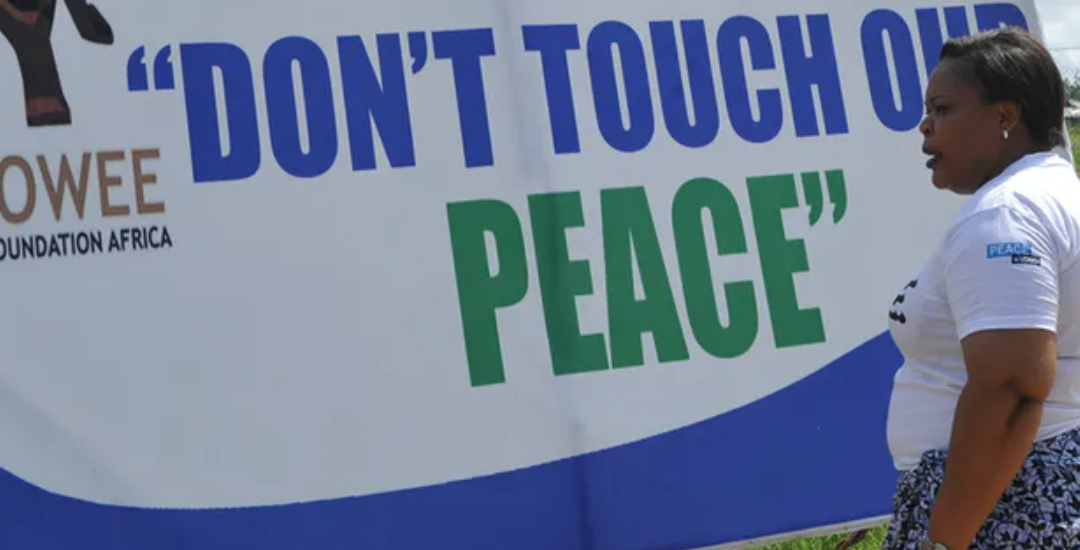
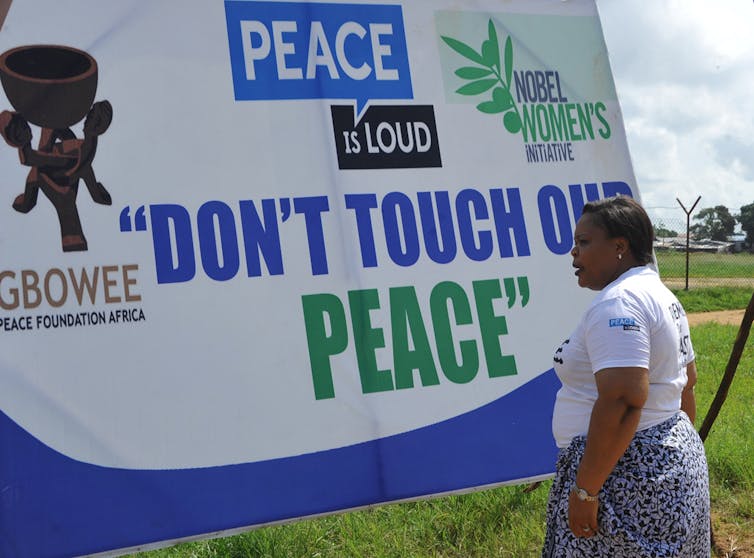

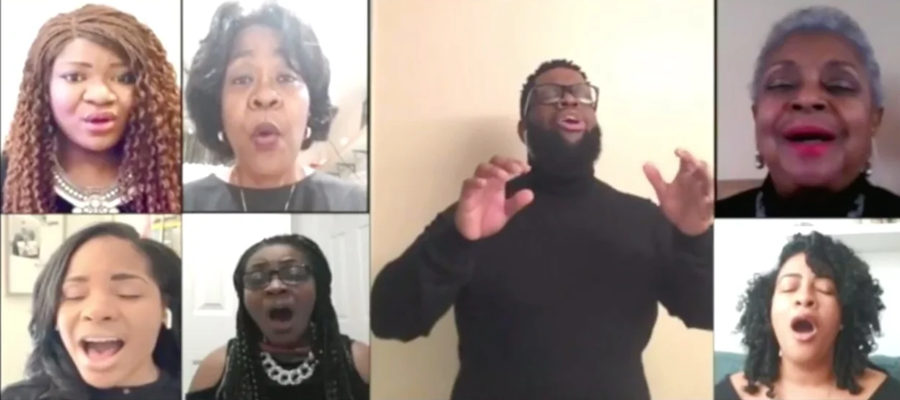
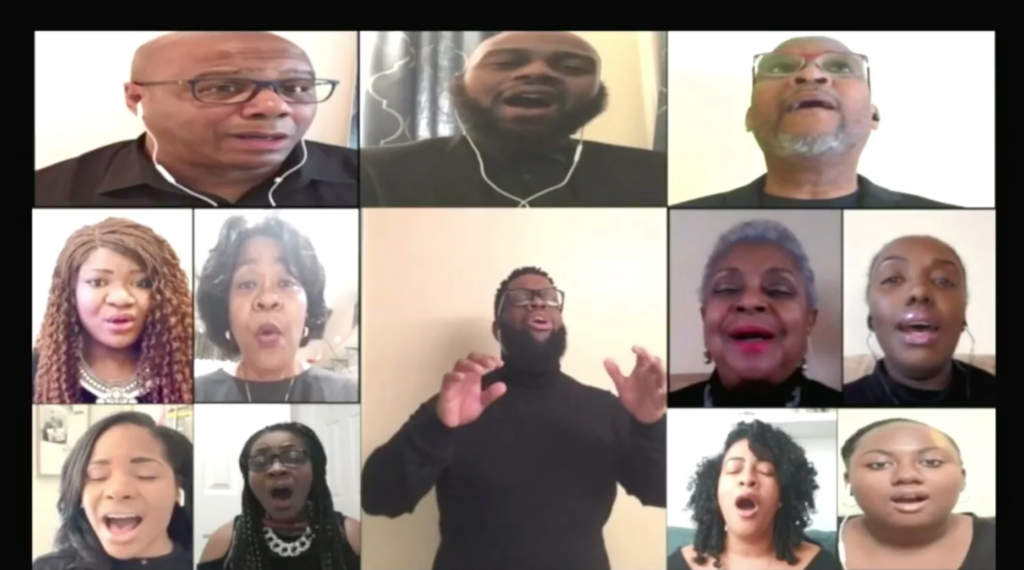

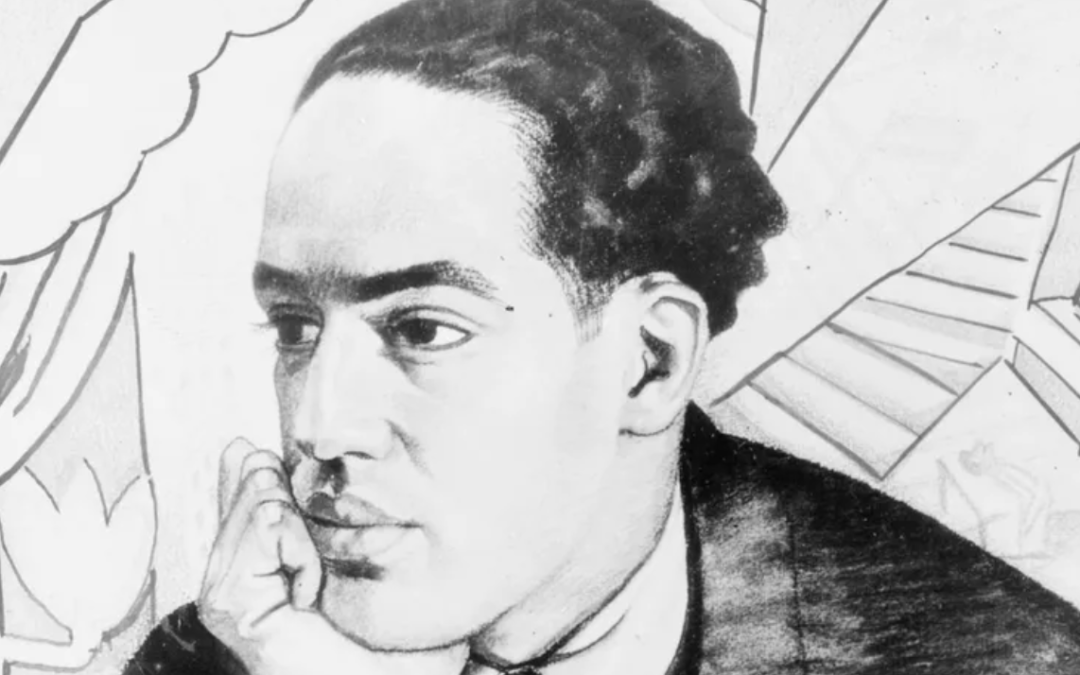
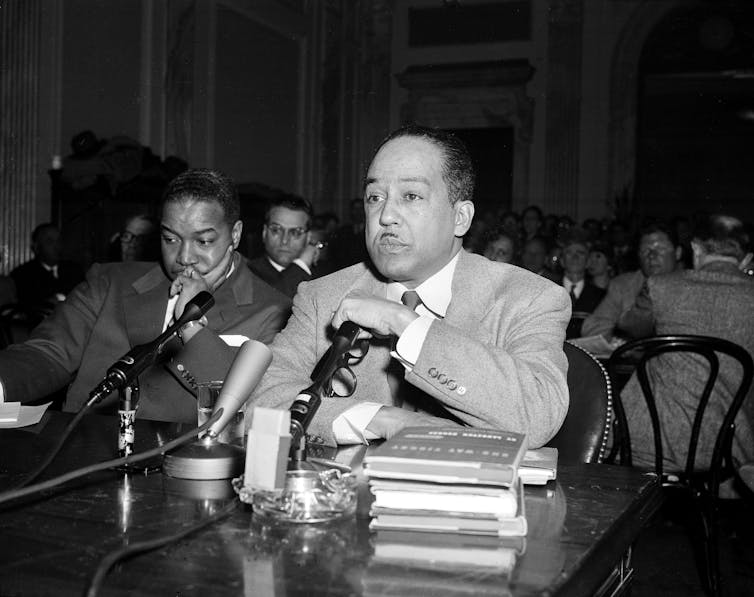
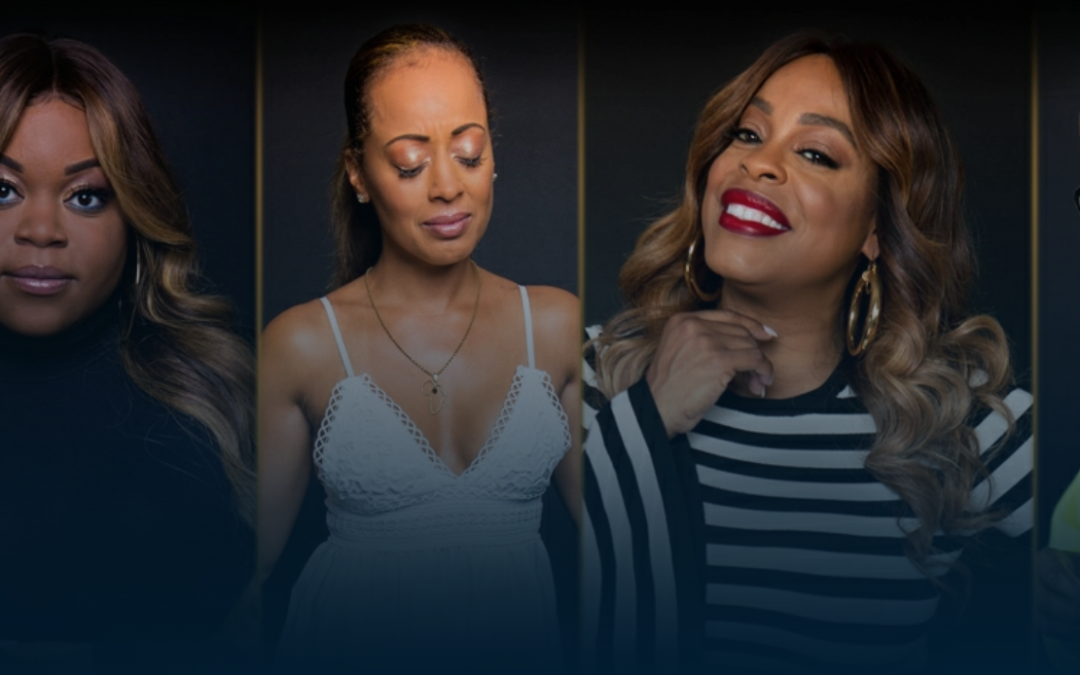
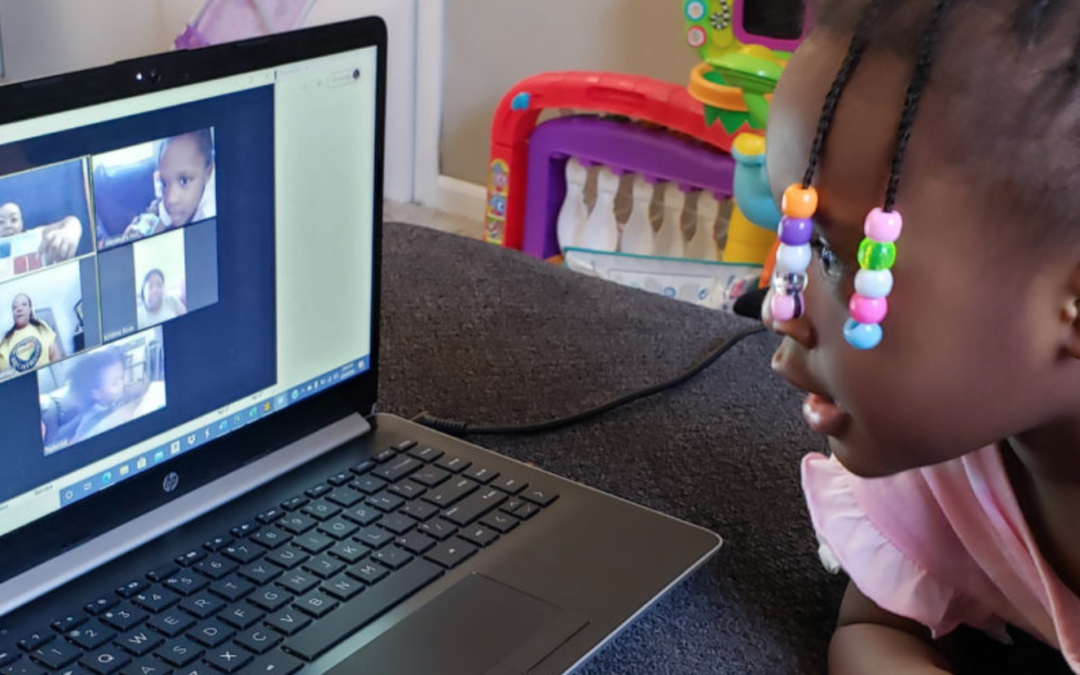
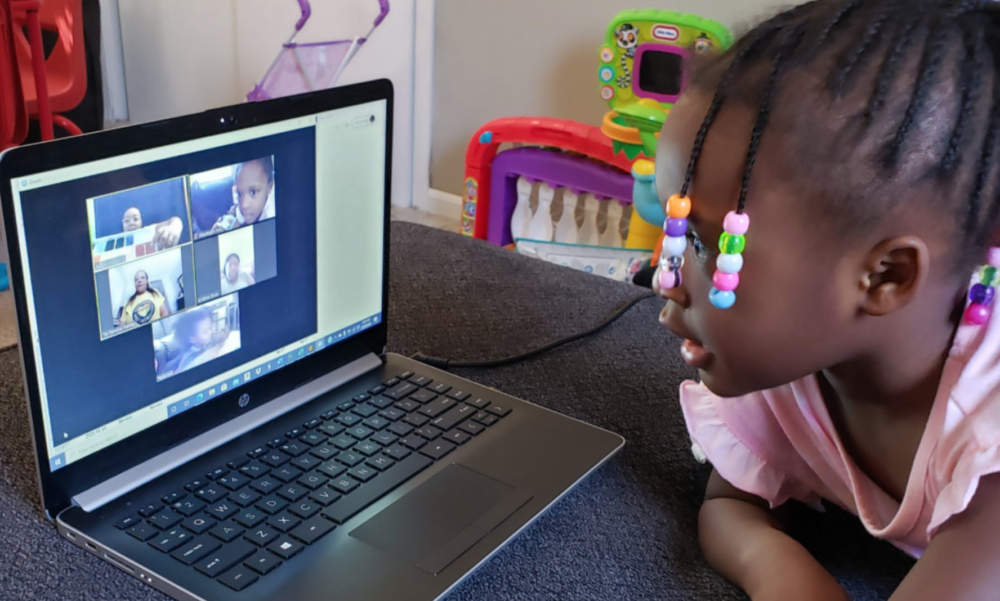

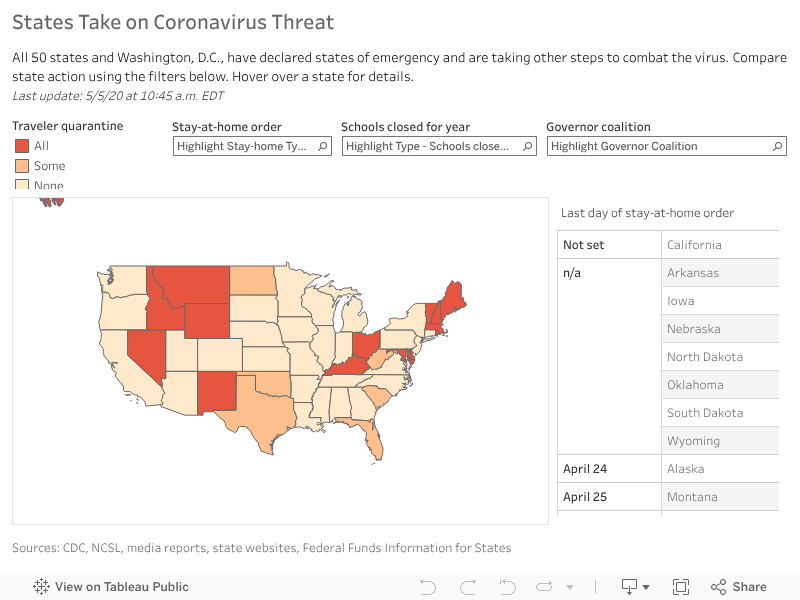
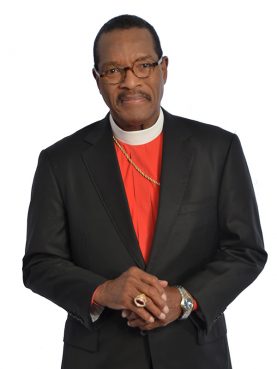
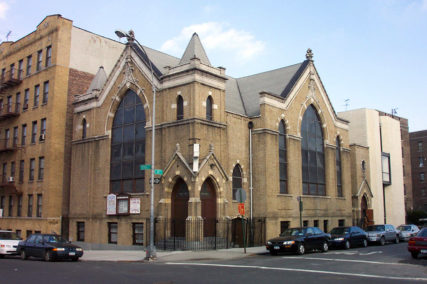

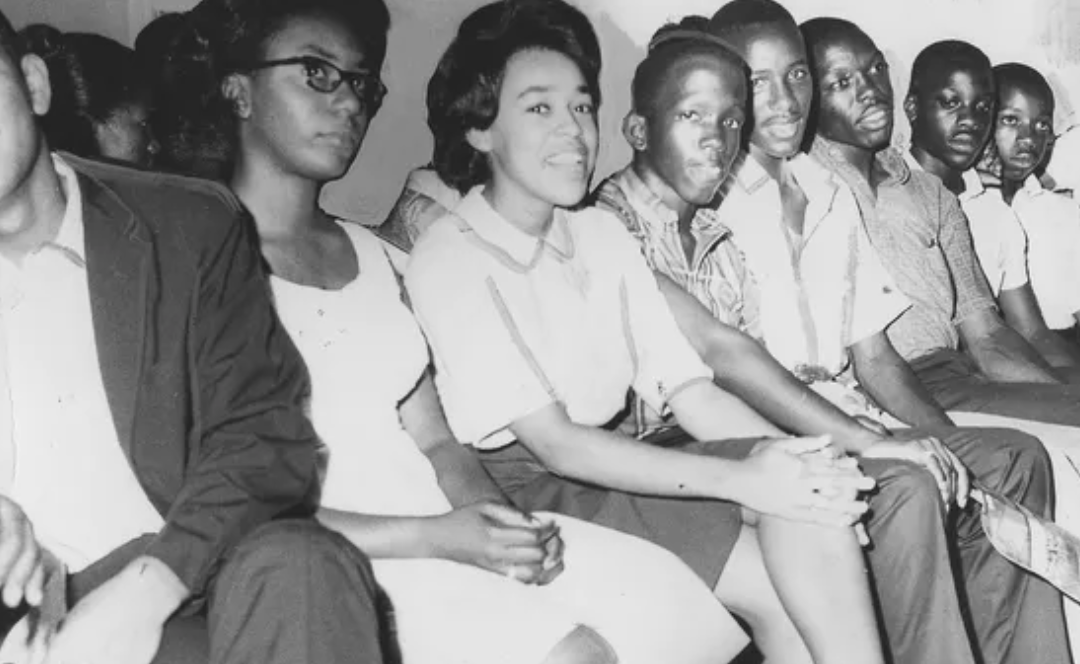
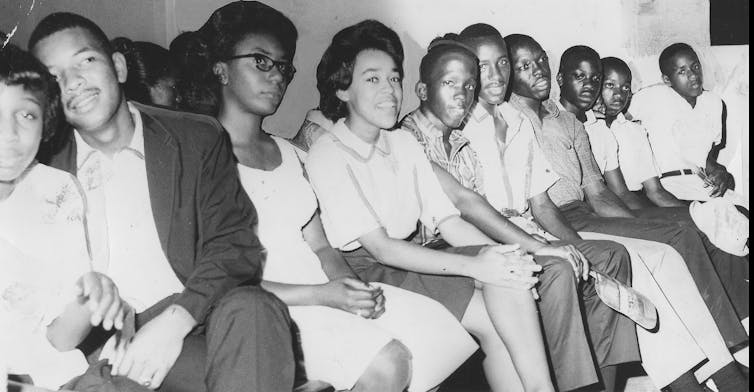





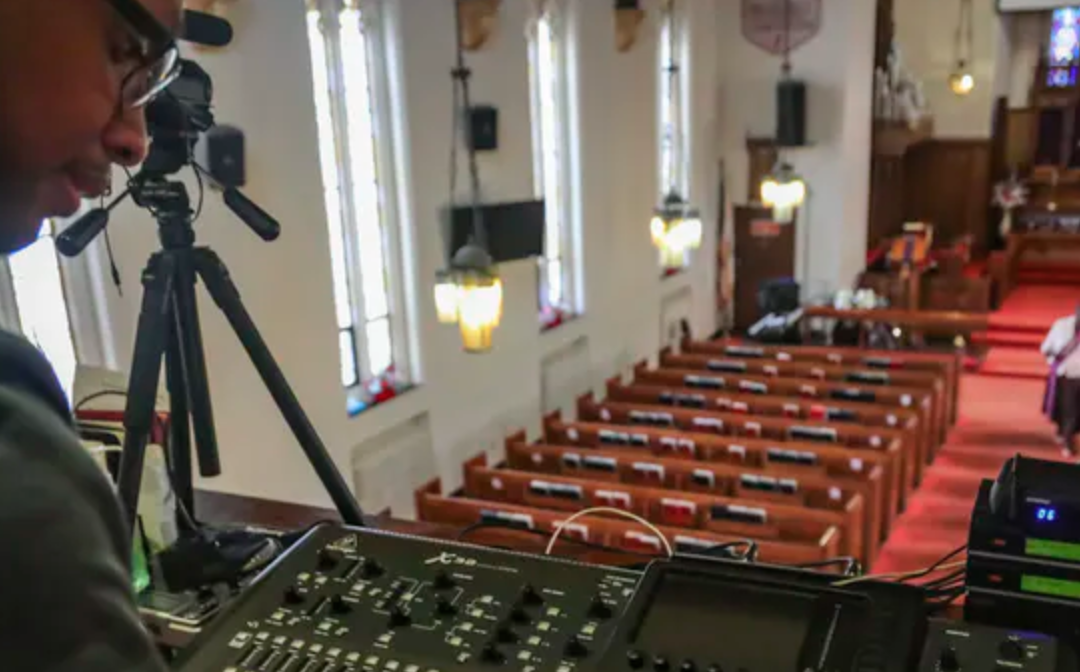
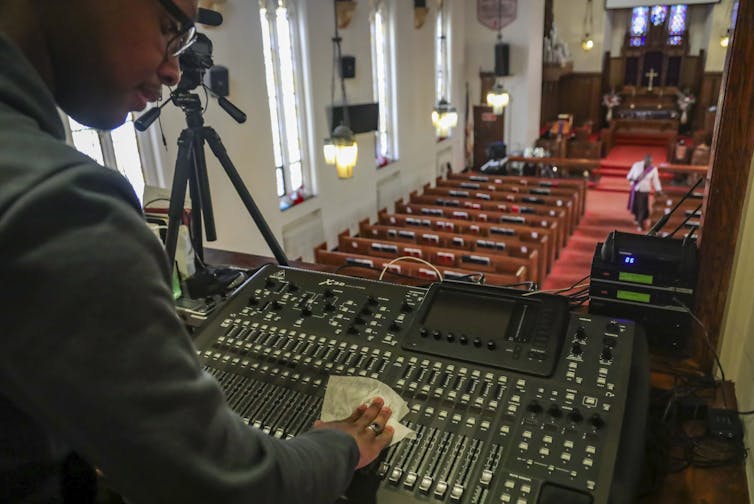
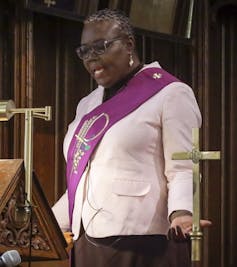
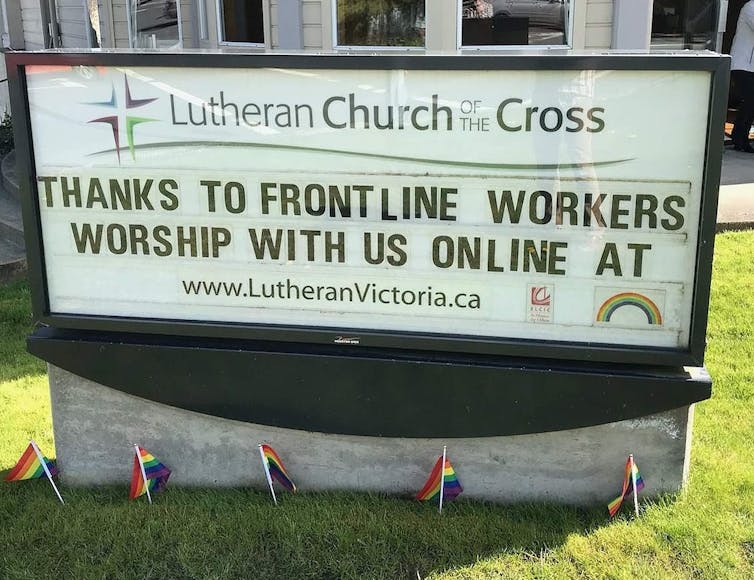
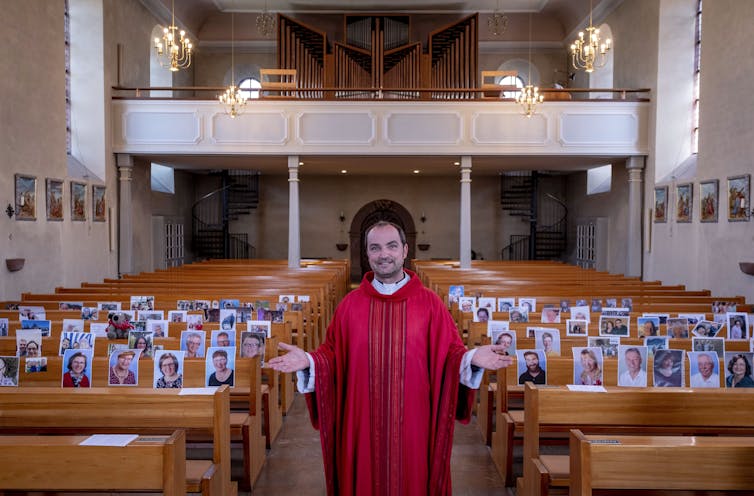



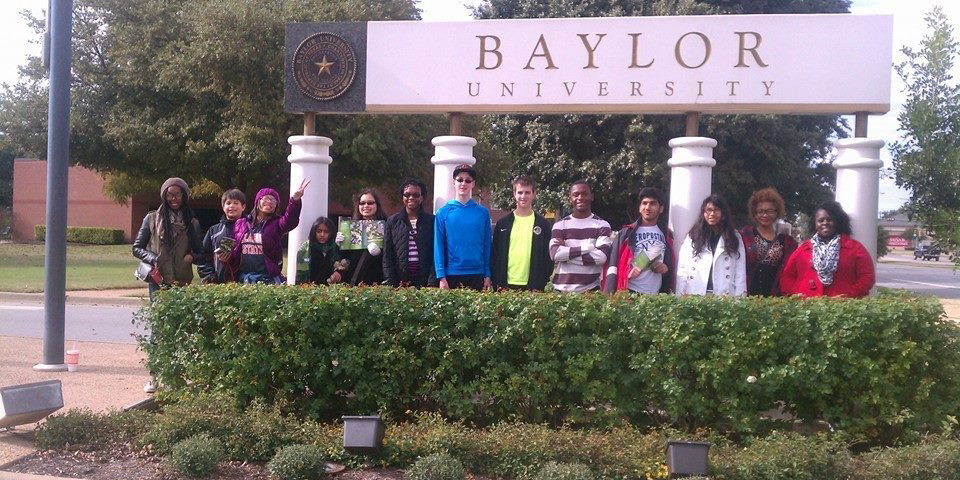
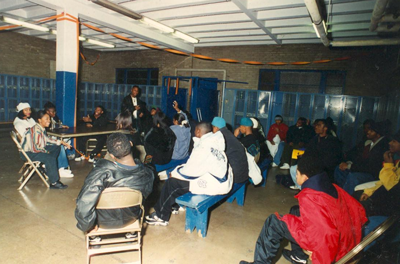
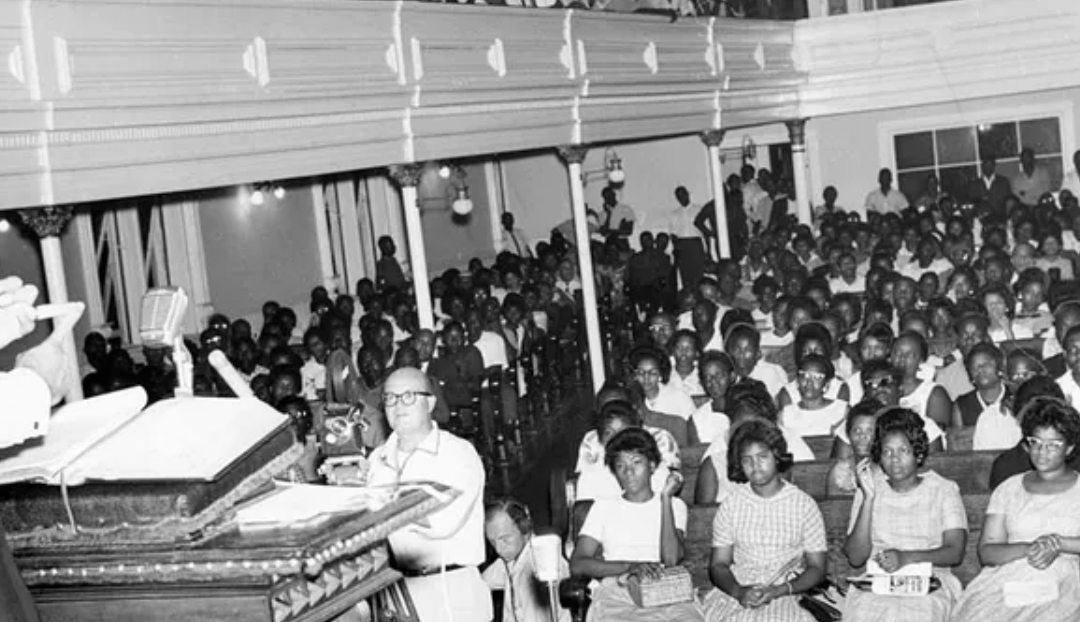
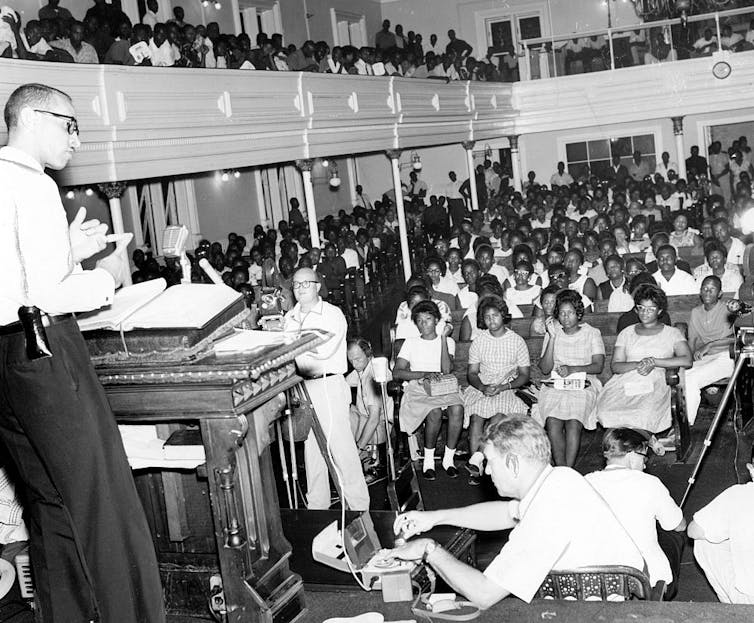
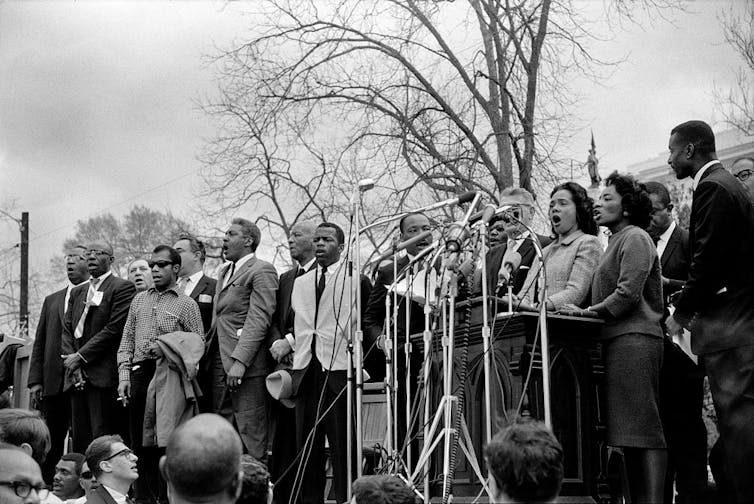
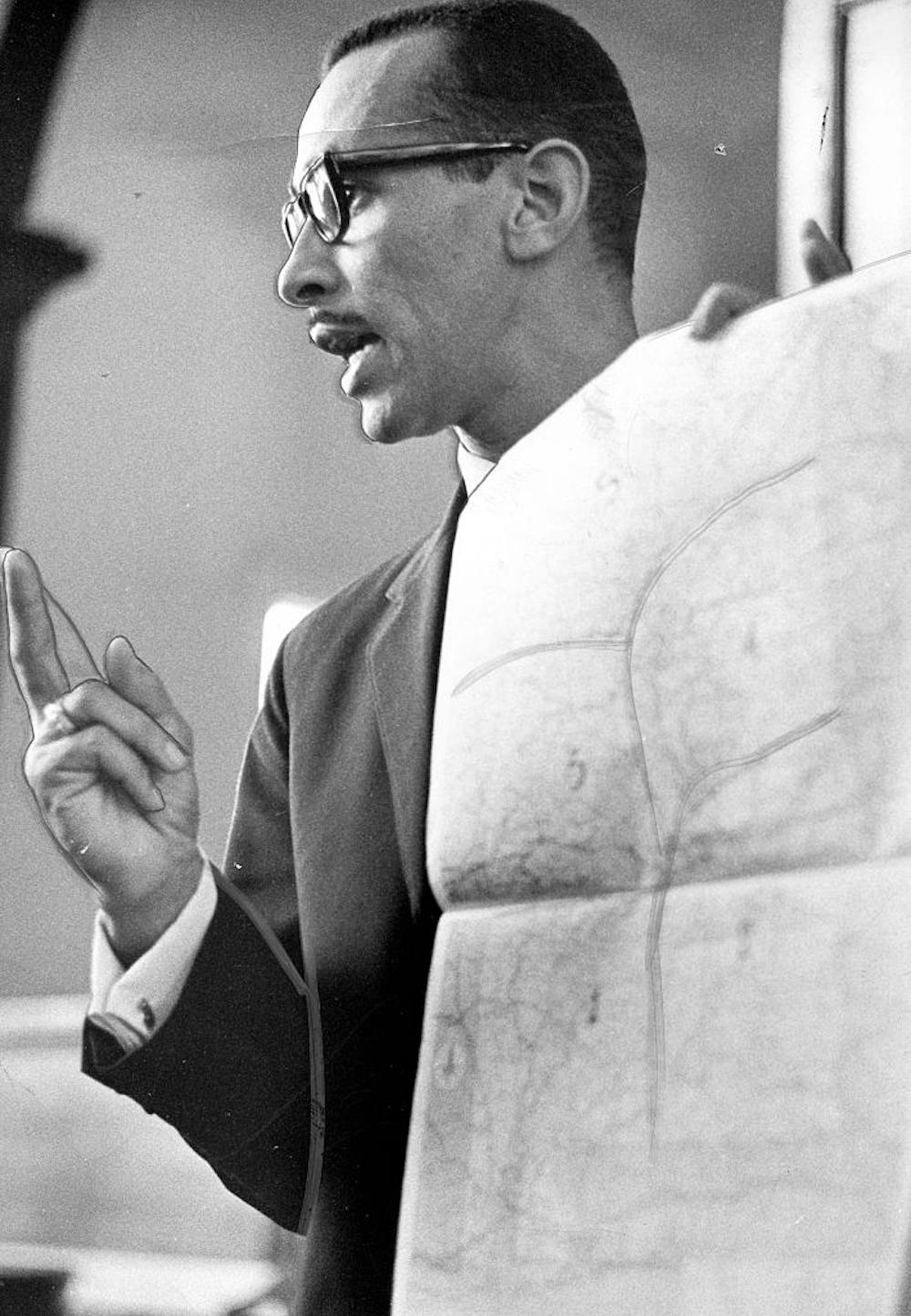

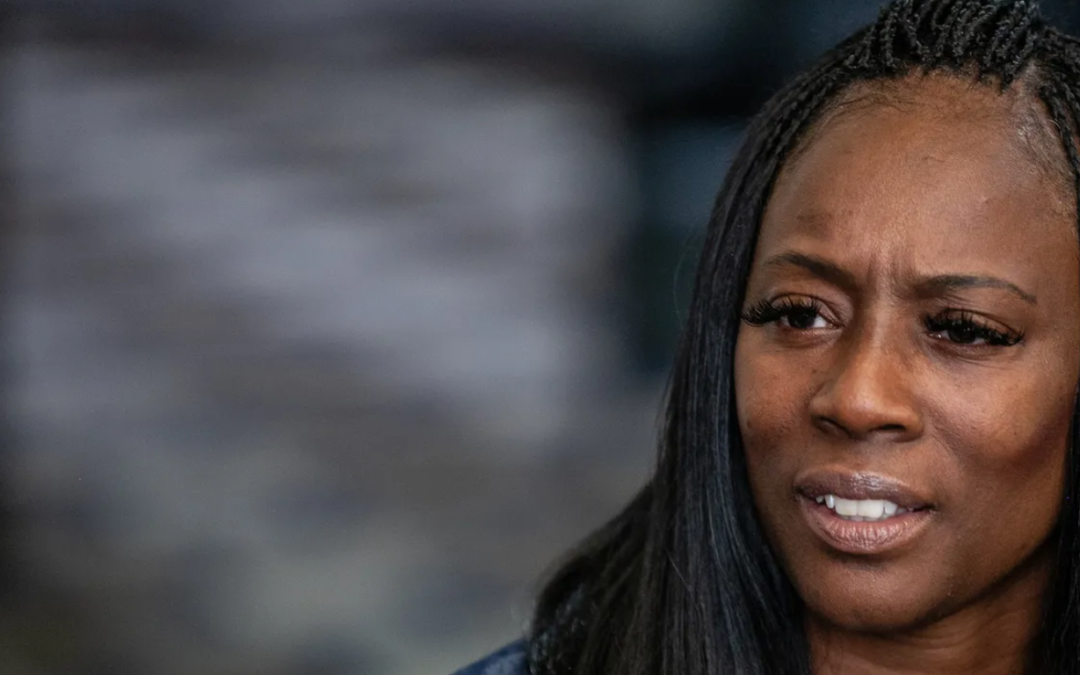





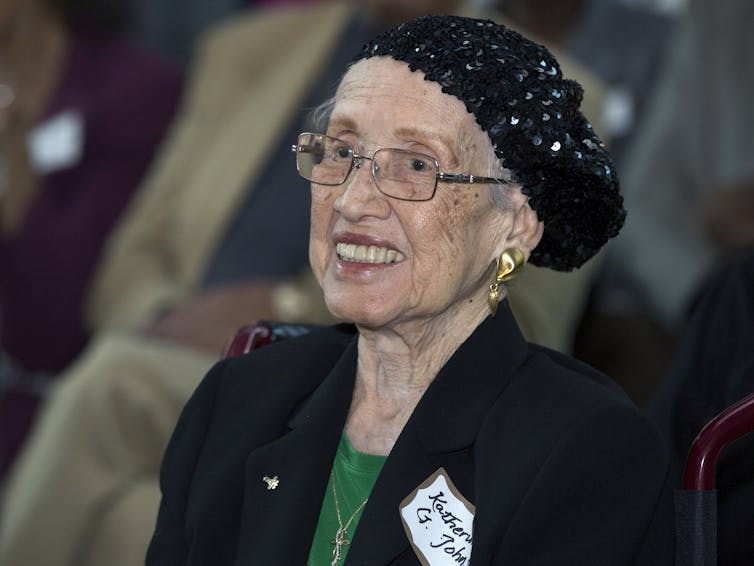




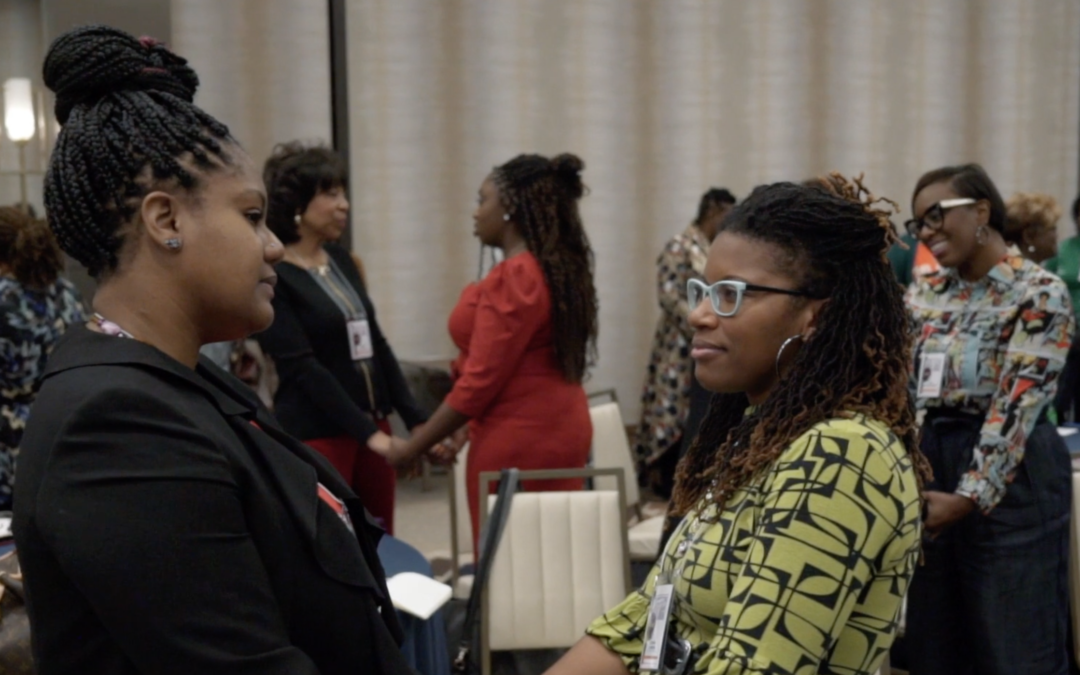



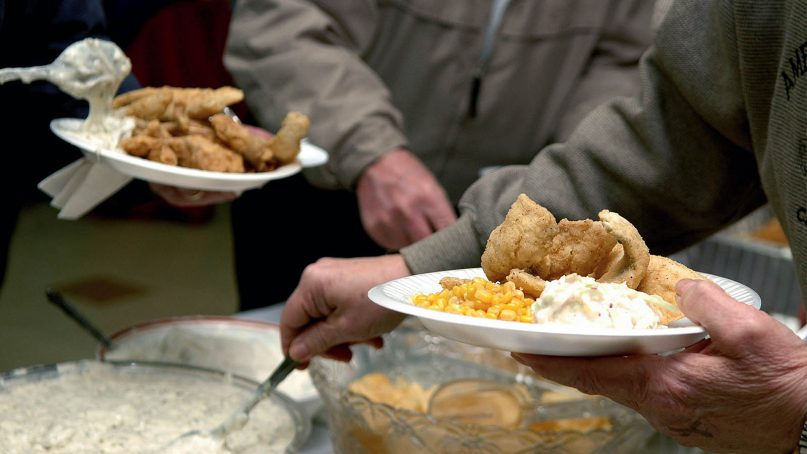
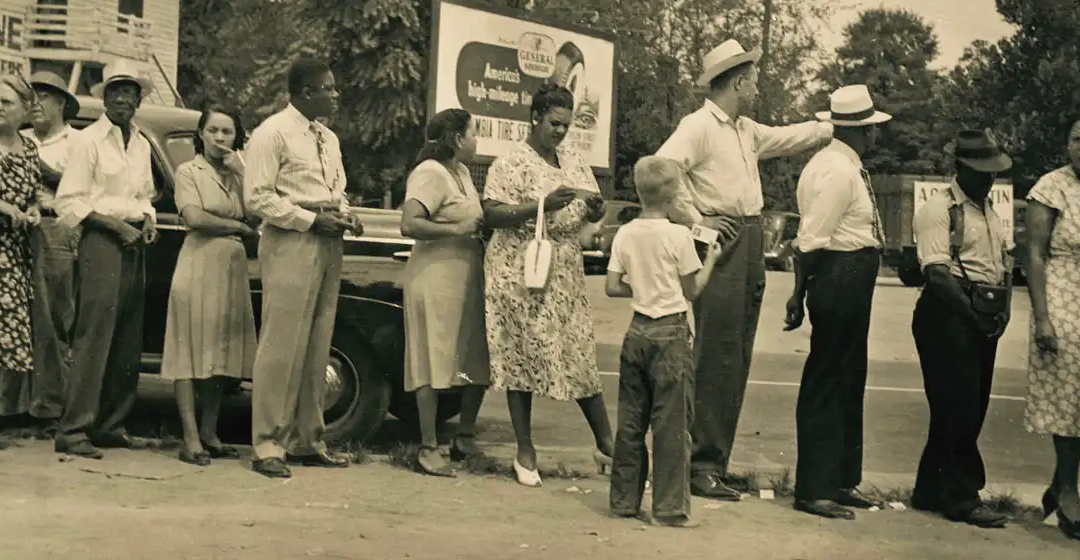
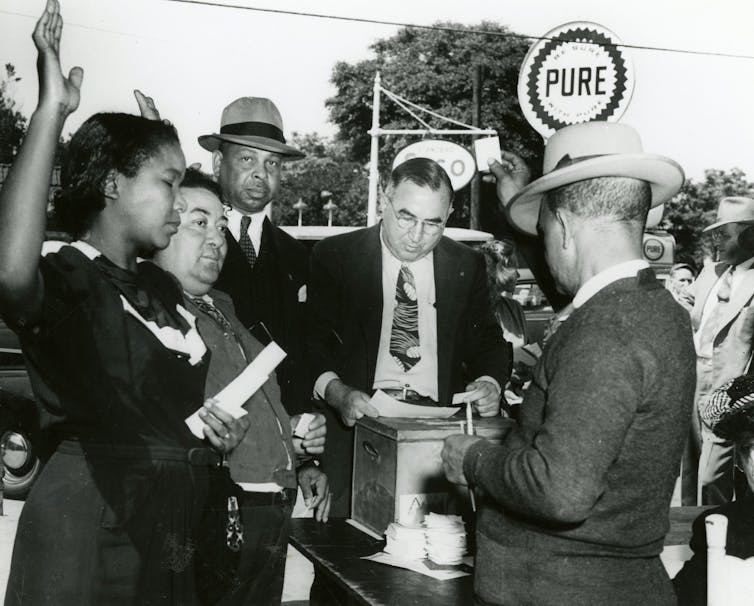


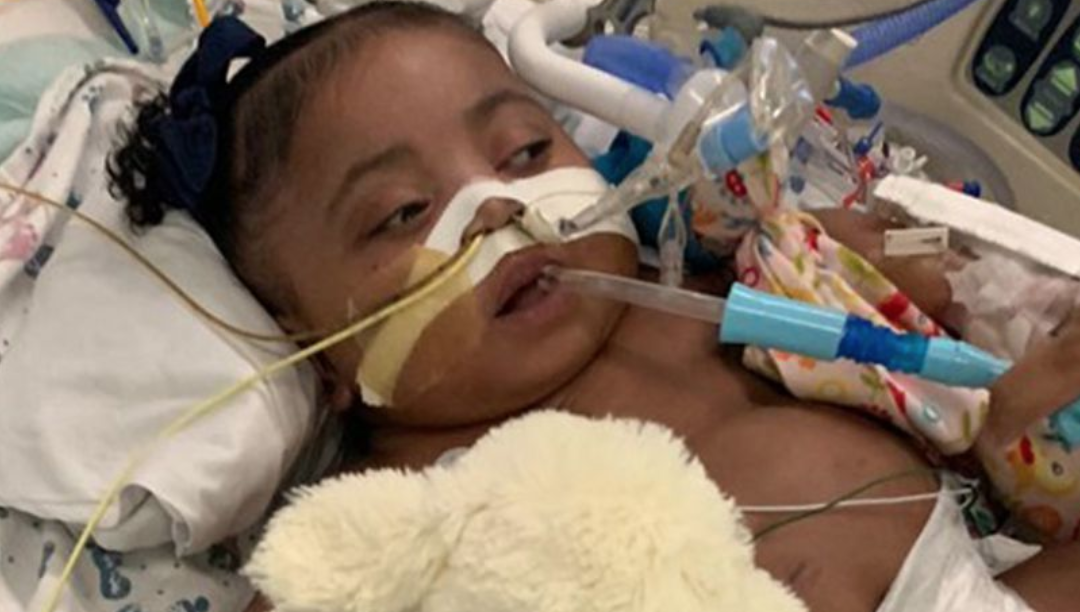
/https://static.texastribune.org/media/images/2015/08/03/_BDB5793TT_nhmM5Rw.jpg)



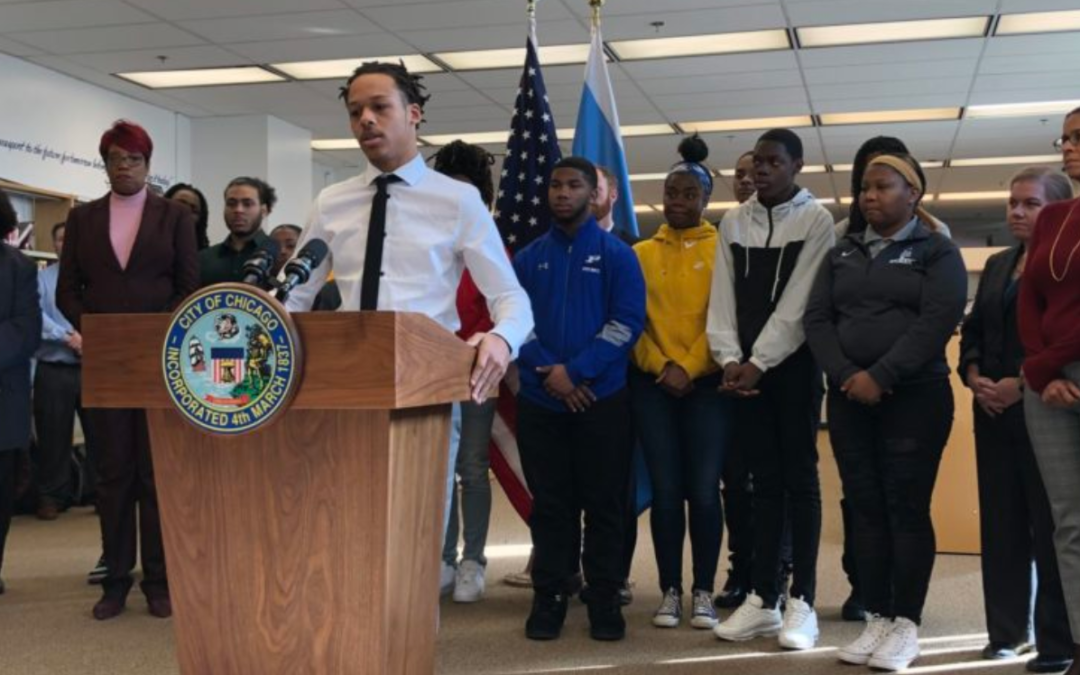
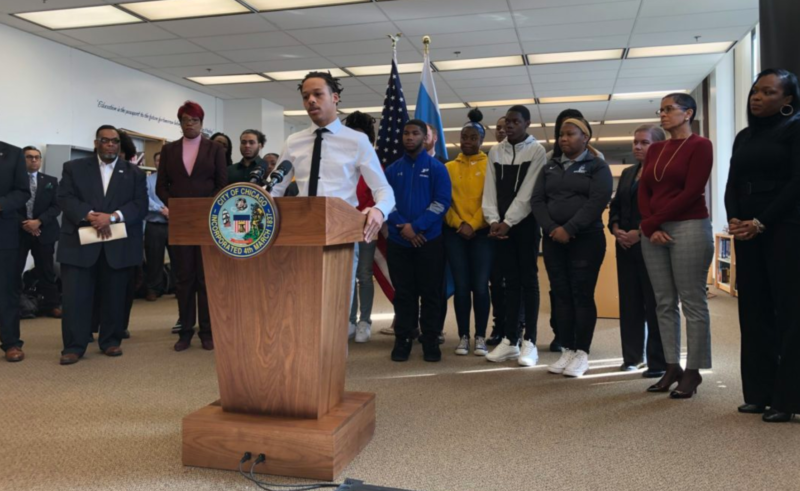


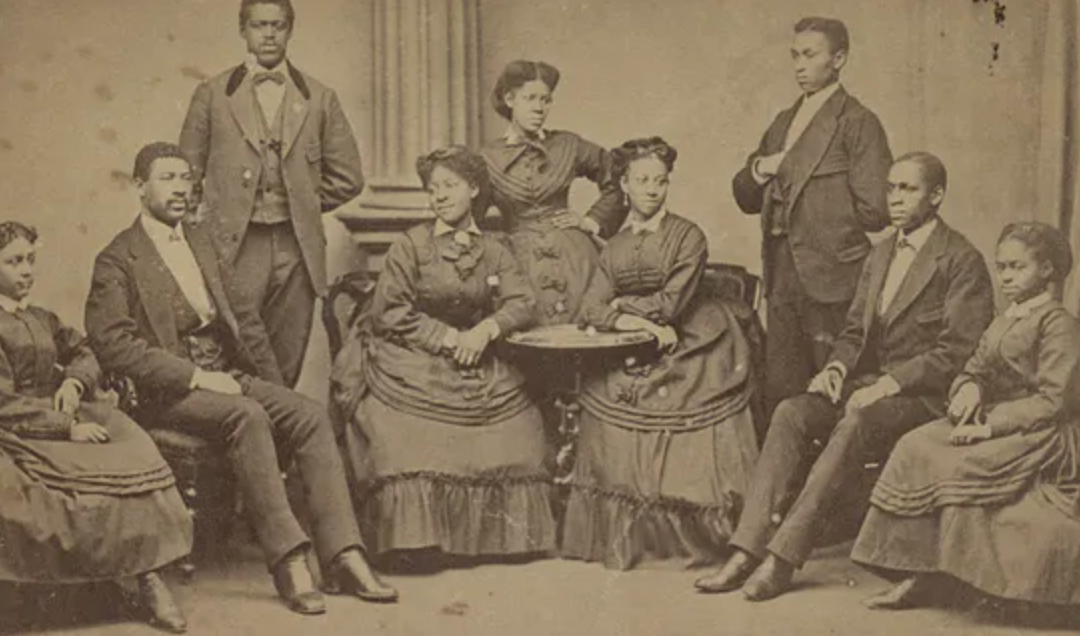
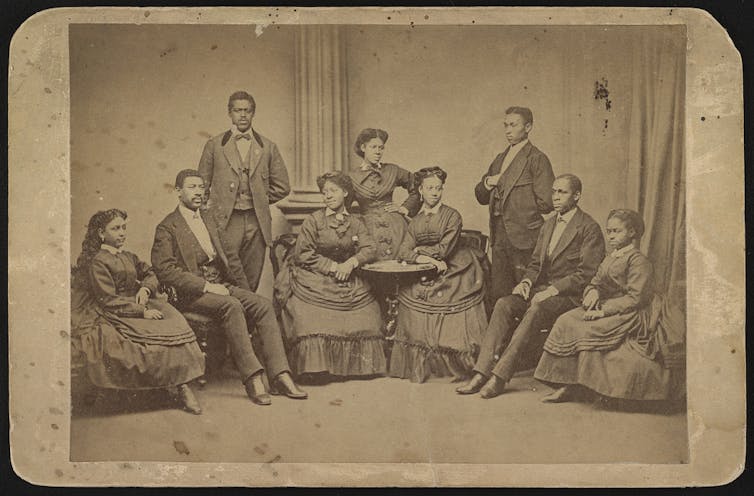

/https://static.texastribune.org/media/files/af0fff3494421fa5818ebb9f5b6bcf35/RoyceWest14_1999%20BD%20TT.jpg)
/https://static.texastribune.org/media/files/31b33e0ed1c134adce80dc0976adc715/RoyceWest13_1999%20BD%20TT.jpg)
/https://static.texastribune.org/media/files/9e549873441c436f7ac84b802131162c/RoyceWest06_1999%20BD%20TT.jpg)