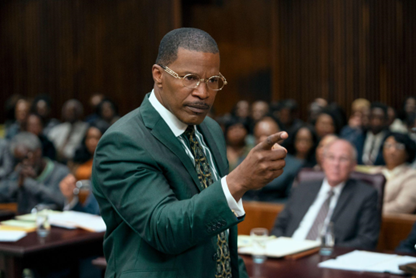
The Burial is a film inspired by the real life story of black Attorney Willie Gary known as “The Giant Killer” who takes the unexpected contract case of a white funeral home owner named Jeremiah O’Keefe in southern Mississippi. Mr. Gary is one of the most successful trial attorneys in American history who has won lawsuits against multibillion dollar corporations to protect and get justice for his clients. The inspiring story is filled with comedy and drama as what begins as a case about deal gone bad begins to expose corruption, injustice, and power that would change both men’s lives. Academy Award winner Jamie Foxx plays Willie Gary who alongside Academy Award winner Tommy Lee Jones and Jurnee Smollett deliver truly amazing performances. UrbanFaith sat down with Willie Gary, the man behind the legend to talk about the film and his hopes to inspire others. The full interview is above. The film is rated R for language, but it is a movie I will be fine watching with my kids. There is use of the n word in context which likely contributes to the rating, but this film is a cinematic take on important black history and American history. The film is in select theaters now and on Amazon Prime Video October 13!
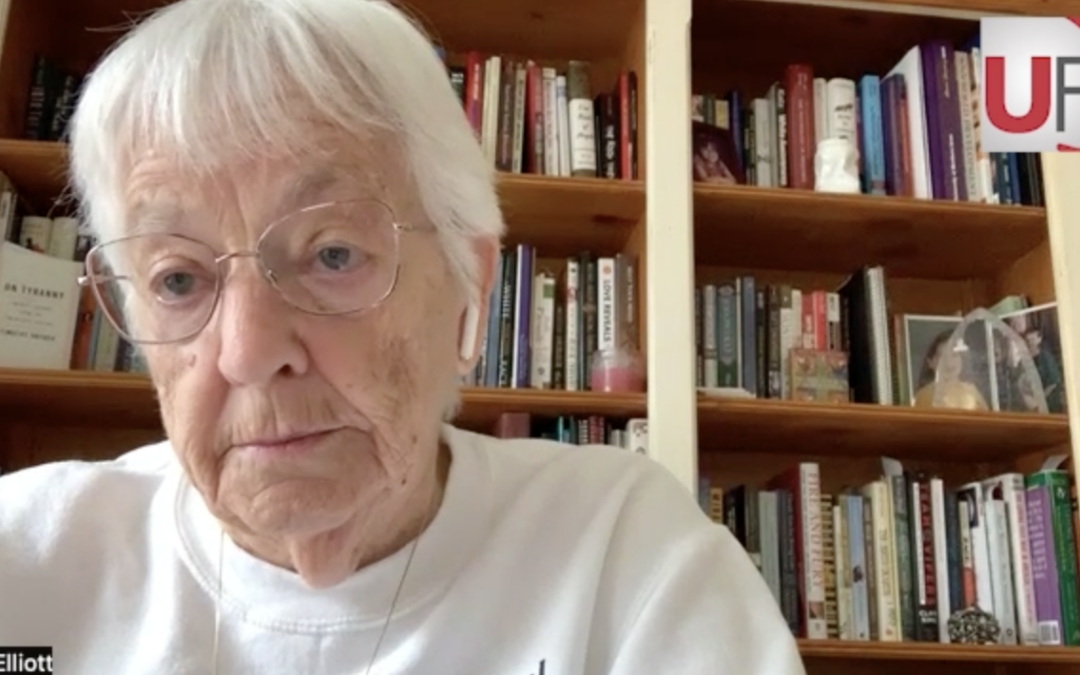
Jane Elliott is one of the most impactful educators and social activists in US history who performed experiments as a teacher that showed convincingly how racism impacted children. Her blue eyes vs. brown eyes exercise in 1968 after the assassination of Dr. Martin Luther King Jr. and subsequent world wide publicity of the exercise changed how society viewed race. Her work is a major basis for scholarship on race as a social construct. UrbanFaith contributor Maina Mwaura sat down with this hilarious and brilliant woman to discuss faith, the impact of her work, and her hopes and concerns for relationships between people from different backgrounds today. The interview above has been edited for length, clarity, and content. The views and opinions of Ms. Elliott are her own, not necessarily those of urbanfaith.
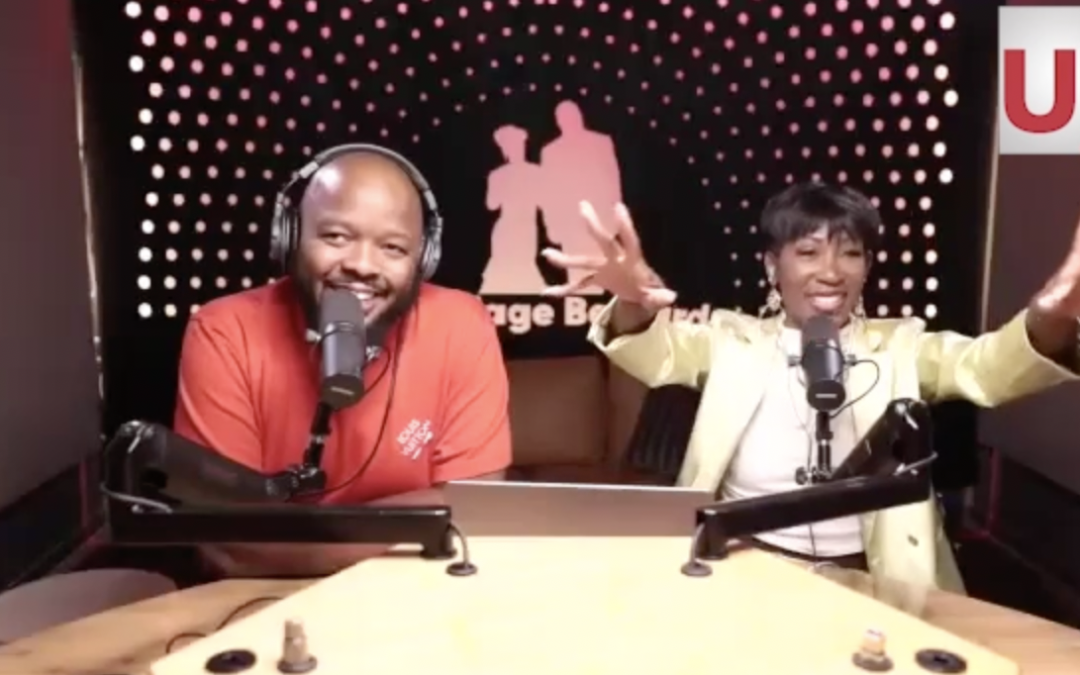
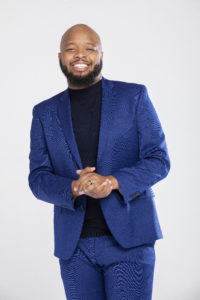
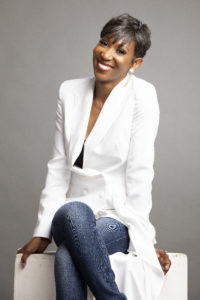
Marriage is one of the most important institutions in the lives of believers. Unfortunately it is rarely spoken about beyond the headlines of culture wars in the news or as the excuse some believers hide real conversations about sex behind. A lot of believers have a hard time keeping it real about how hard it is to be married. Kevin and Melissa Fredericks, aka KevOnStage and MrsKevOnStage, rarely hold back on keeping it real in conversations.
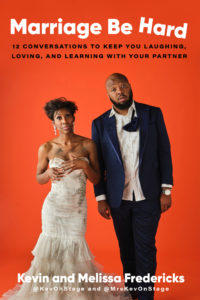
With over a million followers on social media (which don’t happen for church folks), they are some of the most busy and influential believers on the internet. Their authenticity and creativity have helped them connect with the “churchy” and unchurched alike. But like all married folks they have had challenges in life and in marriage. Their new bookMarriage Be Hard is a candid look at their marriage and the lessons they have learned along the way through reflection, therapy, The Love Hour podcast and real work. They hope to help couples everywhere to get past “just making it” in marriage to thriving through their insights.
UrbanFaith sat down with Kevin and Melissa to talk about their journey and their book. The full interview is above, more information on the book is below.
ABOUT MARRIAGE BE HARD
Discover the keys to upholding your vows while staying sane in this hilariously candid guide to relationships, from the husband-and-wife team of comedian Kevin Fredericks and influencer Melissa Fredericks
Growing up, Kevin and Melissa Fredericks were taught endless rules around dating, sex, and marriage, but not a lot about what actually makes a relationship work. When they first got married, they felt alone—like every other couple had perfect chemistry while the two of them struggled. There were conversations that they didn’t know they needed to have, fears that affected how they related to each other, and seasons of change that put their marriage to the test.
Part of their story reads like a Christian fairytale: high school sweethearts, married in college, never sowed any wild oats, with two sons and a thriving marriage. But there’s another side of their story: the night Melissa kicked Kevin out of her car after years of communication problems, the time early in their marriage when Kevin bordered on an emotional affair, the way they’ve used social media and podcasts to conduct a no-holds-barred conversation about forbidden topics like jealousy, divorce, and how to be Christian and sex positive. (Because, as Kevin writes, “Your hormones don’t care about your religious beliefs. Your hormones want you to subscribe to OnlyFans.”)
In Marriage Be Hard, the authors provide a hilarious and fresh master class on what it takes to build and maintain a lasting relationship. Drawing on interviews with experts and nearly two decades of marriage, they argue that• Compatibility is overrated. • Communication is about way more than simply talking. • Seeing divorce as an option can actually help your marriage. • There’s such a thing as healthy jealousy.Real marriage is not automatic. It ain’t no Tesla on the open road. Sometimes it’s a stick shift on a hill in the rain with no windshield wipers. But if you get comfortable visiting—and revisiting—the topics that matter, it can transform your bond with your partner and the life you’re building together.Written for those tired of unrealistic relationship books—and for anyone wondering if they’re the only ones breaking all the rules—Marriage Be Hard is a breath of fresh air and the manual you wish existed after you said “I do.”
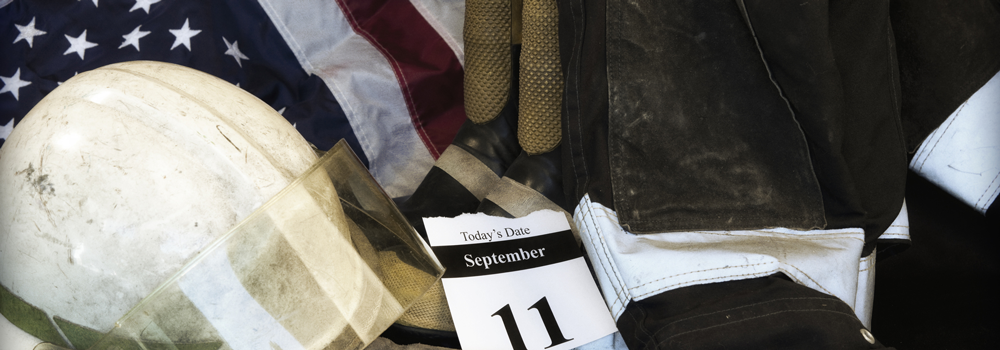
I was three months pregnant and working as a Web editor in New York City at iVillage.com when tragedy struck at the World Trade Center buildings. That particular morning, I had scheduled a prenatal appointment before going in to work. A mere few minutes after hearing my son’s heartbeat for the first time, a nurse burst into the room and said that a plane had crashed into the World Trade Center. The doctor and I were puzzled, but we figured it was some random accident by a confused pilot in a small private plane.
But after I left the doctor’s office, I realized what happened was no accident. When I first arrived at work, I learned that another plane had hit a second building. And these planes didn’t hit just any buildings — they made the World Trade Center buildings burn down in the most depressingly spectacular way. The entire staff was crowded around a small TV and quickly became very emotional. No one knew all the details, and my coworkers were telling fantastic stories, such as eight hijacked planes were circling all across the country. When I heard a plane hit the Pentagon, it became personal. My brother-in-law worked across from the Pentagon at the time. I couldn’t help it; the tears started to flow. The fear and sadness were overwhelming.
Fortunately for my coworkers and me, our company had a corporate apartment in the city. Most of us lived in Burroughs outside of Manhattan, and all the trains and busses were shut down. Around 15-20 of us squeezed into a one-bedroom apartment, but at least we had a place to go. That said, we still had to get there, which required a long, sad 17-block walk from upper Manhattan towards downtown and the direction of “Ground Zero,” which was the destroyed World Trade Center site’s former name. As we walked, we passed by several first responders, all covered in ash. Everything was covered in ash. Once in the apartment, we saw a hospital right outside the window. Several medical workers were clearly on high alert outside, waiting to take in survivors — but the slew of patients in need was far lower than expected. I called my husband. He never left Brooklyn, where we lived. He started work later than me and was standing on the train station platform waiting to board when he saw one of the buildings go down. A lady on the platform with him fainted.
The next day, I was so afraid to take in the air, fearful of its effect on my unborn son. It took me more than a year before I braved going down there, still afraid of what was in the air and how it might affect my breastmilk. It turns out that it was a smart move. We all know about the many 9/11 heroes who suffered from complications due to the poor air quality. When I was finally able to catch the train home, I saw flyers posted by loved ones desperately seeking information asking about missing people. The entire city was in mourning.
My son is now 19-years-old and has grown into a young man. I’ve made sure to tell him about that day and those who we lost. I know that I am Blessed. For so many people, that painful day stole their children, parents, and loved ones. I saw firsthand the devastation and the deep wound inside the hearts of New Yorkers. I realize that 9/11 affected all Americans differently, but even amidst this ongoing and insufferable pandemic, we owe the victims and their families a moment of recognition and remembrance. I’m heartened by the 9/11 Memorial and Museum. Tomorrow is not promised. We must #NeverForget.
As I’msitting in my little home office, it can be a challenge to understand that the world is much bigger than where I live in Kennesaw, Georgia. Or even the country that I’m proud to call home America, the same country that my father Moses Mwaura migrated to. Yet God calls for us to not only recognize that we’re part of a world representing over seven billion people, but at the same time to love the world. In fact, I would even venture to say that Isaiah 37:16 makes it clear that God made and sees the entire world, which is unlike me. God doesn’t see just one part of the world which is why as Christ Followers we should be praying for our world daily.
Recently on a rare Thursday Evening when many people were done working for the day, I had the privilege of spending a few minutes with United States Ambassador to the United Nations, Linda Thomas Greenfield. During my amazing time with her I learned so much about our world and the reasons that we should see ourselves not only as citizens of America but worldwide citizens. We have been placed here by a God who made and oversees the world. He desires for us to do our part, which in part is praying for the world around us.
During my time with Ambassador Greenfield, she stressed that although she loves the world that the one part of the world that she is concerned about is Haiti. As a man who has lived in Florida, I understand her sentiments. Haiti is one of the poorest countries in the world and the rate of famine that is plaguing that part of the world is alarming. Although the Haitian people are a resourceful and steadfast people they have been through a lot. “Every two to three years, a national disaster seems to hit Haiti which makes it hard for them to bounce back,” according to Ambassador Greenfield. I can still remember that two years ago their President was assassinated while he slept, and it sent the country into turmoil. As citizens of the world, if we’re to make a difference we should listen to the prompting of the spirit. We should find our part of the world that God may want us to get involved with, pray for it, and even go if we can. If we are to do our part in loving the world we must get out of our personal boxes and get involved.
“We prevented famine in Africa by providing $500 million dollars to confront famine.” In hearing Ambassador Greenfield say this, it brought tears to my eyes. I think at times in our world we can get consumed in thinking that our tax dollars aren’t at work. But they are in cases like these. Luke 4:23 is clear that to much is given much is required. Although we have our problems in America, we have been given a lot. Which is why we should be missional as believers. The Great Commission is clear that we have been called to go into all the world which has never been easier than it is today with modern technology. In the world that we live in today, with just a click of a button, we can have conversations with people that our ancestors would have never dreamed of having. Just by having a conversation with someone in another part of the world we could be making the connection of a lifetime and maybe even bringing peace. I believe that great connections always bring peace. “The United Nations has prevented World Wars and is the only institution that we have worldwide.” This may explain why Ambassador Greenfield loves her job and seemed to be upbeat even after most of us have stopped working for the day. “I’m on a mission”, which for ambassador Greenfield began growing up in a small southern town in Louisiana. During our conversation she was on her way to the airport heading home from a trip to New Orleans. “I loved being back in my home state and the hospitality that they show me…I hope I’m making them proud.”
As citizens of the world my prayer is that when people see us as American Citizens and followers of Jesus, that we are making them proud. We have been given a mandate by God to not only go into all the world, but also tackle issues that the world may be ignoring like climate change. The Ambassador is clear that climate change issues are not only affecting the us globally but also right here in America. To truly see the needs that are around us, we must people that love and recognize the needs around us. The United Nations is in New York City and is known as “The People’s House.” Ambassador Greenfield says, “It’s the peoples house, so anybody can come”. I will be taking her up on that offer because I believe that we are not only called to love our world, but we are also called to participate and engage with the world as world citizens. God doesn’t just love America, but He loves the entire world and there is so much work to be done. It is going to take all of us to pull off the task that He has called for us to do: bringing heaven to earth so that all may experience the kingdom of God.
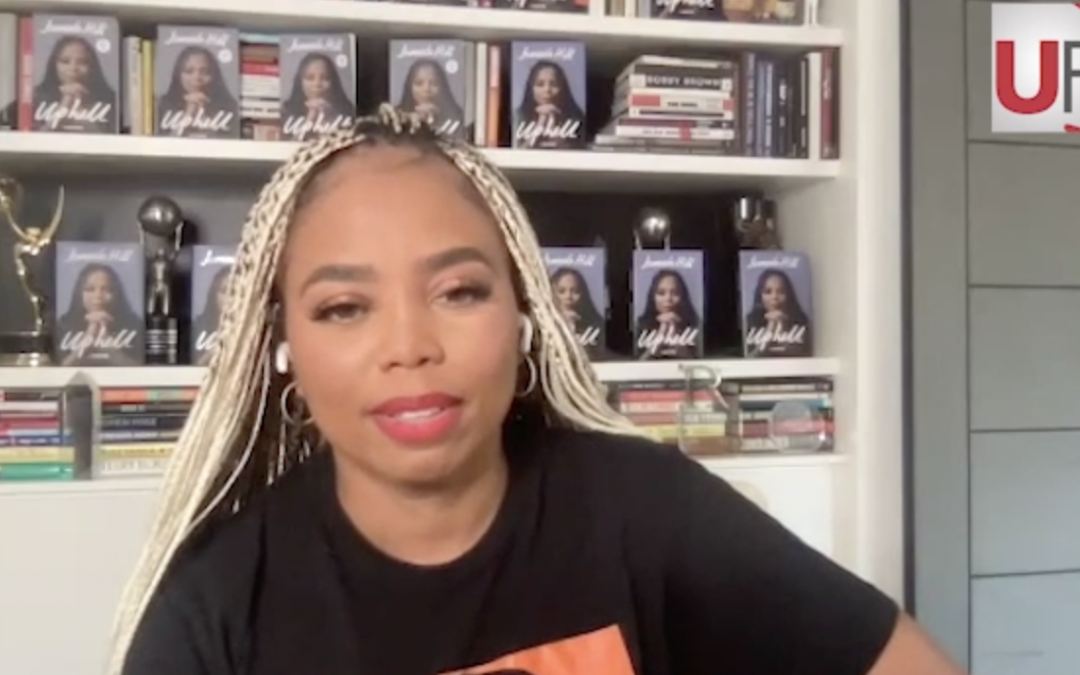
Jemele Hill became known as a popular journalist in sports, but she is now one of the clearest voices in the country for social justice. She is a woman of faith and at the same time a fierce critic who asks questions and fights for the marginalized.
UrbanFaith contributor Maina Mwaura sat down with Jemele Hill to talk about her new memoir Uphill where she tells her own story with the depth and clarity she has used to tell other people’s stories for decades. The full interview is above, more about the book is below.
Jemele Hill’s world came crashing down when she called President Trump a “white supremacist”; the White House wanted her fired from ESPN, and she was deluged with death threats. But Hill had faced tougher adversaries growing up in Detroit than a tweeting president. Beneath the exterior of one of the most recognizable journalists in America was a need—a calling—to break her family’s cycle of intergenerational trauma.
Born in the middle of a lively routine Friday night Monopoly game to a teen mother and a heroin-addicted father, Hill constantly adjusted to the harsh realities of not only her own childhood but the inherited generational pain of her mother and grandmother. Her escape was writing.
Hill’s mother was less than impressed with the brassy and bold free expression of her diary, but Hill never stopped discovering and amplifying her voice. Through hard work and a constant willingness to learn, Hill rose from newspaper reporter to columnist to new heights as the coanchor for ESPN’s revered SportsCenter. Soon, she earned respect and support for her fearless opinions and unshakable confidence, as well as a reputation as a trusted journalist who speaks her mind with truth and conviction.
In Jemele Hill’s journey Uphill, she shares the whole story of her work, the women of her family, and her complicated relationship with God in an unapologetic, character-rich, and eloquent memoir

 As I’msitting in my little home office, it can be a challenge to understand that the world is much bigger than where I live in Kennesaw, Georgia. Or even the country that I’m proud to call home America, the same country that my father Moses Mwaura migrated to. Yet God calls for us to not only recognize that we’re part of a world representing over seven billion people, but at the same time to love the world. In fact, I would even venture to say that Isaiah 37:16 makes it clear that God made and sees the entire world, which is unlike me. God doesn’t see just one part of the world which is why as Christ Followers we should be praying for our world daily.
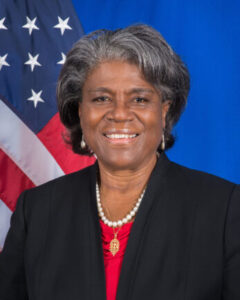 Recently on a rare Thursday Evening when many people were done working for the day, I had the privilege of spending a few minutes with United States Ambassador to the United Nations, Linda Thomas Greenfield. During my amazing time with her I learned so much about our world and the reasons that we should see ourselves not only as citizens of America but worldwide citizens. We have been placed here by a God who made and oversees the world. He desires for us to do our part, which in part is praying for the world around us.
 As citizens of the world my prayer is that when people see us as American Citizens and followers of Jesus, that we are making them proud. We have been given a mandate by God to not only go into all the world, but also tackle issues that the world may be ignoring like climate change. The Ambassador is clear that climate change issues are not only affecting the us globally but also right here in America. To truly see the needs that are around us, we must people that love and recognize the needs around us. The United Nations is in New York City and is known as “The People’s House.” Ambassador Greenfield says, “It’s the peoples house, so anybody can come”. I will be taking her up on that offer because I believe that we are not only called to love our world, but we are also called to participate and engage with the world as world citizens. God doesn’t just love America, but He loves the entire world and there is so much work to be done. It is going to take all of us to pull off the task that He has called for us to do: bringing heaven to earth so that all may experience the kingdom of God.